Key Highlights
- Strike Duration:Truckers have initiated an indefinite strike on Route 5 since Tuesday.
- Diesel Price Surge:Diesel prices have increased by 74% since March, prompting the protests.
- Government Response:Negotiations are ongoing, but no resolution has been reached yet.
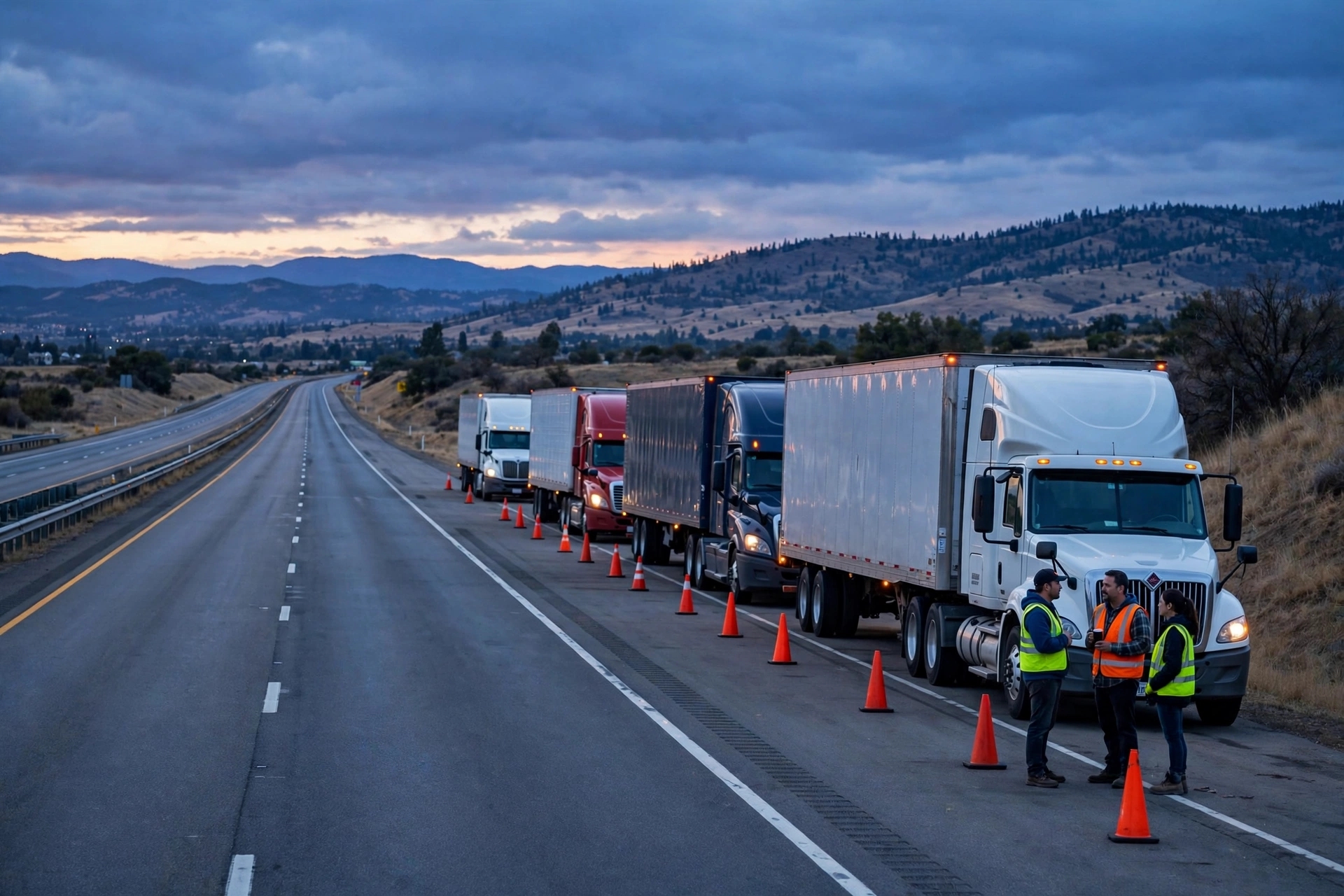
In Chile, a vital artery of transportation has come to a standstill as truckers and bus drivers protest along Route 5, the main highway stretching from the north to the south of the country. This strike, which began on Tuesday and is currently indefinite, has halted traffic and disrupted supply chains, raising concerns about the broader economic implications. The protestors are demanding relief from soaring diesel prices, which have surged by 74% since March, largely attributed to the ongoing war in Iran.
The situation escalated quickly as drivers gathered at various points along Route 5, voicing their frustrations over the rising costs that threaten the viability of their businesses. Industry representatives have warned that many transport companies operate on thin margins, making the current price hikes unsustainable. A meeting between government officials and protest leaders on Tuesday afternoon ended without a resolution, prompting further discussions scheduled for Wednesday with Interior Minister Claudio Alvarado.
Claudio Elguezabal, a truck driver participating in the protest near Santiago, expressed the dire situation many drivers face. "Right now I'm not making any profit," he stated, highlighting the financial strain that has forced some drivers to dip into their own pockets just to fulfill client obligations. Similarly, Juan Cornejo, president of the Association of Intercity Bus Owners, emphasized the severity of the crisis, stating, "We've reached our limit. We've spent more than a month working with negative numbers."
The political backdrop adds another layer of complexity to the protests. President José Antonio Kast, who took office in March, recently altered a state mechanism that was designed to mitigate sharp price increases, effectively passing the burden onto consumers. In response to the mounting pressure, Kast announced a bill aimed at controlling diesel and gasoline prices for a period of 90 days. However, Cornejo dismissed this measure as insufficient, calling it "a joke" and demanding more substantial reforms. The government has urged for dialogue but has also warned that highways must eventually be cleared to restore normalcy.
Notably, the strike does not have unanimous support within the trucking sector. The two largest trucking organizations in Chile, the National Confederation of Truck Owners and the National Confederation of Cargo Transport, have distanced themselves from the protests, indicating that the action is primarily organized by the Fuerza del Norte trade union and the No+TAG civic movement. This division within the industry highlights the complexity of the situation, as the protests, while impactful, do not represent the entire sector.
The repercussions of the strike are already being felt by the general public. Traffic congestion into Santiago has worsened, and routes leading to the coast are operating at significantly reduced capacity. Additionally, inflation in Chile has reached its highest level in 18 months, with the consumer price index rising by 0.5% in October, resulting in an annual variation of 4.5%. The rising fuel prices are not merely an isolated issue; they are part of a broader economic landscape that is beginning to show signs of strain.
As negotiations continue at the presidential palace of La Moneda, union representatives are set to press their case for relief. The outcome of these discussions remains uncertain, but it is clear that the highways of Chile have become a battleground for a larger debate about the economic consequences of external conflicts and domestic policy decisions. The truckers have made it clear that they seek a change in the current situation, and whether their demands will be met remains to be seen.
AI Image Disclaimer: The images accompanying this article are AI-generated and do not depict the actual protests or individuals involved.
Published by Banx Network. This article is part of the Banx decentralized media programme, powered by the BXE token on the XRP Ledger.