In the early days of January, as global markets digested dramatic news from Caracas and Washington, Chevron’s shares found themselves bathed in bullish light — much like oil glinting on the horizon of a long‑awaited sunrise. The market, ever quick to price future promise, appeared to anoint Chevron as the big winner in the unfolding story of Venezuela’s vast petroleum riches. Investors piled into energy stocks after geopolitical shocks shifted expectations about access to the country’s colossal reserves. Yet beneath this optimism lies a longer, more uncertain path — one marked by decaying infrastructure, political complexity, and hard economics that could keep any real payoff years away.
For decades, Venezuela has stood as a paradox in global energy markets: endowed with the largest proven oil reserves in the world, yet unable to fully translate that wealth into sustained output and export capacity. Under heavy political turbulence and economic mismanagement, production collapsed from levels above 3.5 million barrels per day in the late 20th century to a fraction of that today. Chevron’s unique position — as the only major U.S. oil company still actively producing in Venezuela — gives it a rare foothold. That presence, paired with a U.S. political shift that signals potential easing of constraints, has sparked fresh enthusiasm among traders and analysts alike.
Yet even as Chevron resumes exports of Venezuelan crude following recent disruptions, the task ahead is steep. Venezuela’s oil infrastructure suffers from decades of neglect: dilapidated refineries, diluent shortages needed to process heavy crude, neglected pipelines, and a workforce thinned by emigration and economic collapse. Restoring production to meaningful levels will require billions in investment and sustained technical work — long before any meaningful revenue figures appear on company spreadsheets.
Moreover, Chevron’s advantage comes with cautionary notes attached. Other oil majors such as ExxonMobil and ConocoPhillips, which departed Venezuela years ago amid nationalization and sanctions, face far steeper re‑entry hurdles. Even for Chevron, decades of unpaid debts and complex joint ventures with state oil company PDVSA mean that legal, financial, and operational uncertainties linger.
Market exuberance, reflected in Chevron’s stock rally and expanded options trading, captures the possibility of a Venezuela comeback. But analysts underscore that this is a story unlikely to yield immediate barrels or profits. Rebuilding production will be slow, requiring stability in politics, restoration of infrastructure, and clear fiscal arrangements — conditions that have long proved elusive.
Chevron’s position may be as much about patience as positioning. The market’s current verdict highlights expectation, but the real test lies in turning that expectation into sustained output and long‑term value. And in the troubled plains of Venezuela’s oil patch, that journey — like the slow rise of an early morning sun — may take far longer than the frenzy of a trading session suggests.
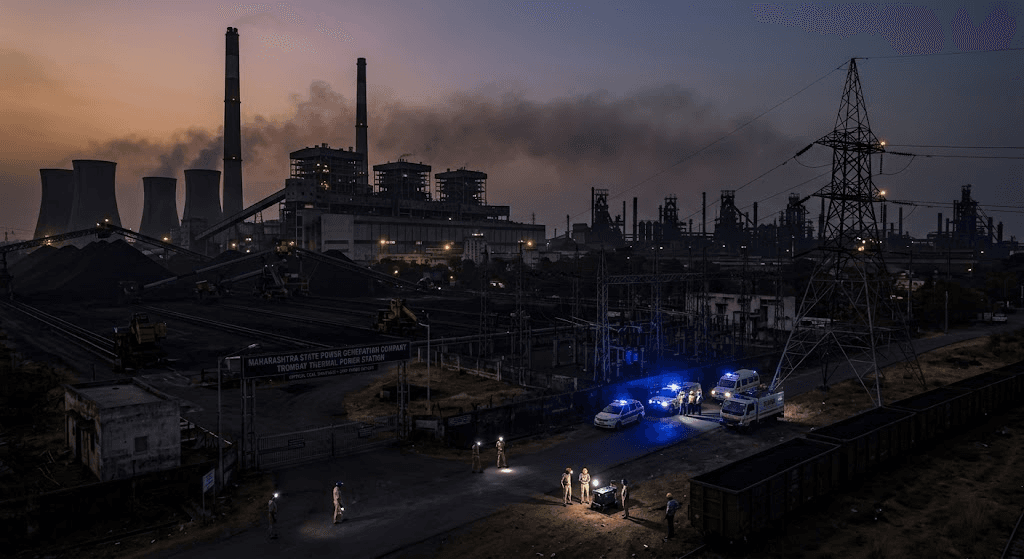
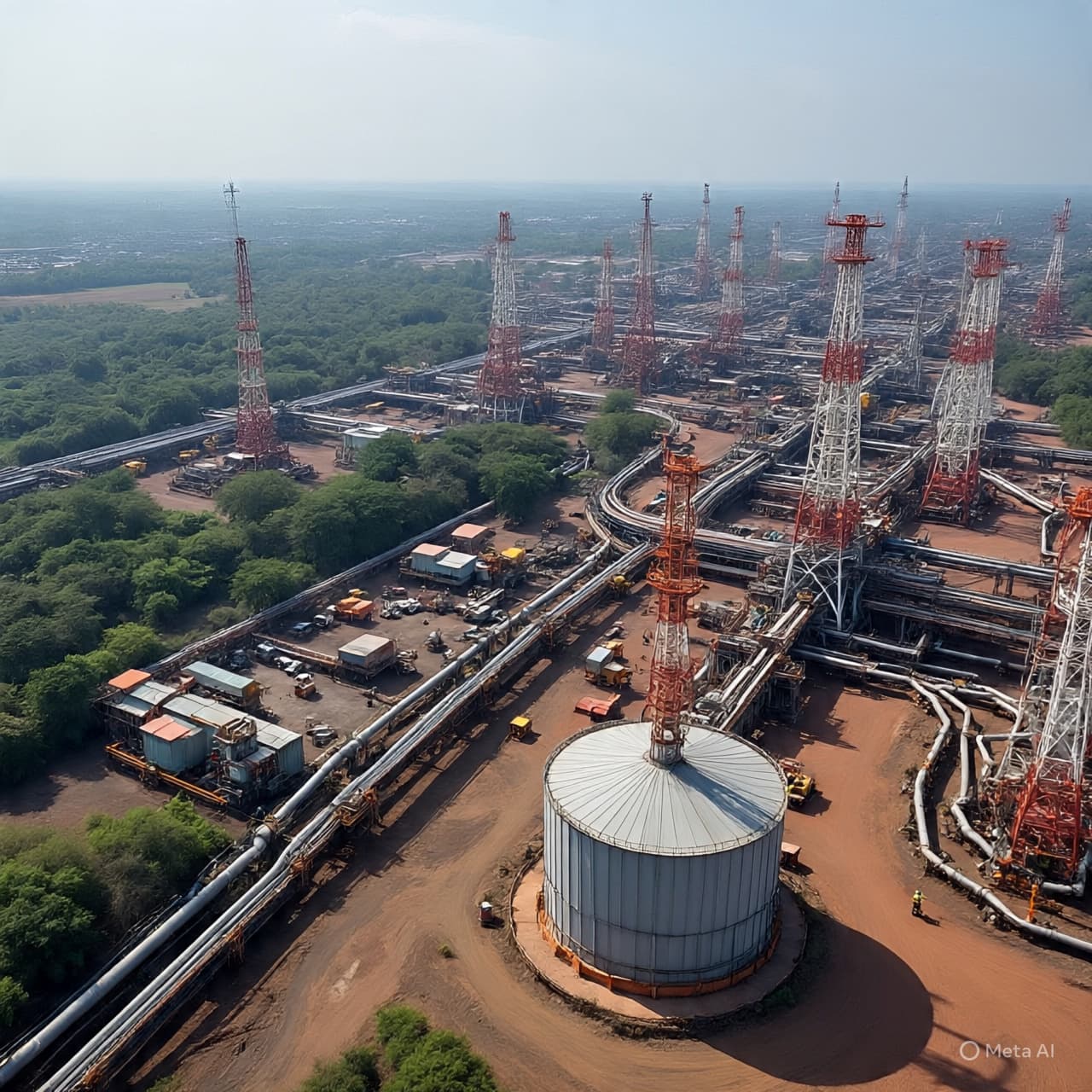
AI Image Disclaimer Illustrations were produced with AI and serve as conceptual depictions.
Sources CNBC (market optimism and Chevron’s positioning) MarketBeat / Defense World (stock movement and sentiment mix) Yahoo Finance (long road for oil majors, infrastructure rebuild) DiscoveryAlert / AInvest (operational and investment challenges) Al Jazeera / Reuters background on Venezuela’s reserves and oil industry context)
Published by Banx Network. This article is part of the Banx decentralized media programme, powered by the BXE token on the XRP Ledger.