
Key Highlights
- Cancellation:Japan has canceled its iconic cherry blossom festivals this year due to a tourism crisis.
- Unruly Behavior:Escalating disturbances from foreign tourists have prompted swift government action.
- Cultural Impact:The decision reflects a growing concern over maintaining cultural integrity amid mass tourism.
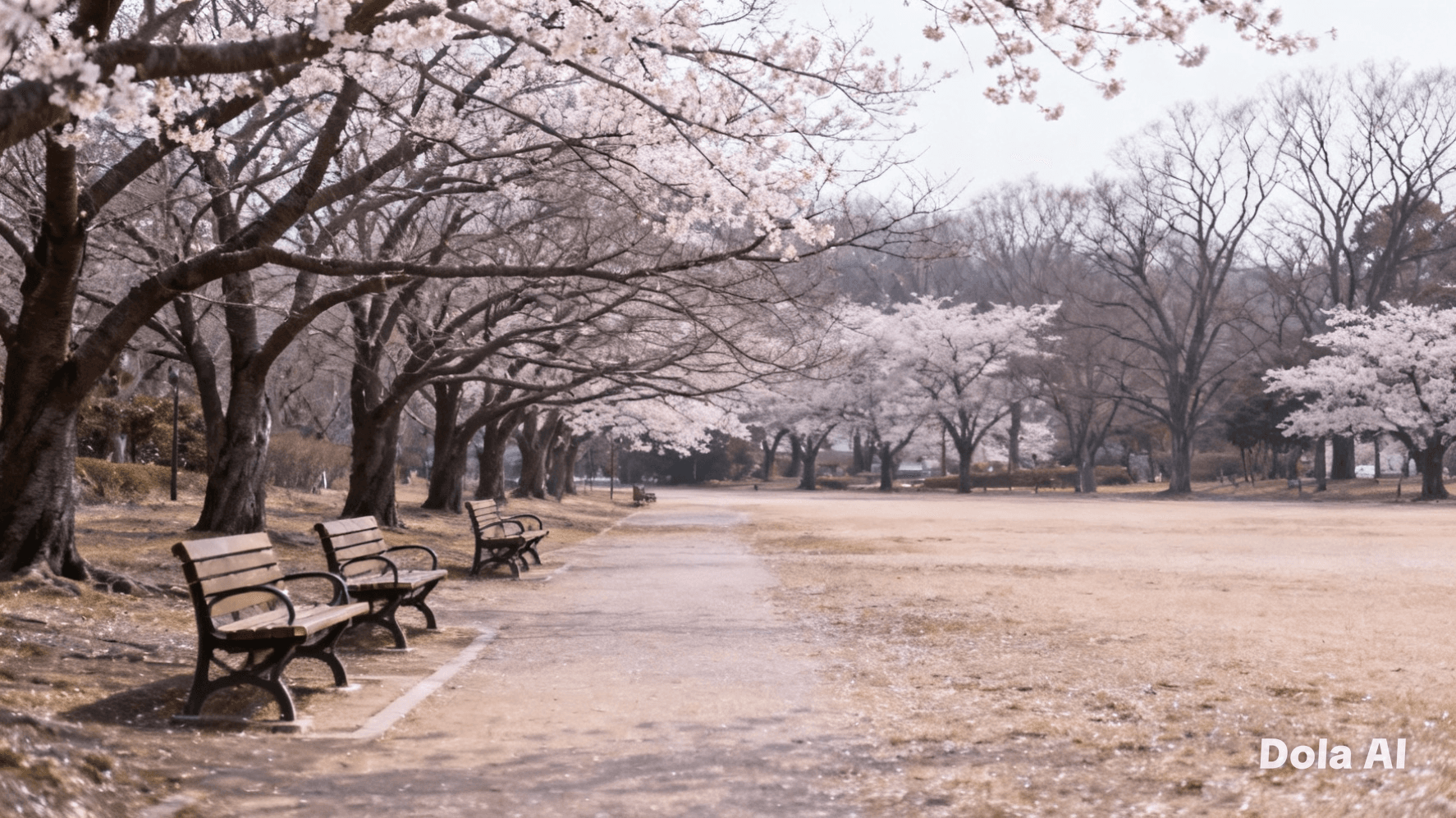
Japan's cherry blossoms, or sakura, have long symbolized the country's deep appreciation for nature and the transient beauty of life. Each spring, these delicate flowers transform parks and streets into breathtaking displays of pink and white, attracting millions of visitors from around the world. However, this year, Japan has made the unprecedented decision to cancel its beloved cherry blossom festivals, citing a tourism crisis that has reached alarming levels.
The decision has shocked both local communities and the international tourism sector. Reports indicate that unruly behavior from foreign tourists has been escalating over the years, with incidents of loud crowds, littering, and public drunkenness becoming increasingly common. This spring, the situation escalated dramatically when viral videos surfaced showing fights and disruptive behavior in Kyoto's Maruyama Park, prompting outrage across the nation and compelling local authorities to take immediate action.
Once a serene gathering place for families and culture enthusiasts, Maruyama Park has become a symbol of the chaos that can accompany mass tourism. Visitors have been seen trampling flower beds, leaving behind litter, and engaging in public altercations. The Japanese government, known for its commitment to social order and cultural preservation, responded swiftly. Prime Minister Fumio Kishida addressed the crisis in a press conference, emphasizing the need to protect Japan's cultural heritage and expressing disappointment over the behavior of some tourists. His remarks highlighted the delicate balance between welcoming visitors and preserving the sanctity of Japan's traditions.
This situation raises critical questions about how Japan can manage tourism while safeguarding its cultural treasures. For decades, the country has embraced global tourism, benefiting economically and culturally from the influx of visitors. However, the cherry blossom festivals have become a litmus test for the impact of mass tourism on local customs and environments. As the government grapples with this challenge, there are growing calls from local businesses and tourism organizations to reassess regulations surrounding tourism. Suggestions include limiting the number of tourists during peak seasons and implementing stricter behavioral guidelines in parks and cultural sites.
The economic ramifications of canceling the cherry blossom festivals are significant, as they represent a major loss for the tourism industry. However, this decision also serves as a crucial reminder that tourism must be conducted with respect and responsibility towards local cultures and environments. As Japan steps back from this year's celebrations, the world watches closely, not only for the return of the cherry blossoms but also for the future direction of tourism in Japan. The lessons learned from this crisis may well influence global travel practices for years to come.
Published by Banx Network. This article is part of the Banx decentralized media programme, powered by the BXE token on the XRP Ledger.



