
Key Highlights
- Fatalities:30 confirmed dead due to flooding in Chattogram.
- Displacement:Thousands of residents stranded on elevated ground.
- Infrastructure Damage:Severe disruption to transport and sanitation systems.
Chattogram, Bangladesh—Catastrophic monsoon floods overwhelmed regional river embankments across the Chattogram division early Sunday. Raging waters from upstream hills smashed through mud-built settlements without warning. Local authorities confirmed thirty fatalities linked directly to the rapid inundation. Thousands of rural inhabitants remain marooned on elevated patches of ground, with drinking water sources suffering immediate contamination from submerged sanitation infrastructure. Communication lines dropped offline as power poles snapped under pressure.
Rescue boats struggled against fierce currents to reach isolated village clusters. Military engineering units joined civilian teams to evacuate trapped families using speedboats. Floodwaters rose past window levels across multiple low-lying upazilas within hours. Survivors huddled on tin roofs waiting for daylight and rescue assistance. Makeshift medical camps reported treating numerous cases of exhaustion and lacerations, highlighting the urgent need for medical supplies and support.
District administrators established emergency relief kitchens near main highway junctions, but displaced villagers voiced anger over the slow arrival of official food rations. Commercial fish enclosures and seasonal crop fields vanished beneath murky brown water, leading local agricultural economists to estimate total financial losses in the billions of taka. Transport links connecting the port city to secondary districts remain completely severed, with railway tracks hanging suspended in mid-air after ballast washed away beneath the rails.
Train operations between regional hubs and the capital remain suspended indefinitely, while port authorities restricted vessel movements within the outer anchorage due to strong debris flows. Engineering crews await receding water levels before inspecting compromised bridge piers. Meteorological stations recorded unprecedented rainfall totals over a forty-eight-hour window, exacerbating the already dire situation.
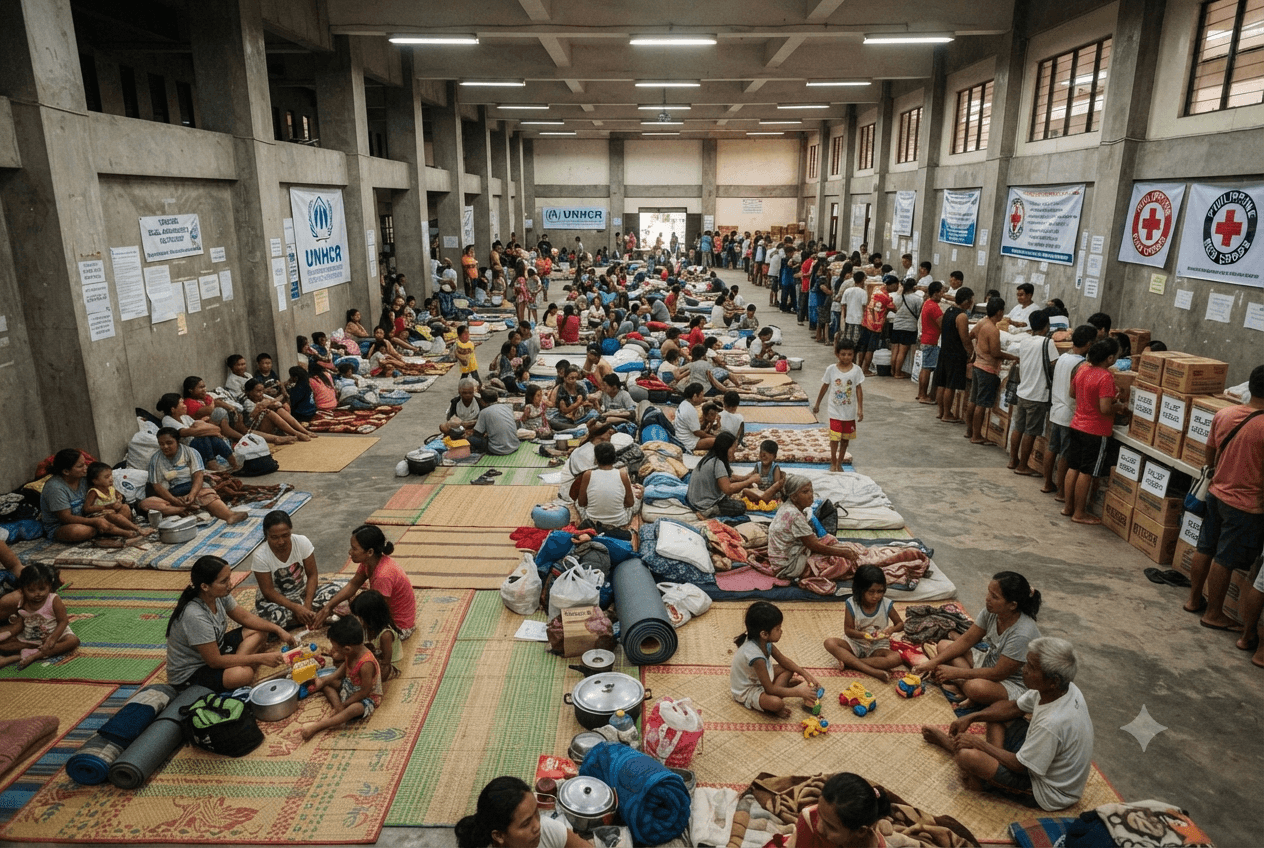
Humanitarian agencies have appealed for immediate international assistance to manage the expanding crisis. Temporary shelters filled beyond capacity as thousands more arrived from submerged hamlets. Sanitation conditions inside public school buildings turned critical by late afternoon, prompting health workers to initiate emergency vaccination drives to prevent waterborne disease outbreaks. Government ministers promised swift distribution of emergency cash allocations to affected households, but the effectiveness of these measures remains to be seen.
As night descended over a vast inland sea covering former agricultural plains, submerged village markers remained visible only through projecting rooftop peaks. Rescue teams suspended nighttime operations due to extreme navigation hazards in the dark. Victims continue to wait anxiously for the floodwaters to reverse direction, with the human cost of the regional disaster continuing to mount steadily. The community faces an uphill battle as they navigate the aftermath of this devastating natural disaster, with recovery efforts likely to take considerable time and resources.
Published by Banx Network. This article is part of the Banx decentralized media programme, powered by the BXE token on the XRP Ledger.



