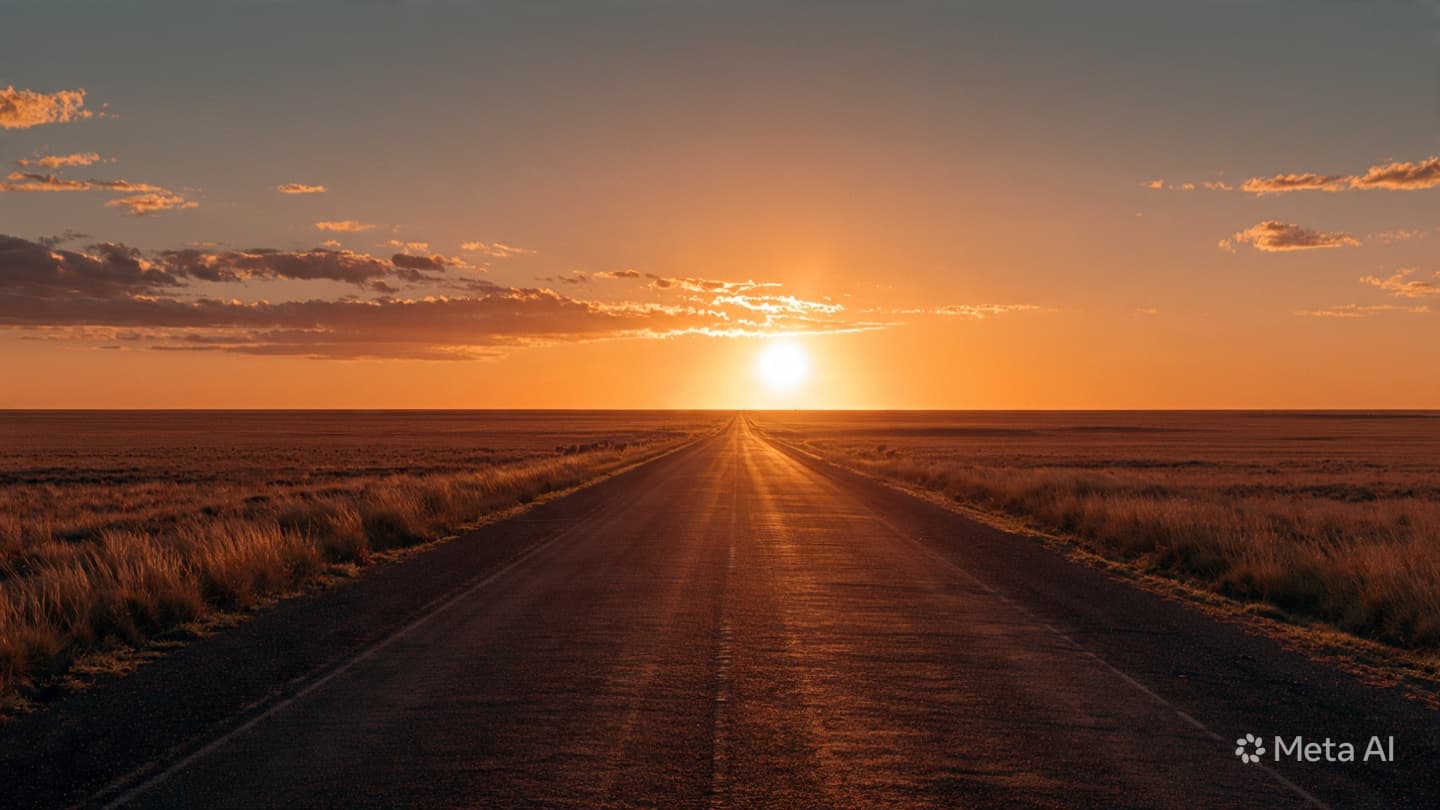
The horizon in the Argentine countryside is a vast, open invitation, a stretch of land that seems to go on forever, indifferent to the small, fleeting dramas that play out upon its surface. When a high-speed chase erupts along these quiet ribbons of asphalt, the atmosphere shifts instantly from the peaceful, agricultural silence of the fields to a frantic, kinetic urgency. The highway, usually a conduit for the slow migration of travelers and freight, becomes a stage for a desperate, singular focus. It is in these moments that the immense scale of the landscape clashes with the intense, human instability of the event, leaving a lingering sense of disruption in the air.
Observers caught in the periphery of such an event often describe a strange sensation of time slowing down, even as the machines move at their limits. The sudden intrusion of sirens and the blur of passing vehicles—a violent rupture in the stillness—force a visceral reaction. For those tasked with the pursuit, it is a matter of calculated risk, a delicate dance between the need for apprehension and the safety of the wider road. The high-speed chase is a phenomenon that strips away the veneer of social order, reducing the interaction to its most primal elements: the pursuer, the pursued, and the indifferent expanse of the road.
The recent apprehension of suspects involved in an armed robbery, following a protracted chase, has prompted a quiet, localized reflection on the nature of law enforcement in these isolated regions. When the chase finally ended, the aftermath brought a stark, sobering clarity to the stretch of road that had been the scene of the pursuit. The flashing lights against the encroaching evening, the gathered authorities, and the sudden cessation of motion—all served to frame the event as a brief, intense anomaly in the life of the highway. For the local community, it was a reminder of how quickly the mundane can be overtaken by the volatile.
The process of apprehending the suspects was not merely a physical contest of speed, but a test of coordination across vast distances. In the open country, where resources are spread thin and the distances between towns are great, the ability to contain such an event requires a precise, synchronized effort. The authorities managed the situation with a restraint that is often missed in the heat of the moment, ensuring that the escalation did not spill over into the surrounding fields or compromise the safety of others on the road. It was an exercise in managing chaos within a landscape that offers very little cover or support.
As the dust settles, the conversation turns to the broader implications of such brazen criminal acts on the open highway. The roads are intended to be veins of connection, not arenas for confrontation, and the challenge lies in maintaining this function in the face of persistent volatility. There is a reflective distance taken by those who analyze these events, looking for the patterns that allow for such pursuits to occur. The goal is to foster a sense of security that is as broad as the landscape itself, ensuring that the highway remains a place of transition rather than a place of danger.
The suspects are now in custody, and the legal process begins its own, slower, and more measured rhythm. The intense, kinetic energy of the chase is replaced by the dry, clinical language of the courtroom and the station house. For the community, this shift provides a sense of closure, a return to the quiet, expected patterns of their lives. Yet, the memory of the chase remains, a sharp point of interest that is shared in the cafes and the small gatherings, a story that punctuates the otherwise unremarkable stretch of the national route.
This event serves as a brief case study in the reality of patrolling a territory defined by its openness and its isolation. The inherent difficulty of policing such a landscape is magnified when faced with individuals who are willing to push the limits of their machines and the law. It demands a constant state of readiness, a vigilance that must be maintained even during the longest, most monotonous stretches of duty. The pursuit itself may be over, but the awareness of the challenge persists, a quiet, underlying tension that is part of the work of maintaining order in the vast spaces of the countryside.
In the end, the highway remains, reclaiming its silence as the events of the day are processed and filed away. The grass continues to grow in the fields, and the distant hum of traffic resumes its familiar, soothing cadence. The event was a brief flash of lightning in an otherwise steady, predictable sky—a moment where the order of the day was challenged, but ultimately restored. It is a quiet testament to the resilience of the local structure, and the ongoing, often invisible effort to keep the roads of Argentina safe for all who travel them.
Published by Banx Network. This article is part of the Banx decentralized media programme, powered by the BXE token on the XRP Ledger.