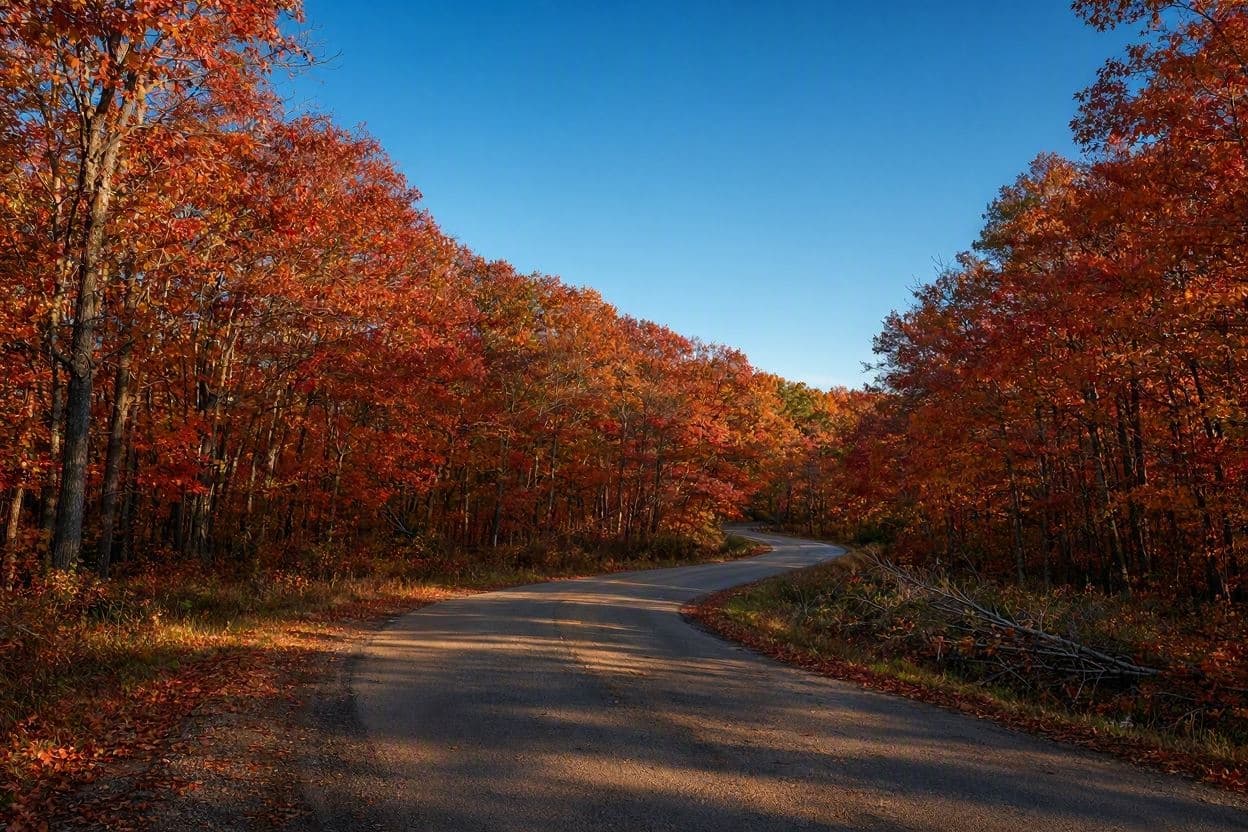
There is a particular magic that descends upon the Canadian landscape each autumn, a transformation so vivid it feels less like a seasonal shift and more like a national celebration. The air turns crisp, carrying the scent of pine and damp earth, while the forests ignite in a blaze of crimson, gold, and amber. For travelers and locals alike, this annual spectacle is not merely a backdrop but a destination in itself, inviting exploration along winding roads that cut through some of the most breathtaking scenery on the continent.
Planning a foliage road trip requires a delicate balance of timing and geography, as the peak color wave moves steadily from north to south and west to east. In the rugged highlands of Quebec and the Maritimes, the display often begins in late September, with the Laurentians and Gaspé Peninsula offering early bursts of fiery red maples. By early October, the focus shifts to Ontario, where Algonquin Provincial Park becomes a pilgrimage site for photographers and nature enthusiasts eager to witness the sugar maples at their zenith.
The Cabot Trail in Nova Scotia remains a perennial favorite, combining dramatic coastal views with dense forest canopies that reach their peak in the first two weeks of October. Driving this scenic loop offers a sensory immersion, where the contrast between the deep blue Atlantic and the burning orange hillsides creates a visual symphony. Further west, the journey through British Columbia’s Interior and Vancouver Island provides a different palette, with golden larches and vibrant aspens painting the mountainsides in hues that linger into November.
Timing is everything, yet it remains notoriously elusive. Weather patterns, particularly temperature and rainfall, can accelerate or delay the color change by days or even weeks. A sudden frost can strip trees prematurely, while a warm, dry autumn can prolong the display. Travelers are advised to monitor local foliage reports closely, treating their itinerary with flexibility to chase the colors rather than sticking rigidly to a calendar date.
Beyond the visual splendor, these road trips offer a chance to reconnect with the rhythm of nature. Small towns along the routes often host harvest festivals, farmers' markets, and artisan fairs, celebrating the bounty of the season. Stopping for apple cider, pumpkin treats, or locally crafted goods adds a layer of cultural richness to the journey, grounding the aesthetic experience in community and tradition.
Accommodation during peak season requires foresight, as popular lodges and campsites fill up months in advance. However, the reward for planning ahead is the opportunity to wake up to mist-covered valleys and sunrise-lit treetops, moments of quiet beauty that define the Canadian autumn. Whether staying in a rustic cabin or a boutique hotel, the surroundings serve as a constant reminder of the transient nature of such perfection.
As the days grow shorter and the light softer, the experience of driving through these landscapes becomes meditative. The act of traveling itself slows down, mirroring the gentle decay of the leaves. It is a time for reflection, for appreciating the cycle of life and death that plays out in every falling leaf, and for finding joy in the fleeting brilliance of the present moment.
Ultimately, Canada’s autumn foliage is more than a tourist attraction; it is a shared heritage, a natural phenomenon that binds people together in awe. By taking to the roads, travelers participate in this ancient ritual, witnessing the earth’s final flourish before the quiet of winter sets in.
AI Image Disclaimer: The accompanying visuals are AI-generated artistic interpretations of Canadian autumn landscapes and do not represent specific real-time photographs of the locations mentioned.
Sources: Destination Canada Vagrants of the World Hipcamp Journal
Published by Banx Network. This article is part of the Banx decentralized media programme, powered by the BXE token on the XRP Ledger.