To understand the universe, one must first map its contours, charting the positions of its brightest beacons and darkest voids. A new, massive cosmic map has been released, detailing millions of celestial objects with unprecedented precision. This achievement invites reflection on the human desire to know our place in the cosmos and the technological marvels that make such knowledge possible. It is a moment where data becomes destiny.
The map, created using advanced spectroscopic surveys, includes more than three million new spectra, offering a detailed look at the distribution of galaxies, quasars, and intergalactic gas. Spectra tell stories. Distribution reveals pattern.
Among the discoveries are rare stars and hidden black holes that were previously obscured by dust or distance. These findings provide new insights into the lifecycle of stars and the growth of supermassive black holes. Rarity holds value. Hidden waits for light.
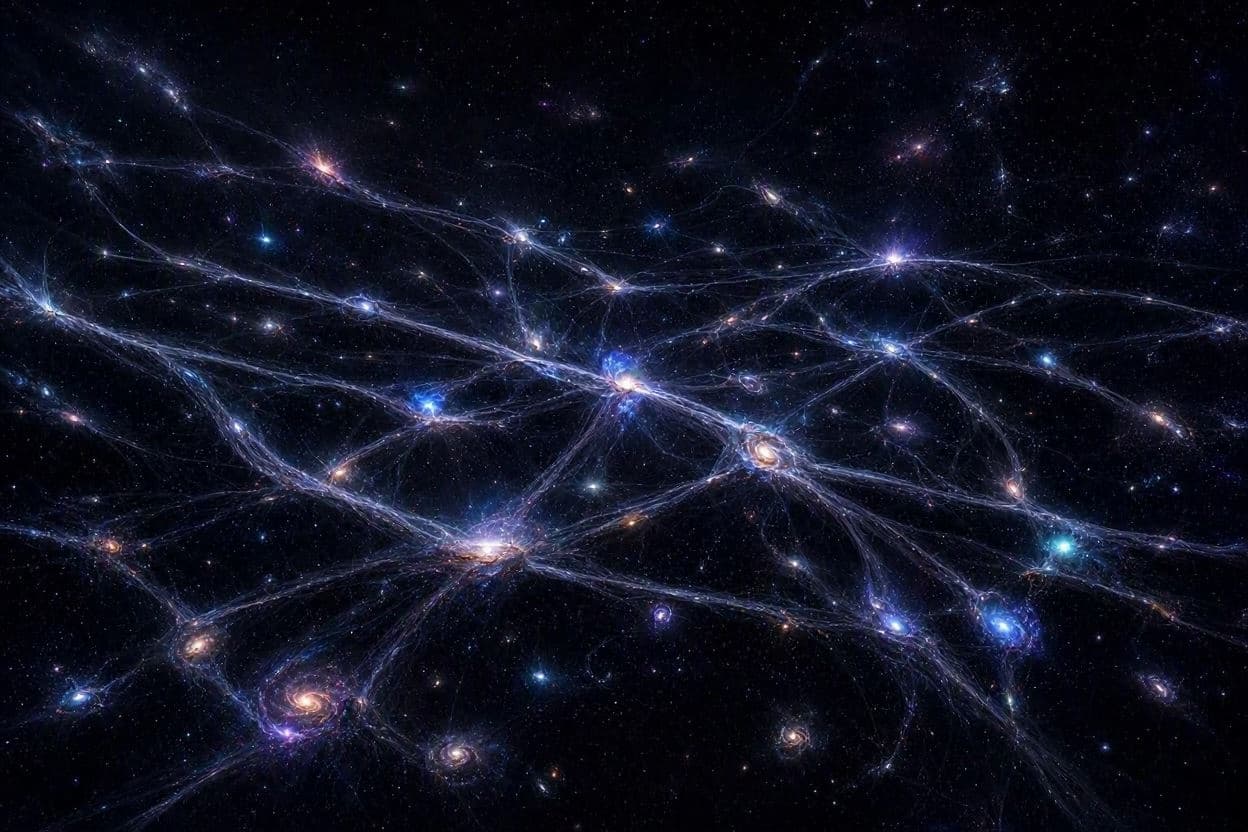
The map also reveals the structure of the cosmic web, the vast network of filaments that connects galaxies across billions of light-years. Understanding this structure is key to unlocking the mysteries of dark matter and dark energy. Web connects all. Mystery drives inquiry.
For researchers, this dataset is a treasure trove, enabling statistical analyses that were impossible with smaller samples. It allows for more accurate measurements of the universe’s expansion rate and its ultimate fate. Data enables analysis. Measurement predicts future.
The collaboration behind the map represents a global effort, bringing together astronomers from around the world to share resources and expertise. Cooperation accelerates progress. Expertise ensures quality.
As we gaze at this new map, we see not just points of light, but a narrative of cosmic history written in the language of physics. The hope is that this tool will inspire future generations to continue the journey of discovery. Narrative inspires mind. Journey continues forever.
A new cosmic map has been released, revealing millions of celestial objects including black holes, rare stars, and hidden gas. The map provides valuable data for understanding the structure and evolution of the universe. The hope is for continued exploration and discovery using this comprehensive resource.
AI Image Disclaimer: The images provided are AI-generated to visually represent the astronomical and cartographic aspects of the story.
Sources: ScienceDaily Space.com The Guardian YouTube (ScienceHub)
Published by Banx Network. This article is part of the Banx decentralized media programme, powered by the BXE token on the XRP Ledger.