
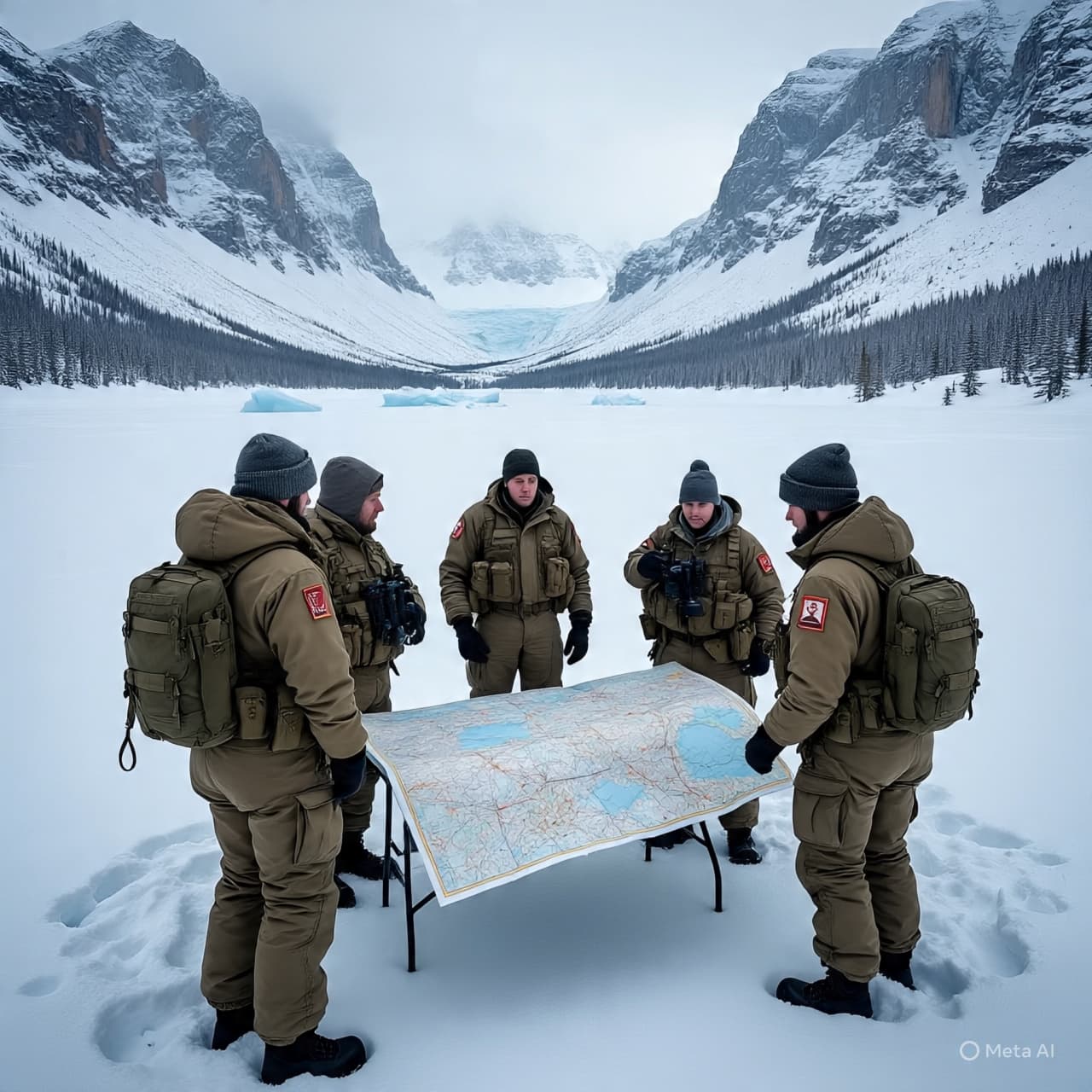
Nations, like ships, chart their course not only by the stars above but by the currents beneath them. For decades, Canada has sailed in close formation with its southern neighbor, bound by geography, trade, and shared security commitments. Yet even steady alliances invite reflection. This week in Ottawa, that reflection took the form of a new defense strategy—one that speaks gently but clearly about resilience and reduced dependency.
Prime Minister Mark Carney unveiled a defense plan aimed at strengthening Canada’s military capabilities while lessening what he described as structural “dependency” on the United States. The strategy does not signal a break in partnership, officials emphasized, but rather an effort to broaden Canada’s capacity to act independently when necessary and to diversify procurement, supply chains, and strategic alliances.
Speaking in Ottawa, Carney outlined a framework centered on modernizing equipment, boosting domestic defense manufacturing, and investing in Arctic security. The Arctic, long seen as both a frontier and a responsibility, features prominently in the strategy as climate change opens new shipping routes and geopolitical interest intensifies.
Canada’s defense posture has historically been intertwined with Washington through joint initiatives such as NORAD and broader commitments within NATO. The new strategy maintains these partnerships but underscores the importance of ensuring Canada can meet its obligations without overreliance on U.S.-based supply systems or decision-making frameworks.
Officials pointed to recent global disruptions—from pandemic-era supply shortages to shifting geopolitical tensions—as reminders that diversified procurement and domestic production can offer strategic stability. The government signaled plans to expand Canadian shipbuilding, enhance cyber defense capabilities, and accelerate investment in emerging technologies, including surveillance and communications infrastructure tailored to northern regions.
Defense analysts have noted that calls for greater autonomy are not new in Canadian policy circles. However, Carney’s remarks appear to place renewed emphasis on economic sovereignty as an element of national security. Strengthening domestic industry, the government argues, can reduce vulnerabilities while supporting jobs and innovation at home.
Opposition figures have responded with measured scrutiny, seeking clarity on funding commitments and timelines. Some have welcomed the focus on Arctic readiness and modernization, while urging detailed accountability on cost projections. Others caution that Canada’s security relationship with the United States remains foundational and should be approached with steady coordination.
Military leaders have indicated that implementation will unfold over multiple years, with phased procurement and infrastructure upgrades. The strategy includes consultations with Indigenous communities in northern territories, acknowledging their role and presence in regions central to Canada’s defense planning.
For Canada, the question is not whether to stand alongside allies, but how firmly it can stand on its own. The unveiling of this strategy suggests a desire to balance enduring partnership with strengthened self-reliance—a recalibration rather than a rupture.
In practical terms, the government has committed to presenting budget details in the coming fiscal cycle. Parliamentary review and committee discussions are expected in the weeks ahead. As the strategy moves from announcement to action, Ottawa will continue coordinating with Washington and NATO partners while outlining how Canada intends to chart a course that is both cooperative and distinctly its own.
AI Image Disclaimer
Visuals are created with AI tools and are not real photographs.
Source Check: Credible coverage found from:
1. CBC News 2. CTV News 3. The Globe and Mail 4. Reuters 5. The Canadian Press
Published by Banx Network. This article is part of the Banx decentralized media programme, powered by the BXE token on the XRP Ledger.


