Key Highlights
- Incident:A twin-engine charter aircraft crashed near a Florida airport during an emergency landing.
- Response:Local emergency crews and federal investigators are on-site to assess the situation.
- Impact:Airport operations were suspended for several hours, affecting regional flights.
West Palm Beach, United States—A twin-engine charter aircraft crashed short of the runway perimeter during an emergency approach at a coastal Florida airfield Thursday morning, scattering wreckage across swampy ground and destroying airport perimeter fencing. The aircraft was carrying passengers on a regional charter route when flight crew members issued a distress call reporting low altitude control issues just three miles out from touchdown.
Air traffic controllers lost radar contact with the plane at 10:14 a.m. local time, seconds after the pilot requested priority clearance for an immediate landing on the airport's main north-south strip. Airport fire crews responded within minutes, navigating terrain vehicles through thick brush to reach the impact zone, where flames had consumed the central fuselage structure.
"The aircraft came in sharp and low over the tree line before dropping off radar," said witness and airfield maintenance supervisor Dave Miller. "We heard a loud impact followed by thick black smoke rising from the marsh right outside the airfield fence line."
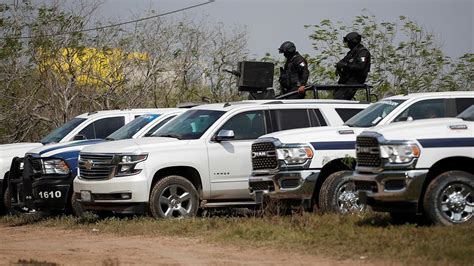
Local emergency crews established a secure boundary around the crash site, sealing off regional access roads while hazmat teams deployed containment booms to catch leaking aviation fuel from creeping into municipal drainage ditches. Coastal emergency medical units stood by as search teams deployed thermal gear to survey the smoking debris field.
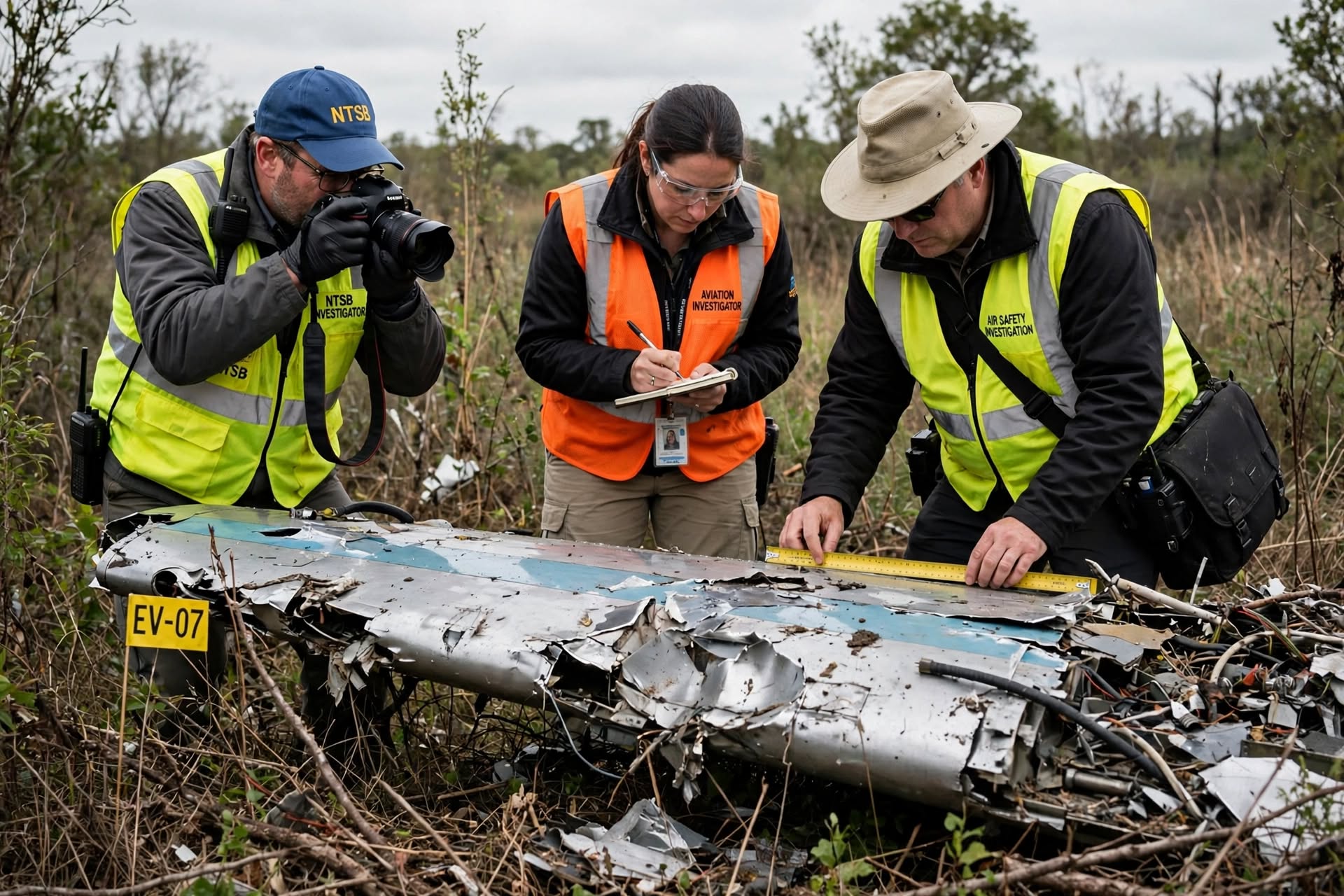
National Transportation Safety Board investigators and Federal Aviation Administration teams were dispatched to lead the field investigation. Federal agents secured the airfield's radar logs, voice recordings, and local weather station data to analyze low-level atmospheric turbulence and cloud ceilings reported at the time of descent.
Airport operations were suspended for several hours following the crash, forcing commercial flights to divert to neighboring regional hubs across southern Florida. Field technicians worked through the afternoon to inspect perimeter lights and navigational aid antennas located near the point of impact for potential collision marks.
"Our immediate effort focuses on securing the wreckage site, recovering flight recorder modules, and preserving physical evidence," said FAA Regional Communications Coordinator Sarah Jenkins during a brief airport perimeter update. "We will not speculate on mechanical failure or pilot communications until telemetry logs are downloaded."
Wreckage recovery units equipped with flatbed trucks and mobile cranes remain stationed near the airfield perimeter, waiting for federal investigators to complete initial ground mapping before lifting heavy airframe components.
Published by Banx Network. This article is part of the Banx decentralized media programme, powered by the BXE token on the XRP Ledger.