In the quiet hours before dawn, when the sky over north London had not yet shifted from ink to indigo, something unexpected broke the stillness on a street near a synagogue in Golders Green. The night air carried the weight of stillness — that fragile space between sleep and the first breath of the morning — until flame and smoke stirred it into motion, disrupting the hush with crackling heat and urgent noise.
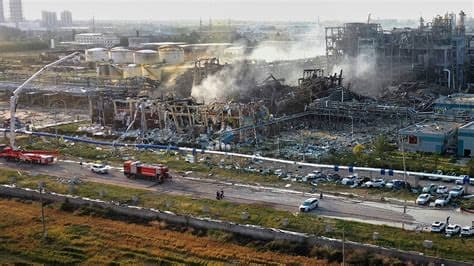
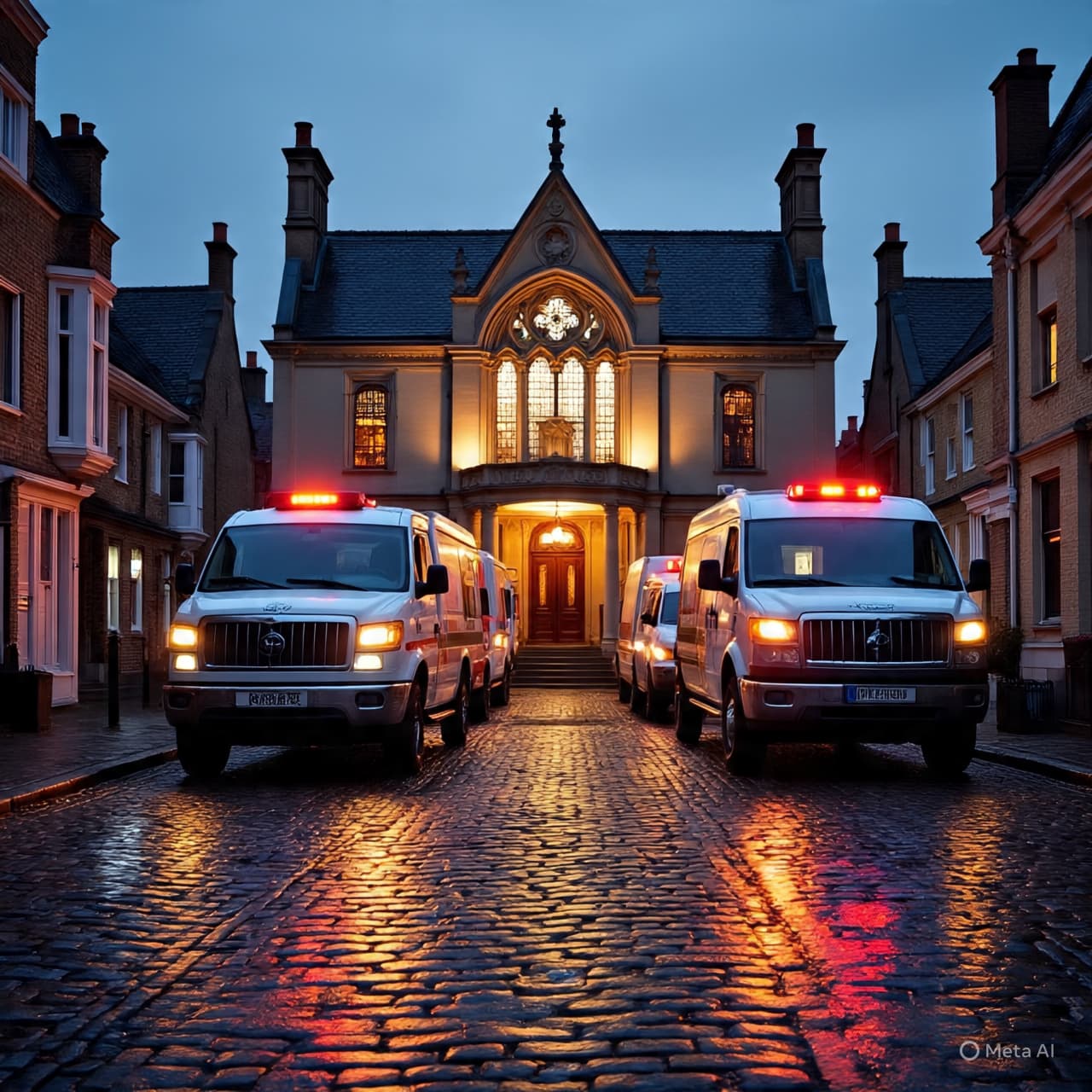
Here, on Highfield Road, rows of volunteer ambulances — unassuming vehicles that offered help to neighbors and strangers alike — stood like silent witnesses to the city’s rhythms. They were not grand monuments nor noisy engines of commerce, but quiet fulfillments of a simple promise: to answer calls for aid with compassion and swift hands. In the early hours of Monday, four of these ambulances were ravaged by fire, their forms charred and bent under breathless sky. British police have said they are treating the incident as a suspected antisemitic hate crime, an act of arson under investigation with counter‑terrorism resources now involved.
The scent of smoke lingered in the cool morning air as firefighters combed the scene, and gas cylinders within the vehicles caused further explosions that rattled nearby windows. No one was injured, but for the residents who emerged at sunrise, and for the volunteers who had tucked these ambulances in their sleep just hours before, the shock was deep. In a community woven from shared observance and mutual care, ambulances are more than metal and lights — they are lifelines.
London’s mayor and the United Kingdom’s prime minister both issued statements condemning the attack, speaking in measured words that carried concern for both the immediate moment and the broader sense of community well‑being. “Antisemitism has no place in our society,” one political leader said as investigators reviewed CCTV footage and followed leads through the neighbourhood’s early light.
In Golders Green, a neighbourhood shaped over generations by arriving families and the cadence of local life, there is a certain rhythm — the hum of buses, the chatter of markets, the occasional ring of synagogue bells. This rhythm is familiar, comfortable, and often taken for granted until something jars it. When acts of hate intersect with the everyday fabric of such places, the shock is not just for those directly affected but for the countless others who move through the city with their own quiet rituals.
And yet, in the spaces where smoke once curled upward and now only the morning light lingers, there are also signs of resilience. Volunteers speak in hushed but determined tones about restoring what was damaged; neighbours bring cups of tea and shared concern. The ambulances, in their silent repose after the fire, become symbols not only of what was lost but of the enduring commitment to service in the face of fear.
As London wakes and life returns to its usual cadence, the investigation continues, and questions hang gently in the air. But so does a steadfast sense that in the meeting of community, compassion and collective care, there is a light that even fire cannot entirely dim.
AI Image Disclaimer Visuals are AI‑generated and serve as conceptual representations.
Sources Reuters Associated Press (AP) ABC News Euronews The Guardian
Published by Banx Network. This article is part of the Banx decentralized media programme, powered by the BXE token on the XRP Ledger.