
Key Highlights
- Nationwide Protests:Students across the U.S. are protesting immigration enforcement.
- Texas Response:State leaders warn schools of consequences for facilitating protests.
- Civic Engagement:Demonstrations are framed as expressions of solidarity and education.
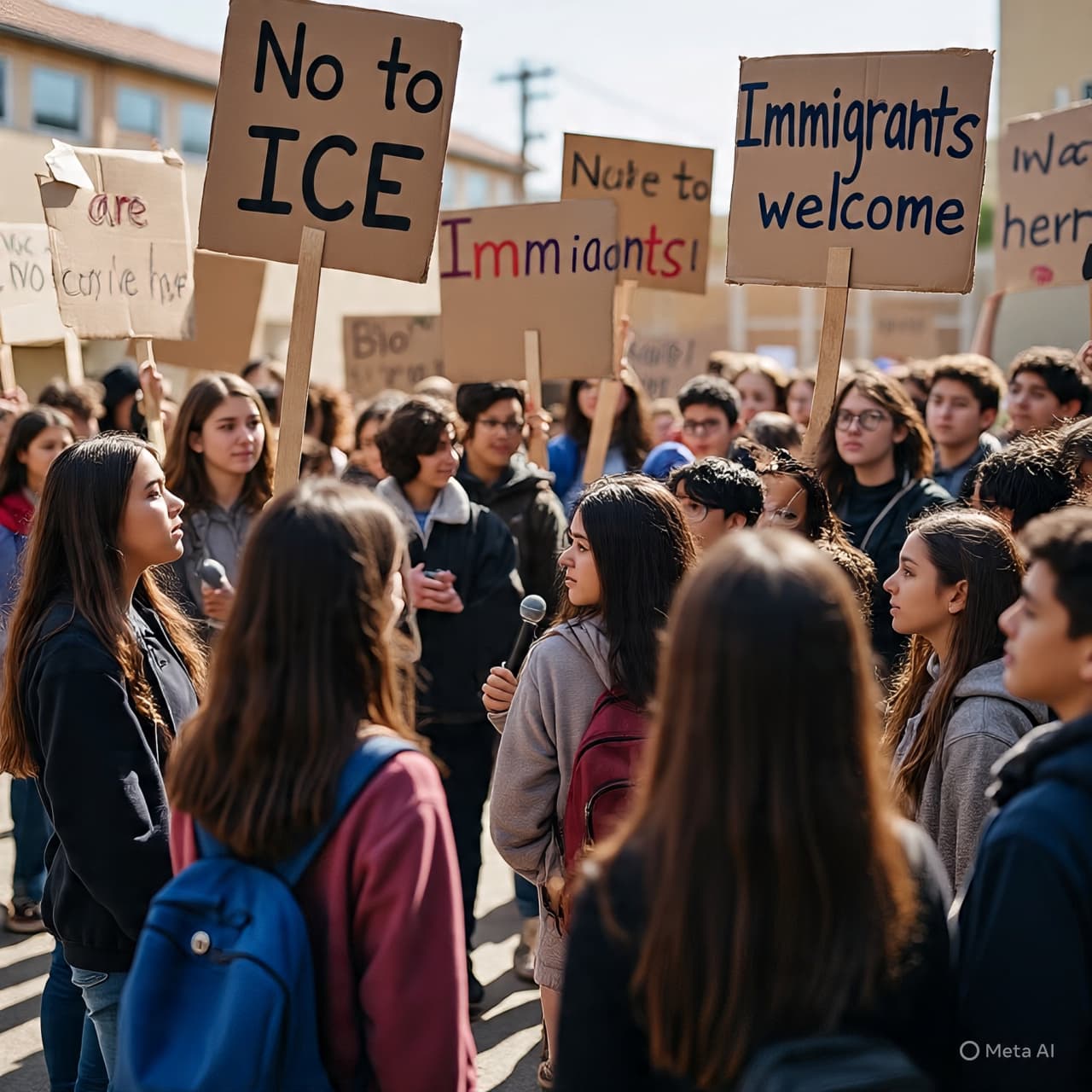
Students across the United States have taken to their campuses, from California to the Northeast, to voice their concerns over immigration enforcement, particularly the actions of U.S. Immigration and Customs Enforcement (ICE). These demonstrations have manifested in various forms, including walkouts, teach-ins, and peaceful rallies, as students seek to express solidarity with classmates and families affected by immigration policies. The protests are not just spontaneous acts of dissent; they are rooted in personal experiences and a desire for civic engagement.
In recent weeks, high schools and universities have become vibrant centers of activism, with students carrying signs and chanting slogans that resonate with their communities. The focus on immigration enforcement reflects a broader national conversation about the impact of federal policies on local lives. For many students, especially those from mixed-status families, the presence of ICE is not an abstract issue but a daily reality that shapes their educational experience and sense of safety.
However, the response from state leaders, particularly in Texas, has introduced a layer of complexity to these protests. Lawmakers and education officials have issued warnings that schools could face repercussions if they are perceived as facilitating or failing to control student protests related to immigration enforcement. Proposals have emerged suggesting that funding or administrative oversight could be jeopardized if districts do not comply with state expectations regarding political activity on campus.
Supporters of these stricter measures argue that educational institutions should prioritize instruction and avoid becoming battlegrounds for political conflict. They assert that while students possess constitutional rights, those rights must be exercised within the confines of structured school environments. This perspective emphasizes the need for schools to maintain order and ensure student safety, particularly during politically charged events.
In contrast, students and civil liberties advocates argue that peaceful protest is an essential form of education and a vital exercise in democratic participation. They reference Supreme Court precedents affirming that students do not lose their rights to freedom of speech or expression at school. This ongoing debate highlights the tension between maintaining order and allowing for the expression of dissent, a dynamic that is particularly pronounced in the context of immigration policy.
As protests continue, school administrators across the nation are faced with the challenge of balancing student expression with compliance to state directives and the need for campus stability. The potential for punitive measures in Texas adds a significant layer of complexity to how districts may respond to future demonstrations. The sight of students gathering with handmade signs serves as a reminder of the ongoing struggle for civil rights and the role of education in fostering civic engagement.
In this evolving landscape, the actions of students reflect a familiar rhythm in American civic life, where each generation tests the boundaries of speech and authority. Schools often serve as the initial stage for these larger national questions, making the current wave of protests a significant moment in the ongoing dialogue about immigration and civil liberties in the United States.
Published by Banx Network. This article is part of the Banx decentralized media programme, powered by the BXE token on the XRP Ledger.



