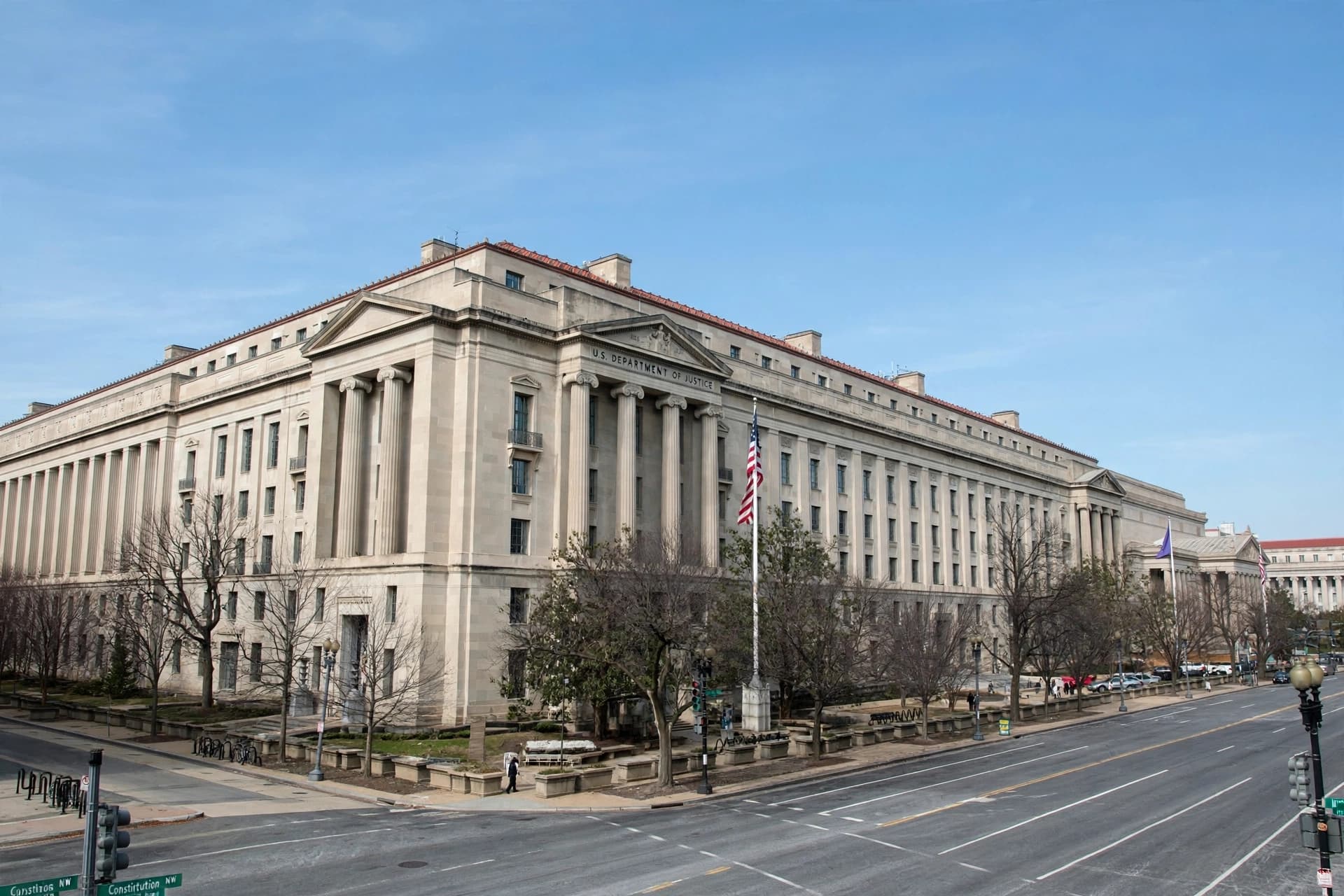
Under the draft, the White House would direct the Attorney General to create a dedicated unit in the Department of Justice, charged with identifying and legally contesting state-level AI regulations. According to reports, this task force would challenge such laws on multiple grounds: they may allegedly interfere with interstate commerce, conflict with existing federal statutes, or otherwise grant too much autonomy to local governments.
Simultaneously, the plan would involve other federal agencies. The Commerce Secretary would be asked to review what the White House calls “onerous” state AI laws, and to report back within a tight 90-day window. The draft also contemplates withholding federal broadband funding from states whose AI regulations are judged to be too restrictive.
Critics of the proposal argue that it raises serious constitutional questions. Legal experts have pointed out that using an executive order to broadly preempt state laws could overstep the bounds of presidential power. There is also pushback from state leaders and civil society organizations, who warn that this top-down approach undermines states’ democratic prerogative to protect their citizens from emerging risks of AI. Some of the laws in question aim to bolster transparency, require disclosures, or impose safety guardrails — policies that local governments see as vital in this rapidly changing field.
On the other side, administration officials argue that a patchwork of state AI regulations might stifle innovation, create compliance nightmares, and hamper the country’s competitiveness — particularly if divergent rules slow down the deployment of powerful AI systems. They also emphasize that a federal standard could drive clarity, encourage responsible development, and prevent fragmentation.
The draft also signals a broader strategy: not only litigation, but financial leverage. By tying federal funding (especially broadband) to states’ regulatory behavior, the administration could steer policy indirectly, using money as both carrot and stick.
AI Image Disclaimer “Illustrations were produced with AI tools and serve as conceptual depictions, not real photographs.”
Sources The Washington Post Politico WIRED TechPolicy.Press TechTarget
Published by Banx Network. This article is part of the Banx decentralized media programme, powered by the BXE token on the XRP Ledger.