
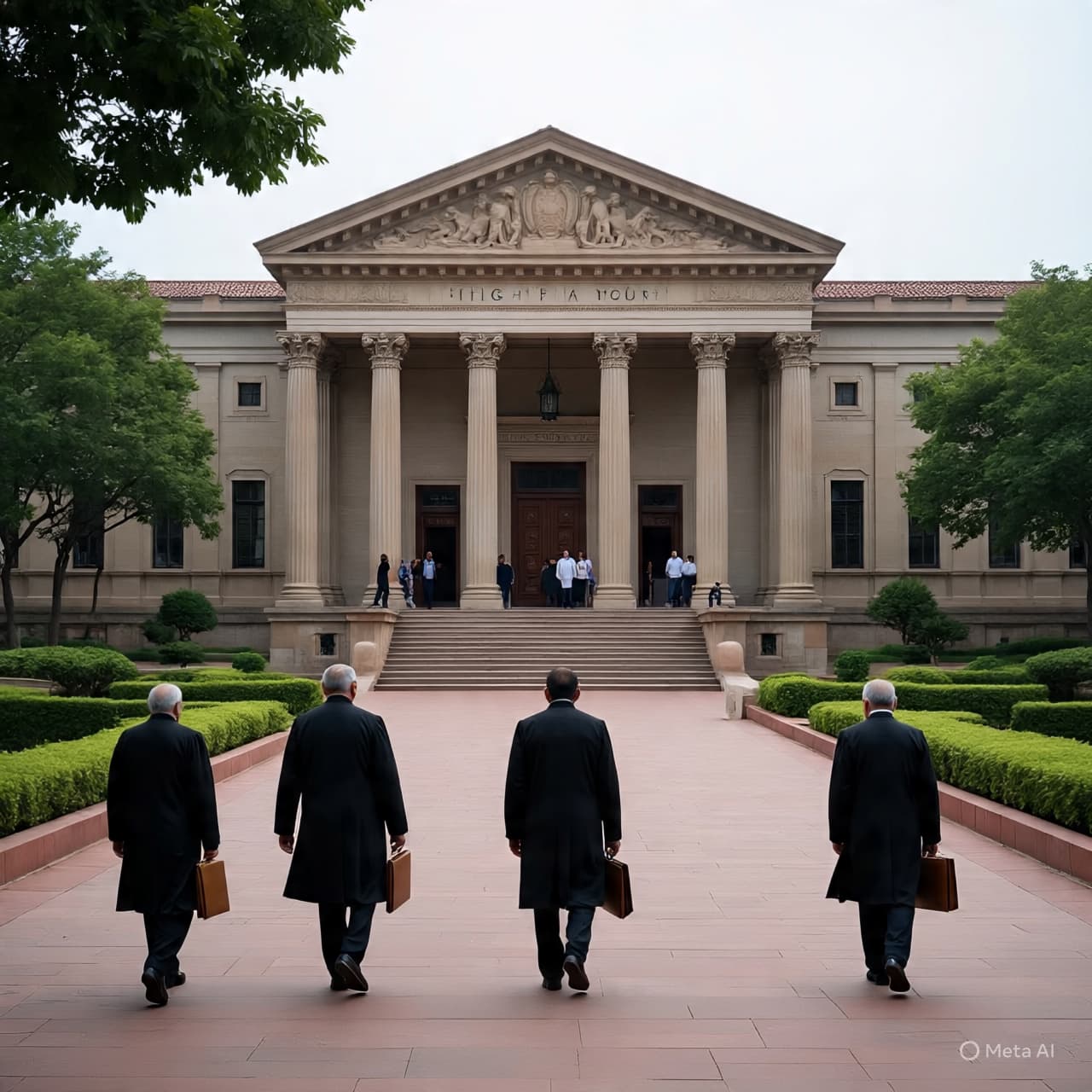
In the crowded courtrooms of Delhi, a saga has been quietly unfolding for years, one that intertwines law, politics, and the complex layers of civil unrest. Umar Khalid and Sharjeel Imam, two student activists whose names have become symbols in India’s charged political discourse, remain behind bars — nearly five years after the 2020 northeast Delhi riots erupted. Their continued detention raises questions not only about the justice system but also about the balance between public safety, individual rights, and the weight of anti‑terror legislation.
The Supreme Court has denied their bail, even as it granted freedom to five other co‑accused. The difference, the court stressed, lies in the perceived roles of the accused in the alleged conspiracy. Khalid and Imam are said to have been centrally involved in planning and mobilizing activities during the riots, while others were considered peripheral participants. Legal observers note that the court is careful to treat each accused individually, highlighting the distinct assessment of responsibility and risk.
Another layer of complexity arises from the charges under the Unlawful Activities (Prevention) Act (UAPA). Under its provisions, bail is not a matter of course. The law allows courts to deny release if the allegations appear credible at first glance — a “prima facie” standard. The Supreme Court found that standard satisfied in the case of Khalid and Imam, making temporary freedom difficult despite the long passage of time. Legal experts describe this as a stringent safeguard designed for cases where national security or conspiracy is alleged, though critics argue it can be applied broadly against dissenters.
Delay in trial proceedings, often cited by the defense, does not automatically grant bail either. The Supreme Court acknowledged the prolonged custody but emphasized that length of detention alone cannot outweigh the seriousness of the charges, particularly under UAPA. While human rights organizations such as Amnesty International have expressed concern, the court has left open the possibility of renewed bail applications later, reflecting a procedural path without immediate relief.
Beyond legal technicalities, the case carries a broader resonance in Indian public life. It highlights tensions between security measures and civil liberties, and between courts and public opinion, in a country still grappling with the legacy of communal unrest. For Khalid and Imam, the courtroom is now a stage where constitutional safeguards, legislative powers, and societal debates intersect, and where their fate remains tethered as much to law as to the careful calculus of state and society.
AI Image Disclaimer Images in this article are AI-generated illustrations, meant for concept only.
Sources Times of India Amnesty International Indian Express Supreme Court judgment summaries
Publié par Banx Network. Cet article fait partie du programme de médias décentralisés Banx, propulsé par le jeton BXE sur le XRP Ledger.


