
Key Highlights
- Supreme Court Decision:The Supreme Court of India has denied bail to Umar Khalid and Sharjeel Imam, two prominent activists linked to the 2020 northeast Delhi riots.
- Legal Context:Their continued detention raises significant questions about the application of anti-terror laws and civil liberties in India.
- Ongoing Trials:Khalid and Imam have been in custody for nearly five years, with their cases highlighting broader societal tensions.
The legal saga surrounding Umar Khalid and Sharjeel Imam continues to unfold in the courts of Delhi, drawing attention to the intersection of law, politics, and civil rights in India. Both activists have been incarcerated for nearly five years following the violent riots that erupted in northeast Delhi in February 2020. Their cases have become emblematic of the ongoing struggle between state security measures and individual freedoms, particularly in the context of the Unlawful Activities (Prevention) Act (UAPA).
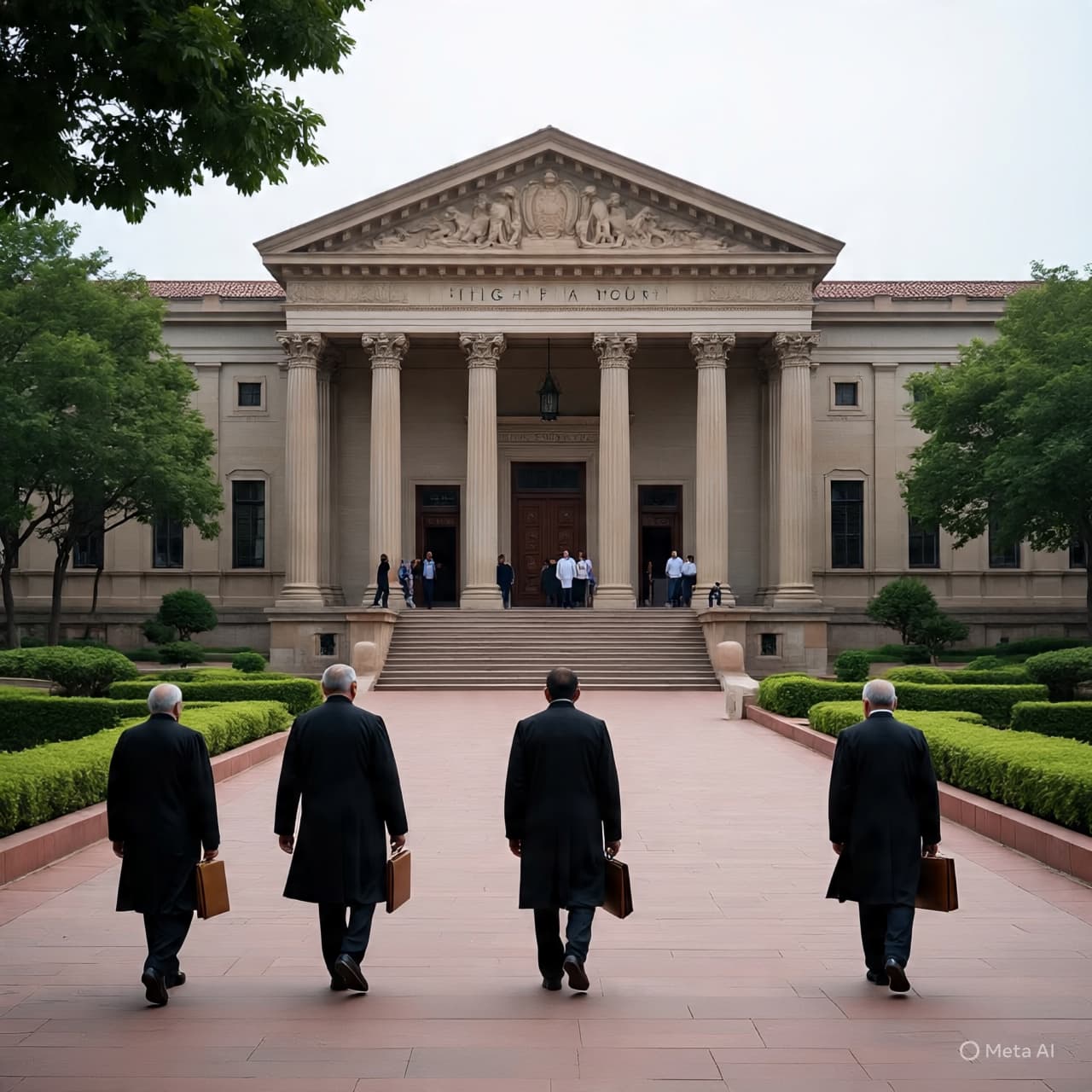
Recently, the Supreme Court denied bail to Khalid and Imam, a decision that has sparked considerable debate among legal experts and human rights advocates. The court's ruling emphasized the perceived roles of the two activists in the alleged conspiracy behind the riots, suggesting that their involvement was more central compared to five other co-accused who were granted bail. This distinction underscores the court's approach to evaluating each defendant's level of responsibility and the associated risks.
The UAPA, under which Khalid and Imam are charged, imposes stringent conditions for bail. The law allows courts to deny bail if the allegations against the accused appear credible at first glance, a standard the Supreme Court found applicable in this case. Legal analysts argue that while this provision is intended to protect national security, it can also be wielded against dissenters, raising concerns about its potential misuse.
Defense attorneys have pointed to the lengthy delays in trial proceedings as a reason for granting bail, arguing that prolonged detention without a verdict is unjust. However, the Supreme Court has maintained that the seriousness of the charges under the UAPA outweighs the duration of custody. This stance reflects a broader judicial philosophy that prioritizes the nature of the allegations over procedural delays, a position that has drawn criticism from human rights organizations like Amnesty International.
The implications of this case extend beyond the courtroom, resonating deeply within Indian society. Khalid and Imam's detention has ignited discussions about the balance between security and civil liberties, particularly in a nation still grappling with the aftermath of communal violence. Their trials are not merely legal battles; they represent a critical juncture in India's ongoing discourse about dissent, democracy, and the role of the judiciary in safeguarding rights.
As the legal proceedings continue, the fate of Khalid and Imam remains uncertain. The Supreme Court has left the door open for future bail applications, indicating that while immediate relief is not forthcoming, the legal landscape may evolve. For now, their cases serve as a poignant reminder of the complexities involved in navigating the intersections of law, politics, and society in contemporary India.
Published by Banx Network. This article is part of the Banx decentralized media programme, powered by the BXE token on the XRP Ledger.



