
Key Highlights
- Death Toll:Over 2,000 confirmed dead following the earthquake.
- Rescue Efforts:Thousands remain trapped under rubble as teams struggle to reach them.
- State of Emergency:The government has declared a state of emergency to facilitate aid.
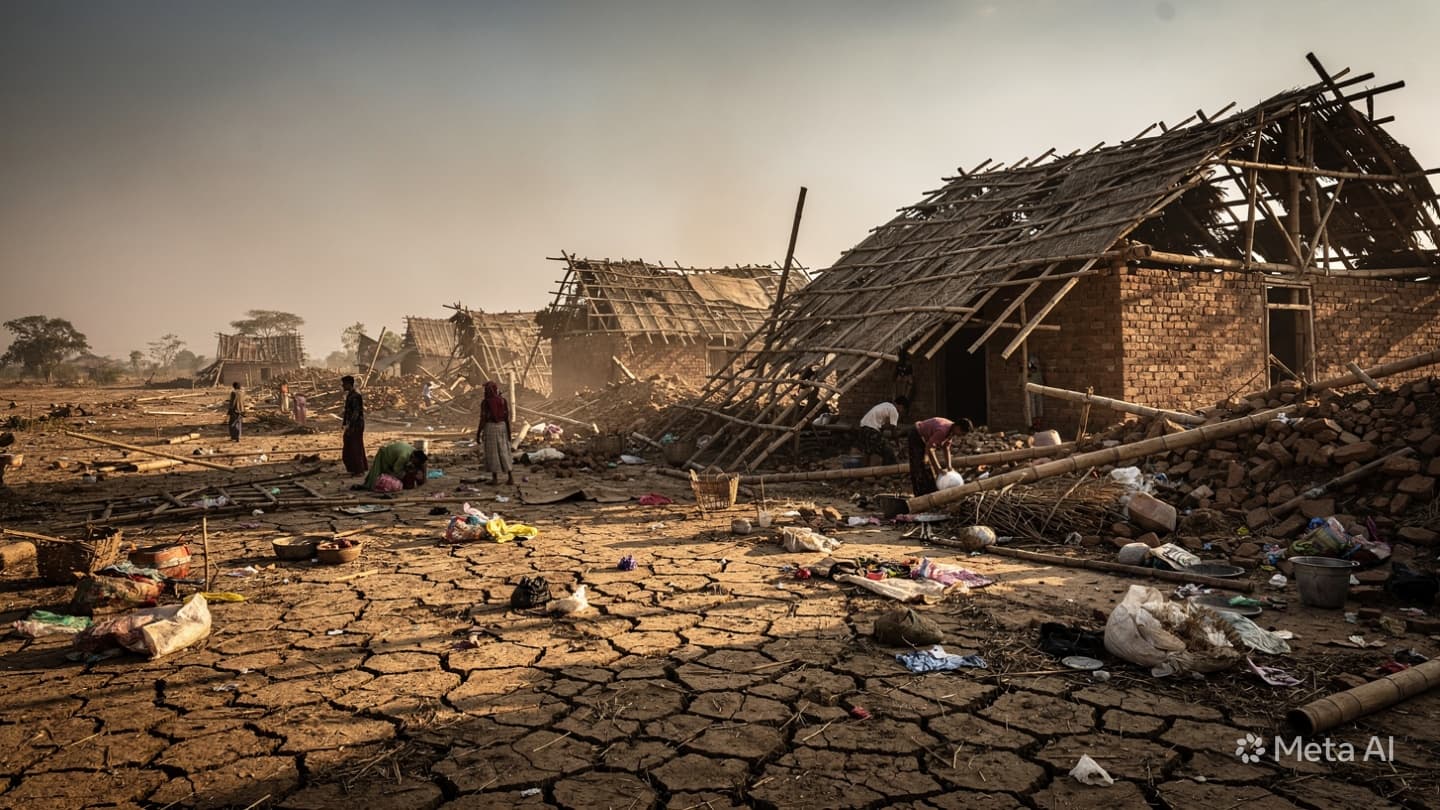
Naypyidaw, Myanmar—A powerful, high-magnitude earthquake struck central Myanmar early this morning, causing widespread devastation and leaving a staggering death toll that has surpassed 2,000. The quake, which hit at dawn, caught many residents off guard, leading to the collapse of entire villages and significant infrastructure damage across the region.
Witnesses described the terrifying moment as the ground shook violently, with buildings crumbling around them. Survivors recounted a deafening roar followed by chaos as their neighborhoods were reduced to rubble. The destruction has left thousands trapped beneath the debris of homes and administrative buildings, prompting urgent rescue operations.
Emergency teams are facing significant challenges in reaching the most affected rural areas. Many roads have been rendered impassable due to deep fissures and landslides, complicating rescue efforts. Hospitals in nearby provincial capitals are overwhelmed, with patients filling hallways as medical staff struggle to cope with the influx of casualties.
In response to the crisis, government officials have called for international assistance, highlighting a critical shortage of heavy machinery needed to clear debris and rescue trapped individuals. Local volunteers are working tirelessly, often with their bare hands, to search for survivors, but the window of opportunity is rapidly closing as time passes.
Communication lines have been severely disrupted, with reports from the hardest-hit areas trickling in through sporadic satellite connections. This lack of reliable information has led to widespread panic among families desperately searching for missing loved ones. The emotional toll on the community is palpable as uncertainty looms over the fate of many.
The earthquake's impact extends across several districts, including vital agricultural hubs and market towns. Power outages occurred immediately after the quake, plunging the region into darkness and leaving hospitals reliant on dwindling generator supplies. The situation is dire, with many facilities unable to provide adequate care without electricity.
Military and local aid organizations are attempting to coordinate a response from the capital, but the scale of the disaster has made efforts fragmented and slow. In light of the extensive damage, the central government has declared a state of emergency to expedite the movement of resources and aid to affected areas.
As aftershocks continue to rattle the region, rescue crews remain focused on extraction efforts. However, the rising death toll and the precarious state of partially standing structures raise concerns that the worst may still be ahead. The community is in urgent need of support as they navigate this unprecedented tragedy.
Published by Banx Network. This article is part of the Banx decentralized media programme, powered by the BXE token on the XRP Ledger.



