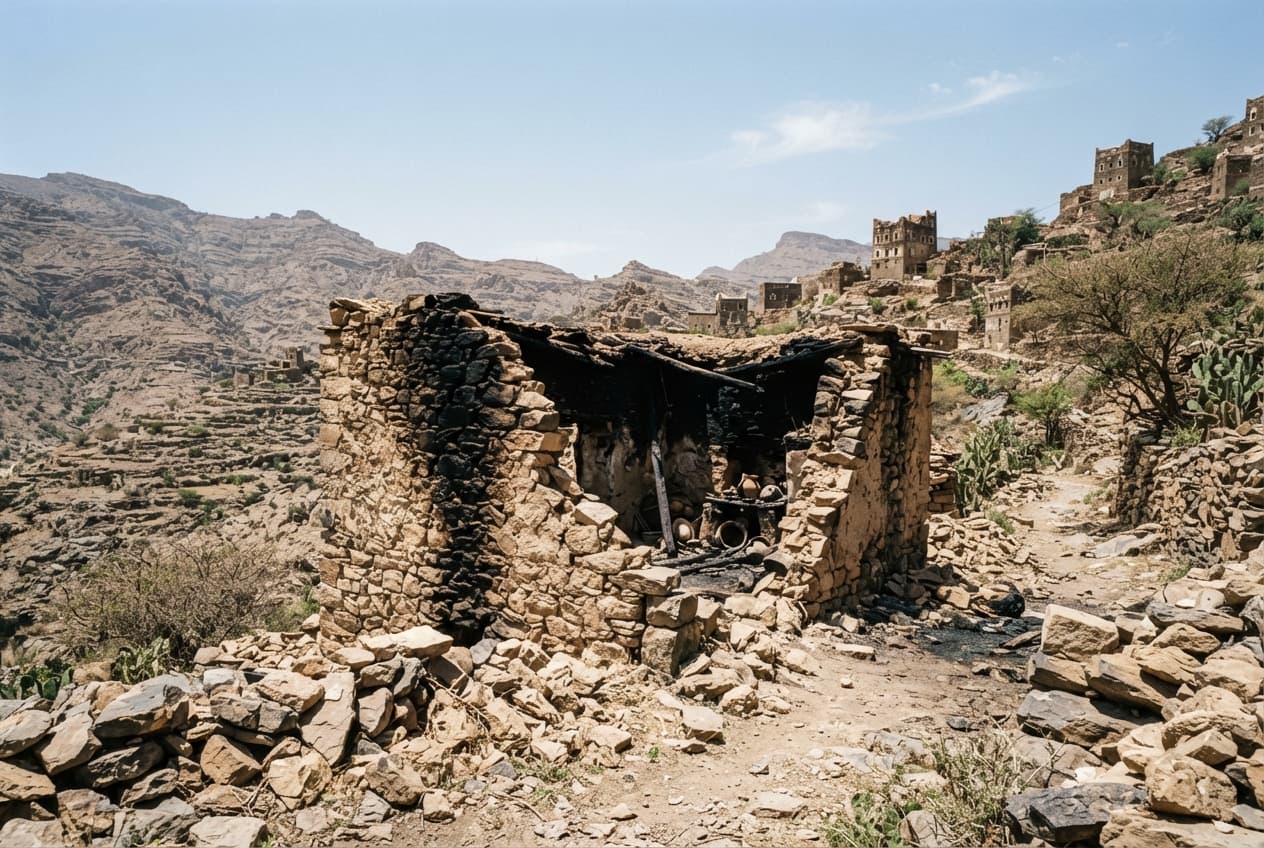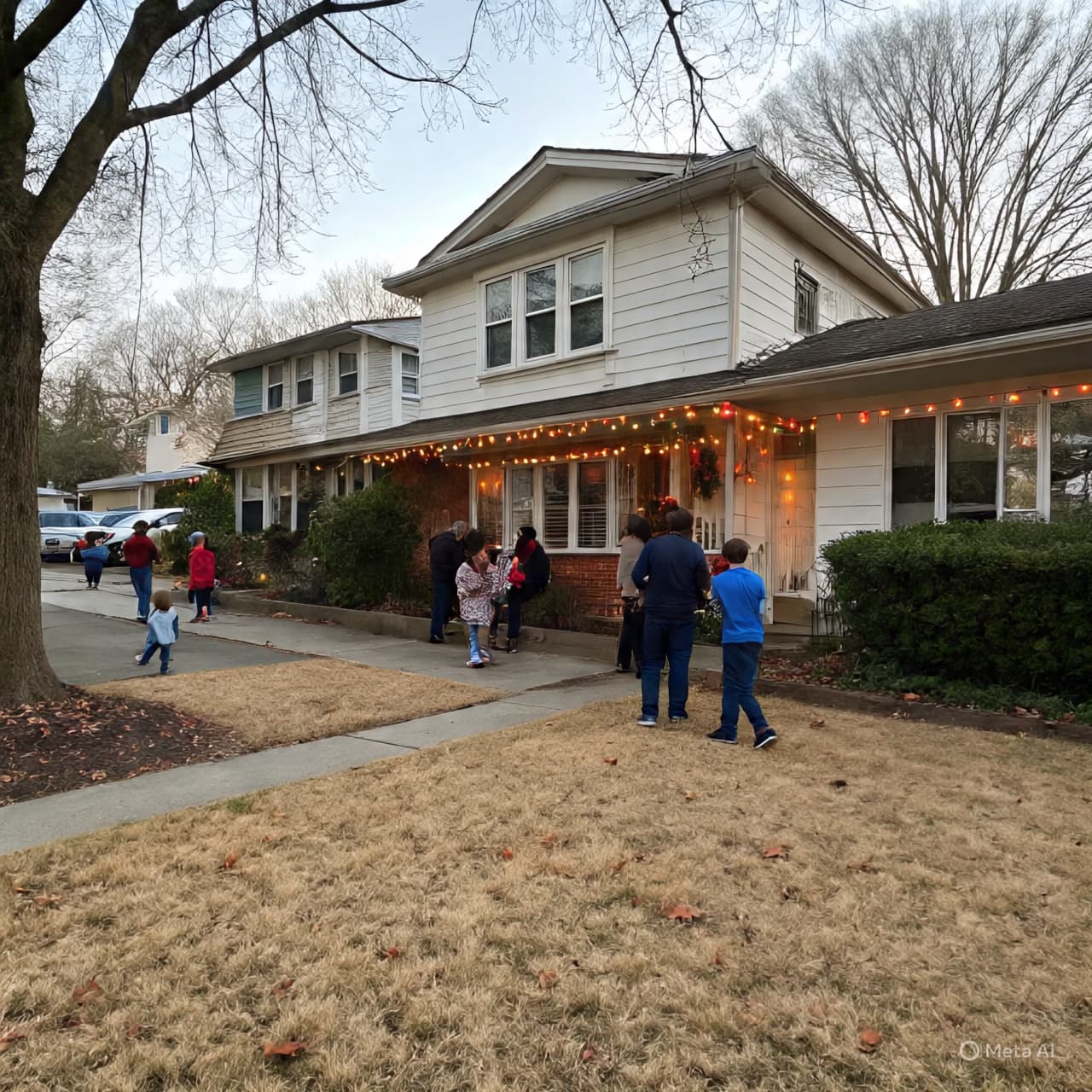
The holidays often arrive like a generous tide, filling homes with light, shared meals, and the soft music of routine joy. Yet in many towns this season, the sound of running water has taken on a quieter meaning. Faucets are turned more gently, lawns left to rest, and families pause—listening not only to what they need, but to what the land can still give.
Across drought-affected regions, water restrictions have become part of daily life, even during a time traditionally marked by abundance. Municipal rules limiting outdoor watering, car washing, or nonessential use are no longer abstract policies posted on city websites. They are lived instructions, shaping how households cook, clean, decorate, and gather. Still, rather than eroding the holiday spirit, these constraints have often revealed a quieter form of togetherness.
In many neighborhoods, adaptation has taken on a communal rhythm. Families share tips on conserving water while preparing festive meals, reusing rinse water for plants or choosing menus that demand less. Decorative traditions are adjusted with care—string lights replace inflatable displays, and drought-tolerant greenery stands in for thirsty lawns. These small decisions, repeated house by house, form a collective gesture of restraint.
Community centers and local councils have leaned into education rather than enforcement, offering guidance that emphasizes shared responsibility. Workshops, social media updates, and neighborhood meetings frame conservation not as sacrifice, but as stewardship. The message is simple and steady: water saved today is resilience preserved for tomorrow. In that framing, compliance becomes cooperation.
Children, often the most adaptable members of any household, have taken these lessons to heart. Parents describe conversations at the sink or shower that turn into quiet teaching moments, where the idea of limits is paired with empathy for others downstream. The holidays, usually a time of indulgence, become an unexpected classroom for sustainability.
Local businesses have also adjusted, especially those tied to seasonal celebrations. Restaurants highlight water-conscious practices, while event organizers rethink layouts to reduce waste. These efforts ripple outward, reinforcing the sense that conservation is not an individual burden but a shared cultural shift.
None of this erases the challenges. Restrictions require planning, patience, and occasional disappointment. Traditions are altered, and convenience gives way to consideration. Yet within these adjustments lies a subtle resilience. By choosing moderation together, communities reaffirm bonds that extend beyond any single season.
As the year turns, water restrictions remain in place, shaped by forecasts and reservoir levels rather than holiday calendars. The immediate pressures may ease or intensify, but the habits formed during this season are likely to endure. In learning to celebrate with less water, families have discovered another form of abundance: a renewed sense of connection to each other and to the fragile systems that sustain daily life.
AI IMAGE DISCLAIMER Illustrations were produced with AI and serve as conceptual depictions rather than real photographs.
SOURCE CHECK Associated Press Reuters The New York Times The Guardian NPR
Published by Banx Network. This article is part of the Banx decentralized media programme, powered by the BXE token on the XRP Ledger.