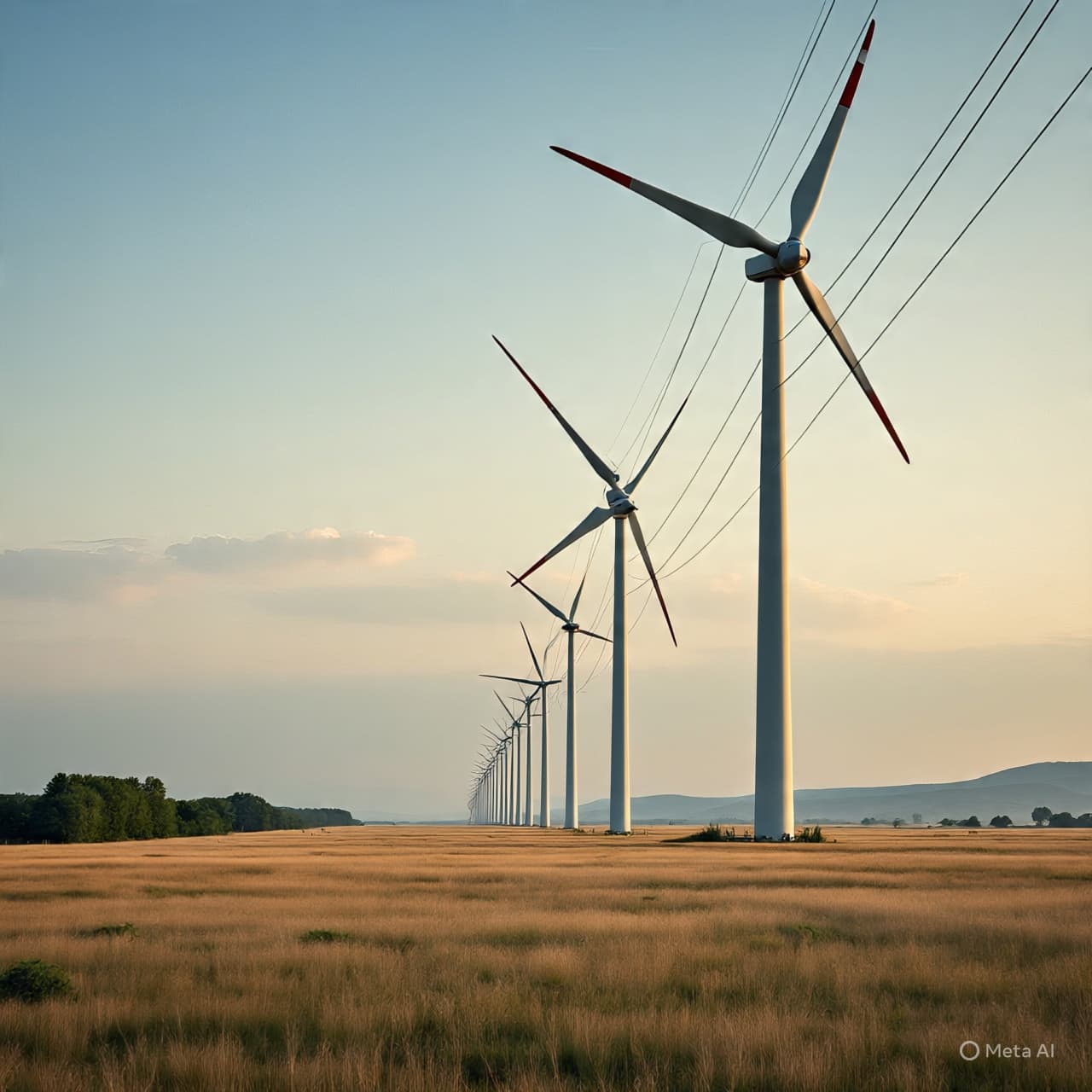
The global push toward clean energy is accelerating, but the infrastructure meant to support it is struggling to keep pace. Across multiple regions, renewable energy projects are running into a growing and costly obstacle: congested power grids that cannot absorb new supply fast enough.
Solar farms, wind installations, and battery projects are being built at record speed, yet many remain stuck in long interconnection queues, waiting months or even years for approval to connect to transmission networks. For developers, this delay turns viable projects into stranded assets. For governments, it undermines climate targets that depend on rapid deployment.
The problem is not a lack of ambition, but a grid designed for a different era. Much of today’s transmission infrastructure was built decades ago, optimized for centralized fossil fuel plants rather than dispersed renewable sources. As clean energy generation expands into remote or rural areas, the existing network struggles to move electricity efficiently to where demand is highest.
Grid congestion is now shaping investment decisions. Developers increasingly factor connection delays into project planning, sometimes shelving or downsizing initiatives altogether. In some markets, the backlog of pending renewable projects has grown so large that it threatens to stall momentum just as public and private investment reaches record levels.
Governments and regulators acknowledge the challenge, but progress remains uneven. Upgrading transmission lines, streamlining permitting processes, and coordinating cross-border infrastructure require time, political alignment, and significant capital. Without these reforms, renewable capacity may continue to outpace the grid’s ability to deliver it.
As the energy transition accelerates, the bottleneck is no longer technology or capital — it is connectivity. Until grids evolve to match the scale of clean power ambitions, the promise of a faster, greener future will remain constrained by the limits of yesterday’s infrastructure.
Published by Banx Network. This article is part of the Banx decentralized media programme, powered by the BXE token on the XRP Ledger.