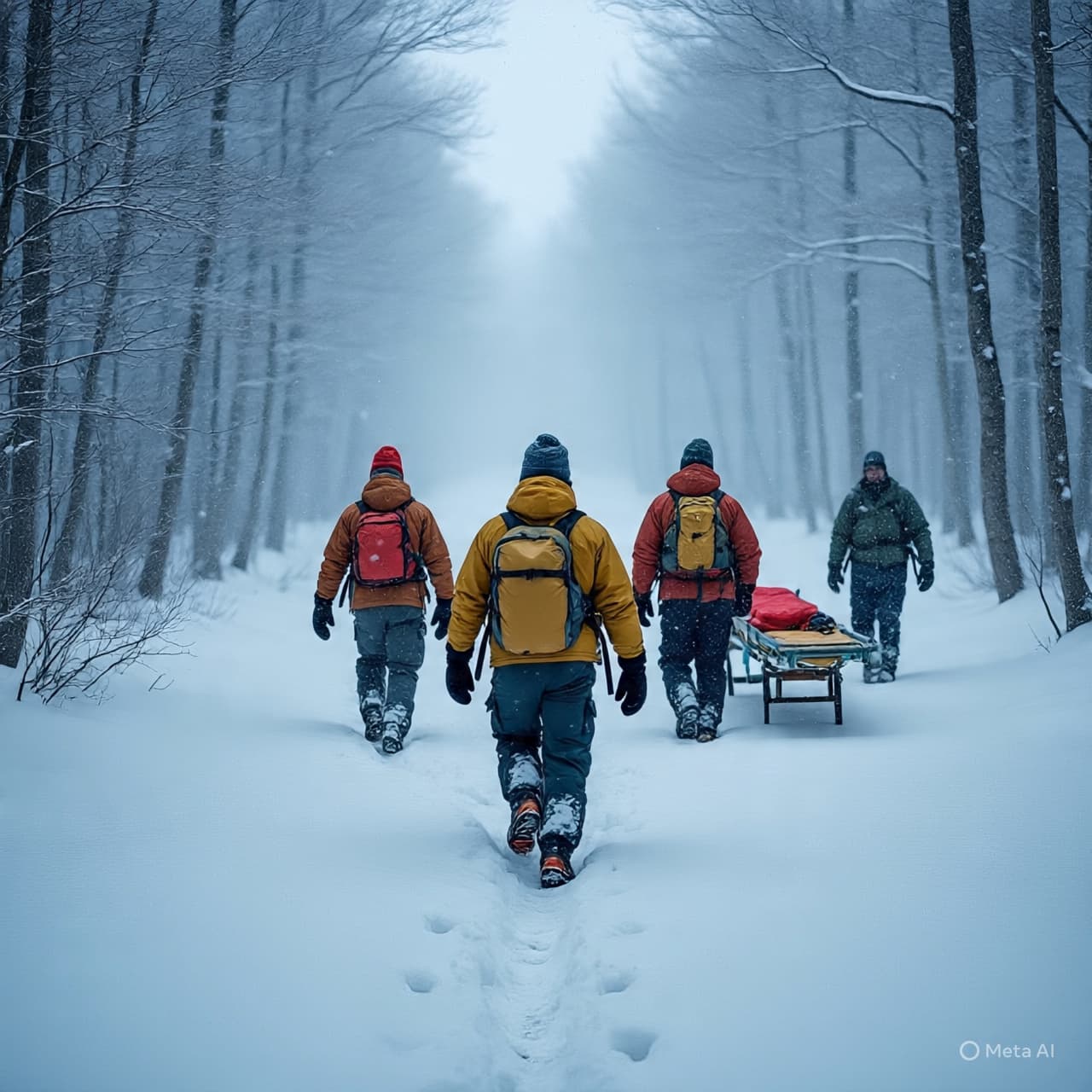
It felt, to those caught in its grip, like stepping into a white-washed dream turned nightmare — a sudden swirl of snow and wind that rushed in like a phantom, rearranging the quiet rhythms of the mountain. On a seemingly ordinary trek in Chile’s Torres del Paine National Park, an expedition meant to be a celebration of nature turned into a brutal, unforgiving test of survival.
As the group of hikers climbed through the John Gardner Pass on the “O Circuit,” a blizzard descended with terrifying speed. Winds reportedly reached up to 120 mph, and snow fell in sheets so thick that visibility vanished almost instantly. Survivors recall how the trail transformed: firm ground became treacherous ice, and familiar markers melted into a vast, featureless white. One trekker, Tom Player, described the storm as “absolutely brutal,” as if nature itself had decided to rewrite the landscape at its own whim.
In the midst of chaos, decisions mattered. According to survivors, staff at one of the camps reassured them earlier in the day that weather conditions were “normal.” But as the blizzard gathered strength, that calm turned to alarm. With no park rangers present at the critical moment — some say because staff were absent due to a regional political vote — the group felt increasingly exposed.
Amid stinging wind and freezing sleet, a handful of hikers began self-organized efforts to help one another. Player recalled wrapping a deeply hypothermic person in his sleeping bag and sharing hot water. Others slipped uncontrollably down icy slopes, struggling to stop themselves. The terrain, once a path of beauty, had become a slippery gauntlet. By the time rescuers arrived — on foot, as helicopters could not fly in such conditions — it was too late for five of their group.
The names of the dead are now known: a British woman, Victoria Bond, along with two Mexicans and two Germans. Local authorities expressed their regret. The Chilean National Forestry Corporation (CONAF) has ordered an internal investigation to assess whether safety protocols failed.
In response, Chilean President Gabriel Boric extended his condolences, praising the response teams — including Carabineros, the army, and mountain rescue units — who undertook the dangerous work of searching, evacuating, and repatriating. As recovery continues, the tragedy has sparked urgent questions about risk management in remote national parks and whether visitor guidance is always enough when nature’s temperament turns.
AI Image Disclaimer Visuals are created with AI tools and are not real photographs.
Sources: The Guardian BBC News Xinhua via Chinese state media ITIJ Travel Risk Management NationalWorld
Published by Banx Network. This article is part of the Banx decentralized media programme, powered by the BXE token on the XRP Ledger.