Key Highlights
- Death Toll:At least 27 confirmed dead due to the hurricane's impact.
- Infrastructure Damage:Widespread destruction of buildings and power lines reported.
- Emergency Response:Military and local authorities mobilizing disaster relief efforts.
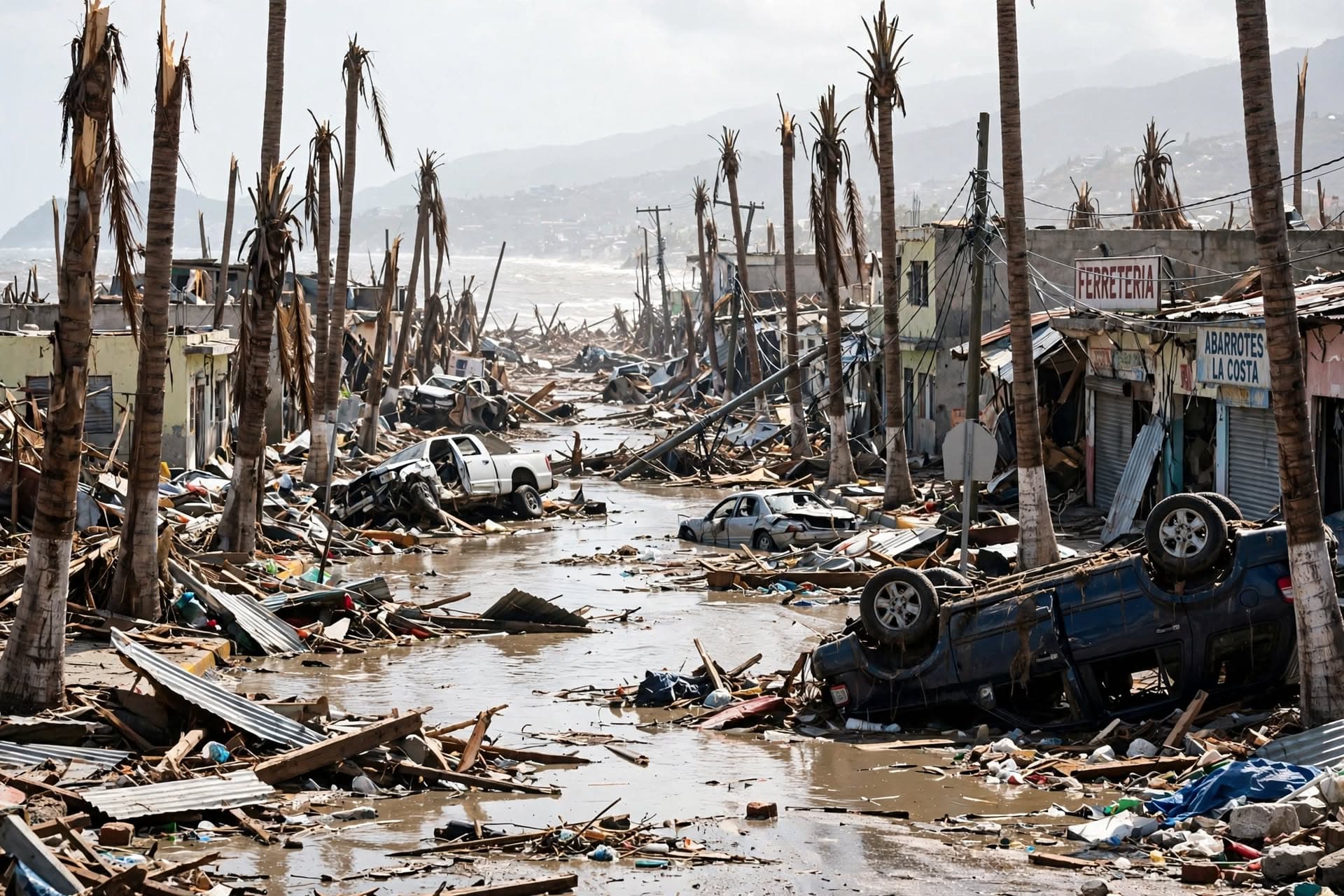
A Category 4 hurricane struck the Pacific coastline of Guerrero, Mexico, overnight, leading to the tragic deaths of at least 27 individuals. The storm, characterized by sustained winds exceeding 130 miles per hour, wreaked havoc on coastal settlements, causing extensive damage to infrastructure and leaving many residents in dire situations.
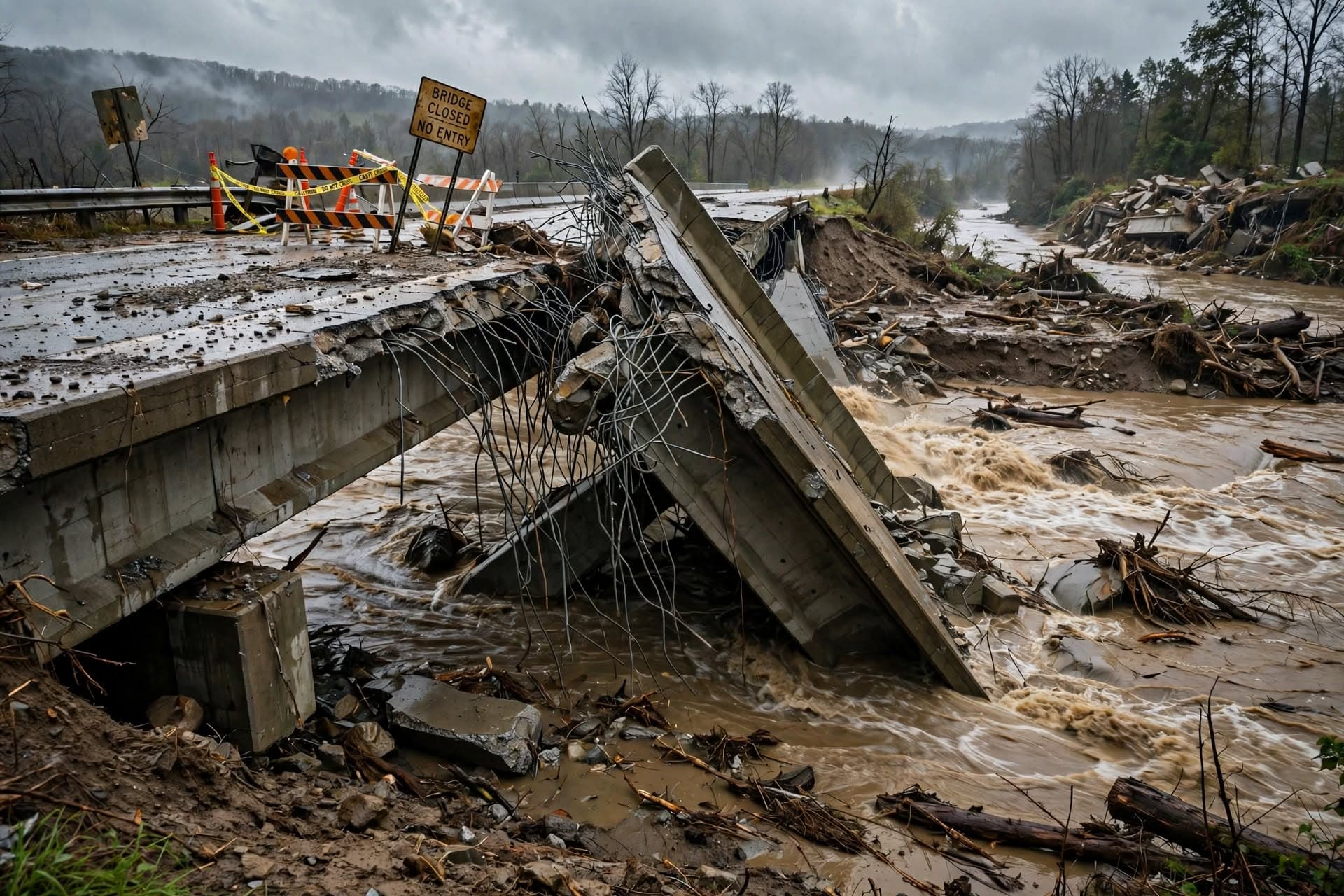
The hurricane made landfall before dawn, with its powerful winds tearing roofs off buildings and uprooting transmission towers along the main coastal highway. Floodwaters surged to depths of two meters in low-lying residential areas, sweeping away vehicles and inundating homes. The impact was immediate and devastating, with reports of shattered concrete storefronts and widespread destruction.
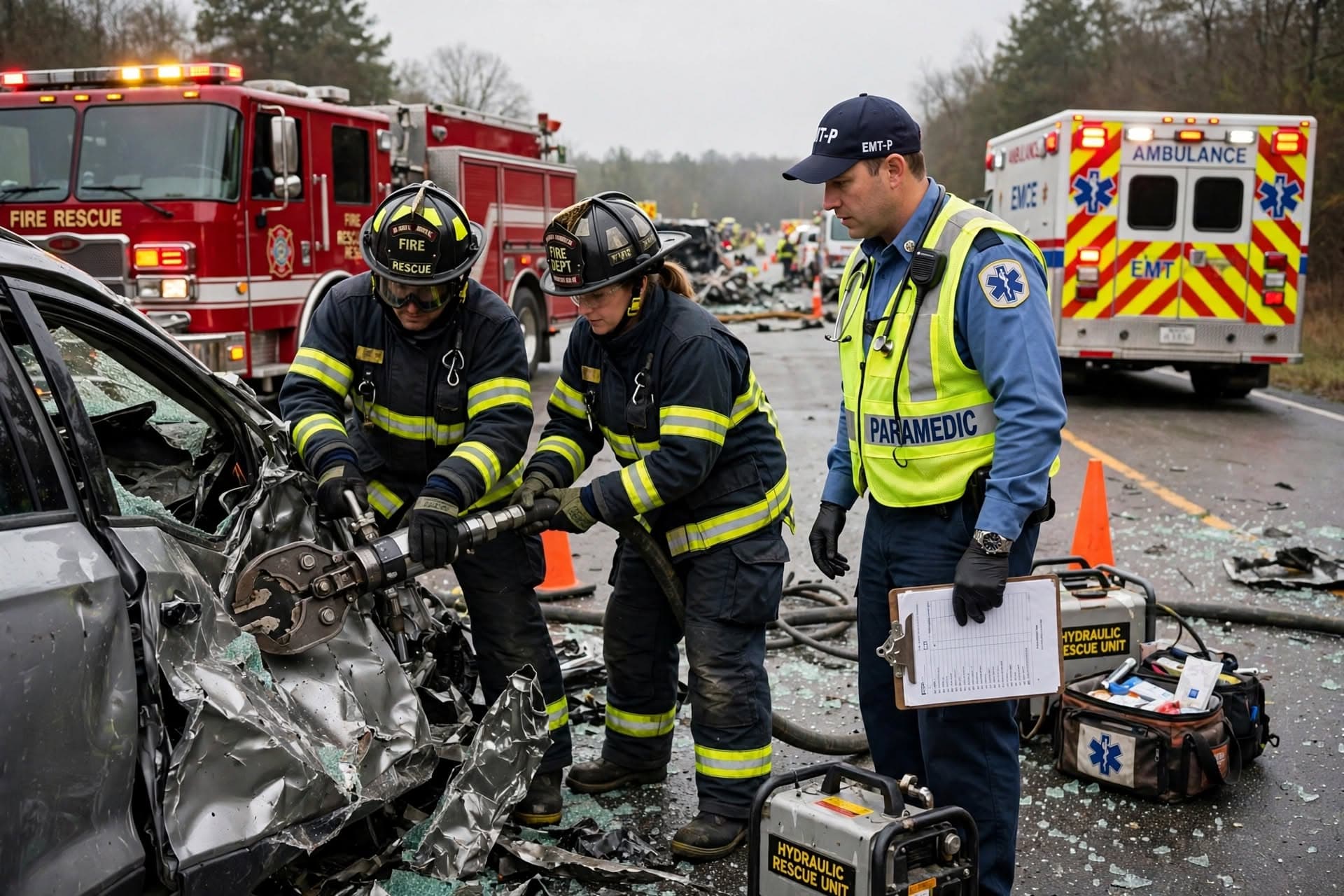
In response to the disaster, federal military forces activated disaster relief units under Plan DN-III-E early Sunday morning. Convoys carrying essential supplies, including water purification units, faced significant challenges as they navigated blocked roads due to downed power lines and thick mud. The urgency of the situation was underscored by the need for immediate assistance to affected communities.
Local hospitals struggled to cope with the influx of patients, operating on backup generators as they treated hundreds of residents injured by flying debris and structural collapses. Medical administrators reported critical shortages of oxygen supplies, raising concerns about the ability to provide adequate care in the aftermath of the storm. The situation in medical facilities was dire, with many patients relying on limited resources.
The coastal resort strip and surrounding hillside communities experienced near-total blackouts, leaving residents without electricity. Port authorities reported that several fishing vessels broke free from their moorings during the storm's peak, prompting search-and-rescue operations to locate missing crew members. The chaos left many families in distress, as communication networks remained down across hundreds of square miles, isolating neighborhoods and complicating rescue efforts.
Naval personnel were deployed to clear debris from central commercial zones, utilizing chainsaws and heavy machinery to restore access. Municipal workers focused on pumping standing water out of flooded electrical substations, aiming to restore utility services as quickly as possible. However, clearance operations were hampered by ongoing landslides, further delaying the restoration of essential services.
As rescue teams continue to search through collapsed structures along rural beach corridors, the government has begun rerouting emergency relief supplies by air to military airfields outside the most affected areas. The slow progress of clearance operations highlights the challenges faced by responders as they work to re-establish communication and provide aid to isolated communities.
The full extent of the damage is still being assessed, but the impact of this hurricane will be felt for a long time in Guerrero, as residents begin the arduous process of recovery and rebuilding.
Published by Banx Network. This article is part of the Banx decentralized media programme, powered by the BXE token on the XRP Ledger.