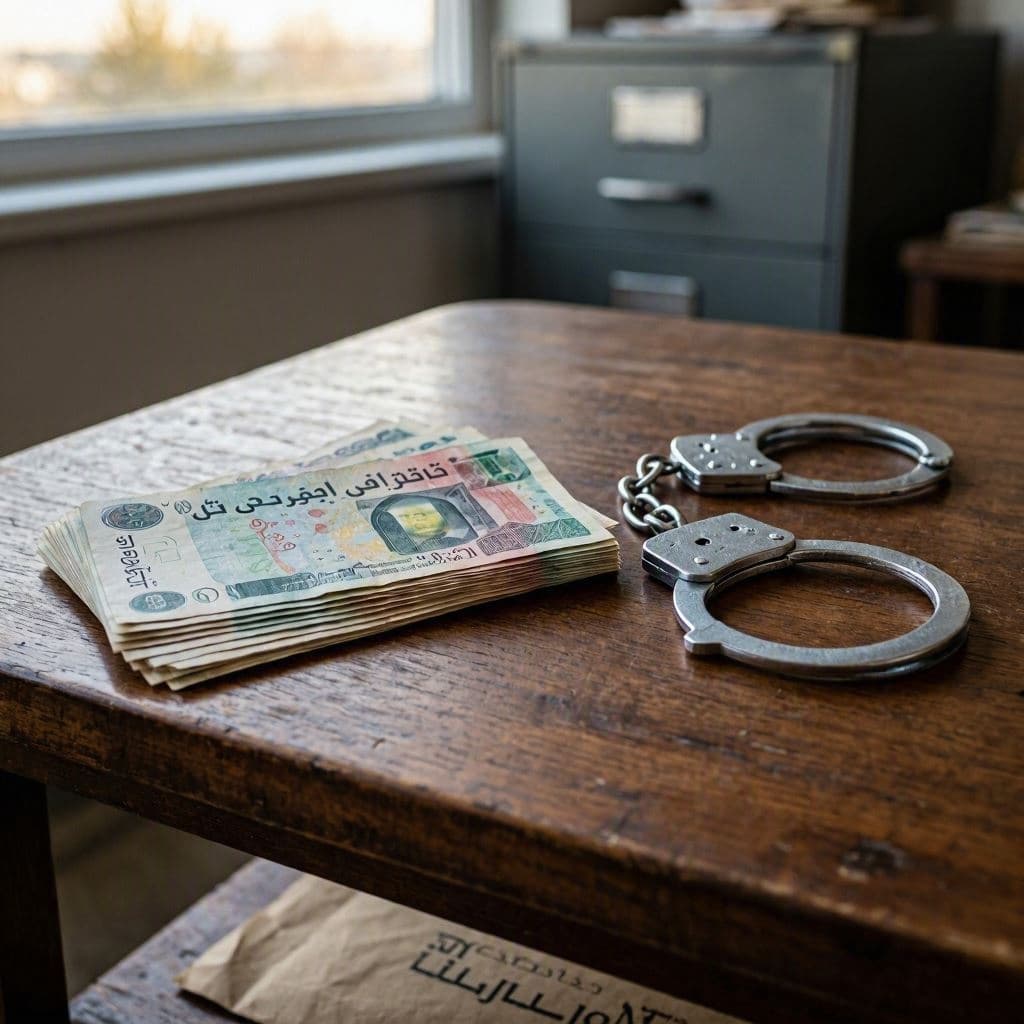
In the heart of Baghdad, where the Tigris River flows past centuries of history and modern political intrigue, a new chapter is being written with the force of dawn raids and seized banknotes. Prime Minister Ali al-Zaidi has launched a sweeping anti-corruption campaign, ordering elite security forces to arrest dozens of prominent politicians and officials. The images of cash stacks and handcuffs in the Green Zone have captured the public’s imagination, raising a hopeful question: is this finally the beginning of the end for systemic graft in Iraq?
The scale of the operation is unprecedented in recent years. Counter-terrorism units moved swiftly through fortified neighborhoods, detaining lawmakers and senior bureaucrats accused of embezzling state funds. Millions of dollars in illicit cash were recovered, a tangible symbol of the wealth that has long leaked from Iraq’s oil-rich economy into private pockets. For citizens weary of poor services and broken promises, these arrests offer a glimpse of accountability that has been elusive since the 2003 invasion.
However, skepticism remains a constant companion in Iraqi politics. Past crackdowns have often been viewed as power struggles between rival factions rather than genuine efforts at reform. The public has seen similar spectacles before, where high-profile arrests served to weaken political opponents while leaving the underlying structures of patronage intact. This time, the government insists the campaign is different, driven by a sincere desire to restore trust and normalize governance.
The concept of making Iraq "normal" is powerful. It suggests a return to routine, where institutions function without the shadow of bribery and where public resources serve the people rather than a select few. For al-Zaidi, this normalization is not just an economic imperative but a political survival strategy. By positioning himself as a reformer, he aims to consolidate support among a population that is increasingly disillusioned with the traditional political class.
Yet, the roots of corruption in Iraq are deep, intertwined with sectarian quotas, militia influence, and international interests. Dismantling this network requires more than arrests; it demands structural changes to how contracts are awarded, how budgets are managed, and how justice is administered. The current wave of seizures is a dramatic start, but sustaining momentum will require resilience against inevitable pushback from entrenched powers.
International observers watch closely, aware that stability in Iraq is crucial for regional security. A successful crackdown could boost investor confidence and improve living standards, reducing the appeal of extremist groups. Conversely, if the campaign is perceived as selective or ineffective, it could deepen cynicism and fuel further unrest. The stakes are high, not just for Iraq but for the broader Middle East.
As the legal proceedings begin, the focus shifts to transparency and due process. The public will be watching to see if those arrested face fair trials and if the recovered funds are returned to the state treasury. For now, the mass arrests serve as a potent symbol of change. Whether they signal a true transformation or merely another cycle of political maneuvering remains to be seen, but the hope for a "normal" Iraq persists.
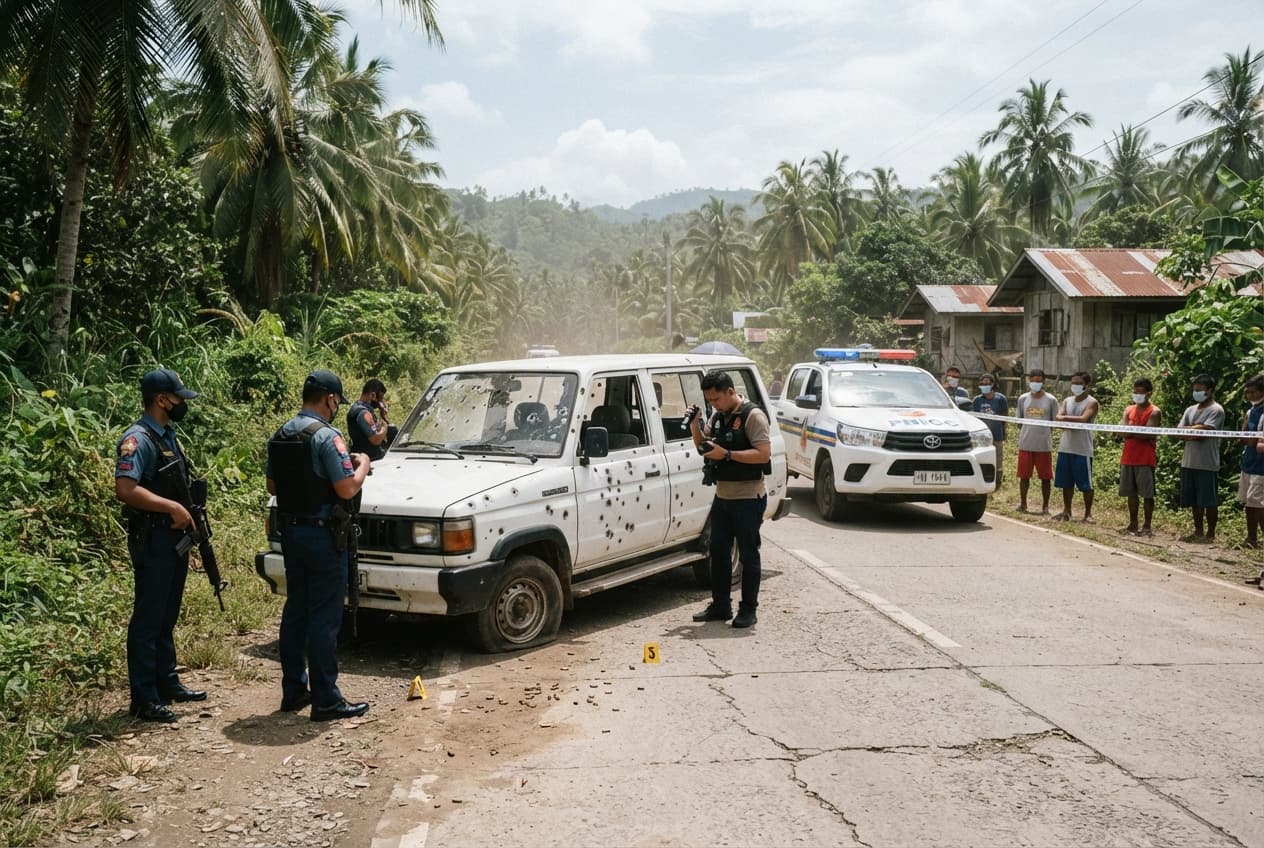
AI Image Disclaimer: The visual representations in this article are AI-generated illustrations designed to convey the themes of political reform and financial accountability.
Sources: Al Jazeera, Reuters, Long War Journal
Published by Banx Network. This article is part of the Banx decentralized media programme, powered by the BXE token on the XRP Ledger.