

Key Highlights
- Enhanced Surveillance:Australia expands monitoring for avian influenza.
- Public Health Focus:Early detection aims to prevent outbreaks.
- Collaborative Efforts:Authorities work with farmers and experts.
Australia is ramping up its surveillance efforts for avian influenza, commonly referred to as bird flu, in response to ongoing outbreaks affecting poultry and wild bird populations globally. This proactive approach is crucial for public health and agricultural safety, as it allows authorities to detect potential cases early and mitigate risks before they escalate into larger emergencies.
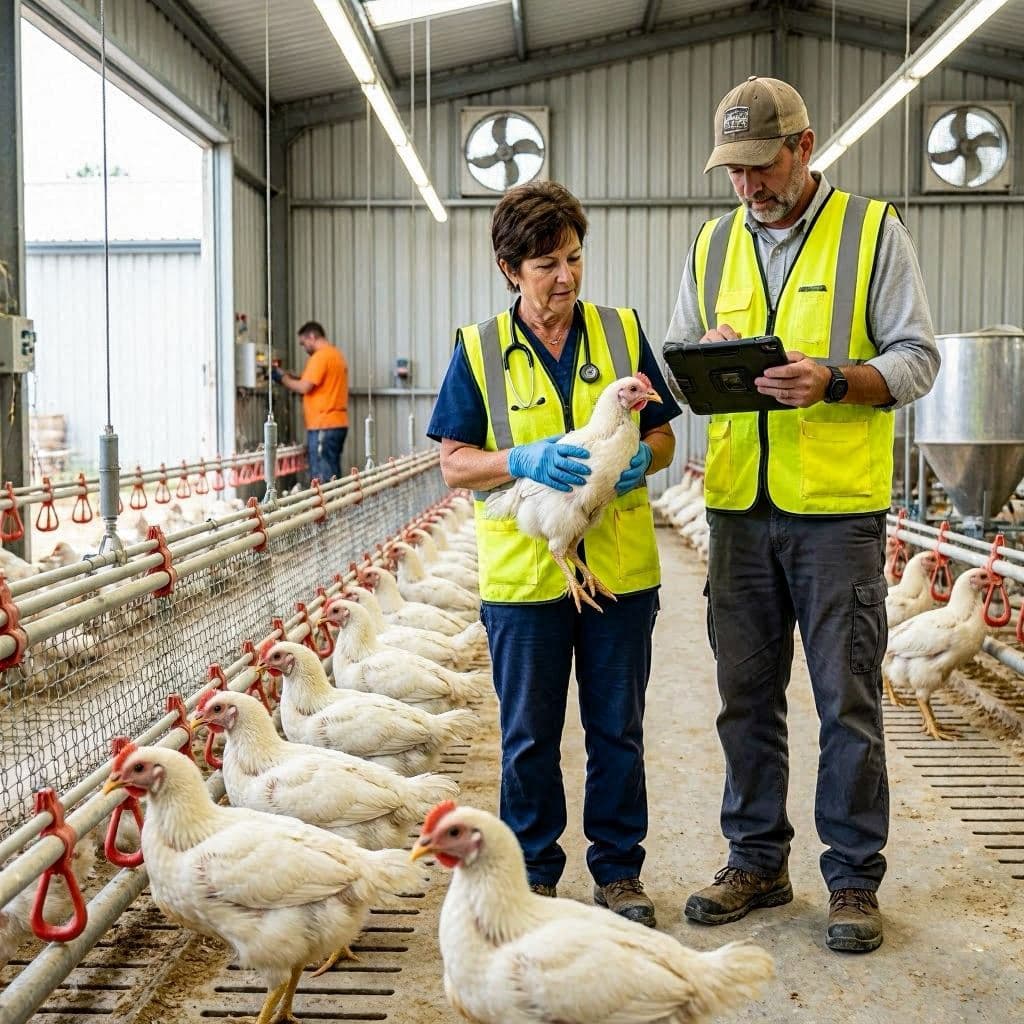
The enhanced surveillance program includes routine testing of poultry farms, inspections of wild bird populations, and laboratory analyses of suspected infections. These measures are designed to minimize the risk of widespread outbreaks that could threaten animal health and agricultural production. By identifying potential cases early, authorities can implement necessary interventions to protect both the public and the agricultural sector.
Collaboration is key in these efforts. Australian health and agricultural authorities are working closely with farmers, veterinarians, wildlife experts, and biosecurity agencies. Early reporting of unusual illnesses among birds is emphasized as one of the most effective strategies for limiting disease transmission. This cooperative approach ensures that all stakeholders are vigilant and prepared to act swiftly if any signs of infection arise.
Despite the heightened surveillance, public health experts have reassured the community that the current risk to the general population remains low. Human infections with avian influenza are rare and typically occur in individuals who have had close contact with infected birds. Nonetheless, the importance of ongoing surveillance cannot be overstated, as influenza viruses are known to evolve over time, potentially increasing the risk of transmission to humans.
Australia's commitment to biosecurity is reflected in its strict measures designed to protect the agricultural industry. Border inspections, quarantine procedures, and disease response plans are regularly reviewed and updated to ensure that the country is prepared for any emerging animal diseases. This comprehensive strategy is essential for maintaining the health of both livestock and the broader ecosystem.
Researchers are actively studying avian influenza viruses to gain a deeper understanding of their evolution and movement through migratory bird populations. This scientific collaboration with international partners enhances global monitoring efforts and improves early warning systems, which are vital for preventing outbreaks before they can spread.
In conclusion, Australian authorities are encouraging continued vigilance among all stakeholders involved in monitoring bird health. They emphasize that while the current situation does not indicate a widespread public health concern, the ongoing surveillance is a precautionary measure that plays a critical role in the country's broader biosecurity strategy. By remaining proactive, Australia aims to safeguard its agricultural industry and protect public health from potential threats posed by avian influenza.
Published by Banx Network. This article is part of the Banx decentralized media programme, powered by the BXE token on the XRP Ledger.




