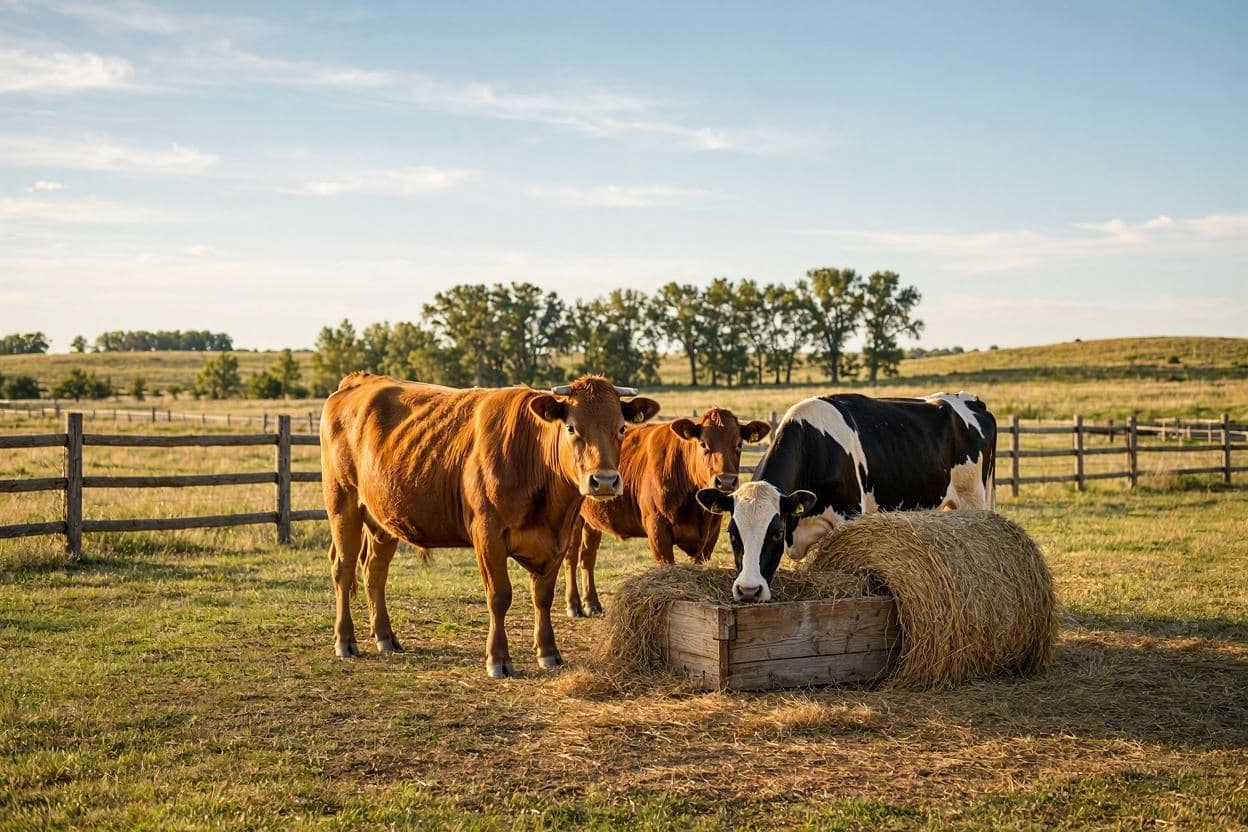
In the agricultural heartland, tradition often guides practice, but necessity drives innovation. In central Alberta, ranchers are increasingly choosing to feed their cattle with stored fodder rather than grazing them on free roadside pasture. This shift invites reflection on the hidden costs of convenience and the prioritization of animal health and safety. It is a story of careful calculation, where the value of life outweighs the allure of free resources.
Roadside grazing, once a common practice to supplement feed supplies, poses significant risks. Vehicles speeding along highways can strike livestock, leading to tragic accidents and financial loss. Additionally, roadside vegetation may be contaminated with salts, chemicals, or debris from traffic. Safety is paramount.
Ranchers are opting for controlled feeding environments, ensuring that cattle receive balanced nutrition without exposure to hazards. While this requires more labor and investment in hay or silage, it provides peace of mind and better herd management. Quality over quantity.
The decision also reflects a broader trend toward sustainable and responsible farming. By keeping animals off roadsides, ranchers reduce the risk of accidents and maintain good relations with neighboring communities. Responsibility builds reputation.
For the cattle, the change means a more consistent diet and reduced stress. Healthy animals produce better yields, supporting the long-term viability of the farm. Welfare drives productivity.
As the industry evolves, these choices highlight the professionalism and care inherent in modern ranching. It is not just about managing land but stewarding life. Dedication defines the trade.
Central Alberta ranchers are avoiding roadside pasture due to safety and health concerns, opting instead for controlled feeding methods. The shift prioritizes animal welfare and reduces accident risks. The hope is for continued sustainable practices.
AI Image Disclaimer: The images provided are AI-generated to visually represent the agricultural and economic aspects of the story.
Sources: Alberta Farmer Express Global News Calgary Country Life
Published by Banx Network. This article is part of the Banx decentralized media programme, powered by the BXE token on the XRP Ledger.