Before the first buses rumbled through Caracas, when the city’s red rooftops were only just brightening beneath the early light, there was a sense that something tender and fragile was unfolding. In a country long marked by political tension and rhythmic uncertainty, even the smallest shift — a gate opening, a voice raised, a key turning in a lock — can feel like an invitation to hope. Last Sunday, many watched that small moment arrive: an opposition leader freed after months behind bars, speaking into cameras with a steady gaze and a sense of possibility.
Juan Pablo Guanipa had spent more than eight months in custody, his time in detention shaped by the charges leveled against him in a nation where definitions of dissent and crime have often blurred. Just hours after stepping out of his cell and greeting reporters with words of confidence in a democratic future, the narrative changed in an instant. As the clock passed midnight in a quiet residential neighbourhood, a group of armed men in civilian clothing arrived in multiple vehicles and, according to the accounts of his family and allies, took him away once more into shadow.
The words of María Corina Machado, a prominent opposition leader and Nobel Peace Prize laureate, echoed across social platforms, simple and urgent: the man taken was not merely detained again but “kidnapped.” In the days that followed, details wove together a picture both stark and unresolved. His son described how unidentified, heavily armed individuals intercepted his father; rights advocates voiced alarm; and the streets of Caracas, usually so alive at dusk, held a stillness that seemed to stretch into the morning.
This moment sits against the backdrop of a larger, deeply felt tension. Only hours before his disappearance, Guanipa had appeared alongside others released as part of a broader set of prisoner releases this year — a gesture tied in part to international pressures and negotiations aimed at easing Venezuela’s political standoff. Families embraced, spirits lifted briefly, and for a few hours, there was a sense that time might be measured differently.
Yet in this place where sunlight meets shadows, hope and apprehension often travel closely together. The authorities later suggested that Guanipa’s removal was a formal move to place him under house arrest for alleged violations of his release terms, but the circumstances of that transition remain unclear and contested. For many, the urgency now is not only about the letter of the law or the framing of charges, but about the simple fact of a life unaccounted for in the quiet hours between night and day.
Caracas knows well the rhythms of tension and release, of doors opening only to close again. The disappearance of a man so recently freed has rippled through communities and political circles alike, reinvigorating questions about the nature of freedom, the reach of power, and the fragile threads that connect public life to private hope. Authorities pursue legal avenues; family and allies demand proof of life. In the streets where children chase pigeons and taxicabs crawl toward the airport, these narratives converge in a city that holds its breath between what has been and what might yet be.
As the search unfolds and news emerges, the facts — a release followed by a re-seizure in the capital of Venezuela — remain clear. What lingers in their wake is the sense of a place suspended between promise and pause, where every dawn returns the question to those waiting: what will today bring?
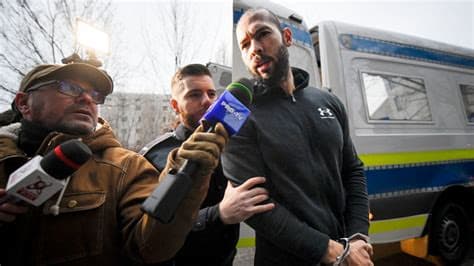
AI Image Disclaimer Visuals were created using AI tools and are not real photographs.
Sources Associated Press; Reuters; The Guardian; Times of India; ABC News.
Published by Banx Network. This article is part of the Banx decentralized media programme, powered by the BXE token on the XRP Ledger.