There is a profound humility in looking up, a quiet recognition that we are but small observers of a vast and ancient cosmos. Each year, the Royal Observatory Greenwich invites us to share in this wonder through its prestigious Astronomy Photographer of the Year competition. The announcement of this year’s finalists offers not just a gallery of stunning images, but a window into the patience, precision, and passion required to capture the celestial dance above our heads.
The shortlist features a diverse array of cosmic phenomena, from the swirling auroras of the Arctic to the intricate details of distant galaxies. These images are more than mere photographs; they are testaments to the intersection of art and science, where technical expertise meets creative vision. Photographers from around the world have spent countless nights under cold skies, battling weather and equipment challenges to bring these fleeting moments to light.
One of the standout categories focuses on our own solar system, with breathtaking shots of the Sun’s dynamic surface and the serene beauty of the Moon’s craters. These images remind us of the power and proximity of our nearest neighbors, capturing solar flares and lunar eclipses with clarity that was once the domain of professional observatories alone. The accessibility of modern technology has democratized astrophotography, allowing amateurs to contribute significantly to our visual understanding of space.
Deep space imagery also features prominently, showcasing nebulae and star clusters in vibrant hues of red, blue, and gold. These clouds of gas and dust, often invisible to the naked eye, are rendered in exquisite detail through long-exposure techniques and advanced processing. The resulting images reveal the birthplaces of stars, offering a glimpse into the processes that shape the universe over billions of years.
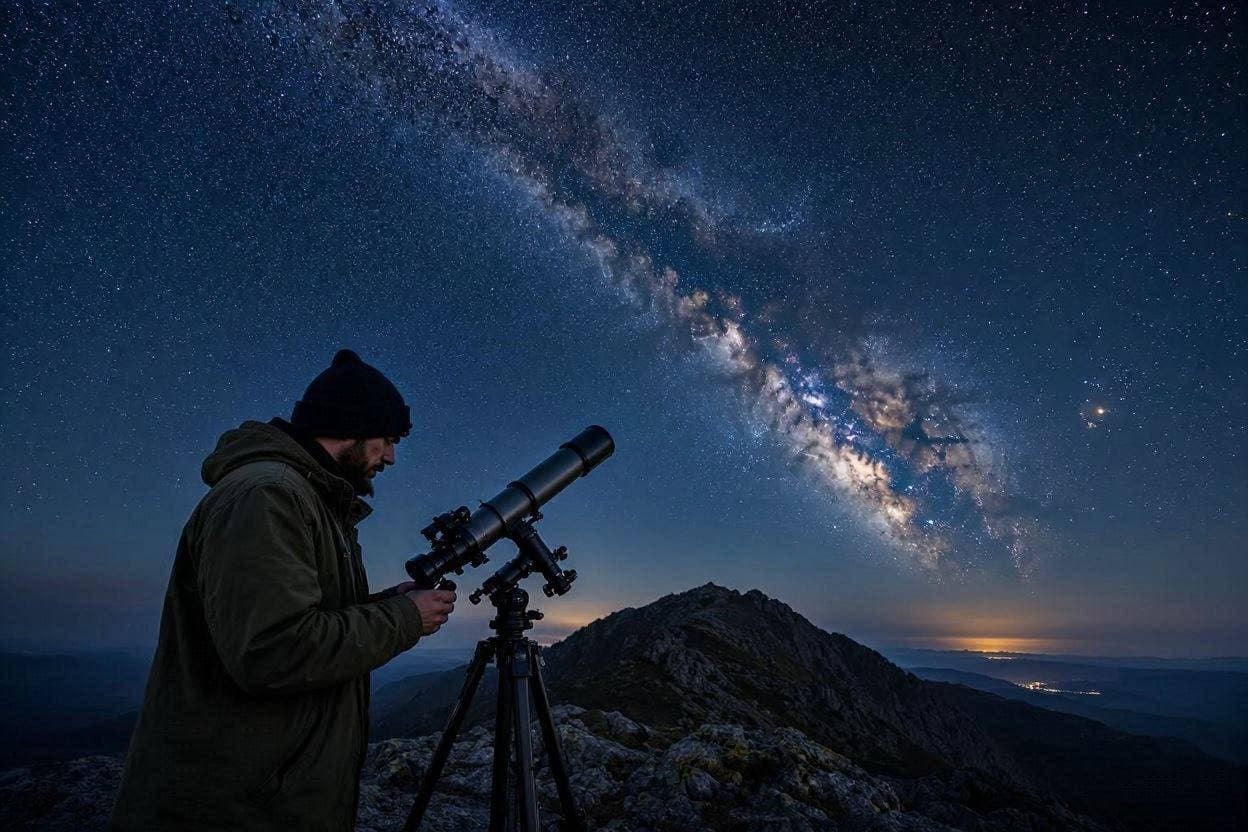
The human element remains central to the competition, with categories dedicated to people and space, highlighting the relationship between humanity and the cosmos. Images of silhouetted figures against the Milky Way or families gathered around telescopes evoke a sense of shared curiosity and connection. These photos celebrate not just the sky, but the community of stargazers who find joy and meaning in its exploration.
Judges from the scientific and photographic communities have praised the high standard of entries, noting the increasing sophistication of amateur equipment and techniques. The selection process is rigorous, evaluating images based on aesthetic impact, technical quality, and scientific accuracy. This balance ensures that the winning works are not only beautiful but also informative and respectful of astronomical reality.
As the finalists are displayed at the National Maritime Museum, they invite visitors to pause and reflect on their place in the universe. The exhibition serves as an educational tool, inspiring younger generations to look up and ask questions about the nature of light, time, and distance. It is a celebration of human curiosity and the enduring desire to understand the unknown.
The Astronomy Photographer of the Year competition continues to inspire awe and appreciation for the night sky. As we view these final contenders, we are reminded of the beauty that surrounds us, even in the darkest hours, waiting to be discovered by those who take the time to look.
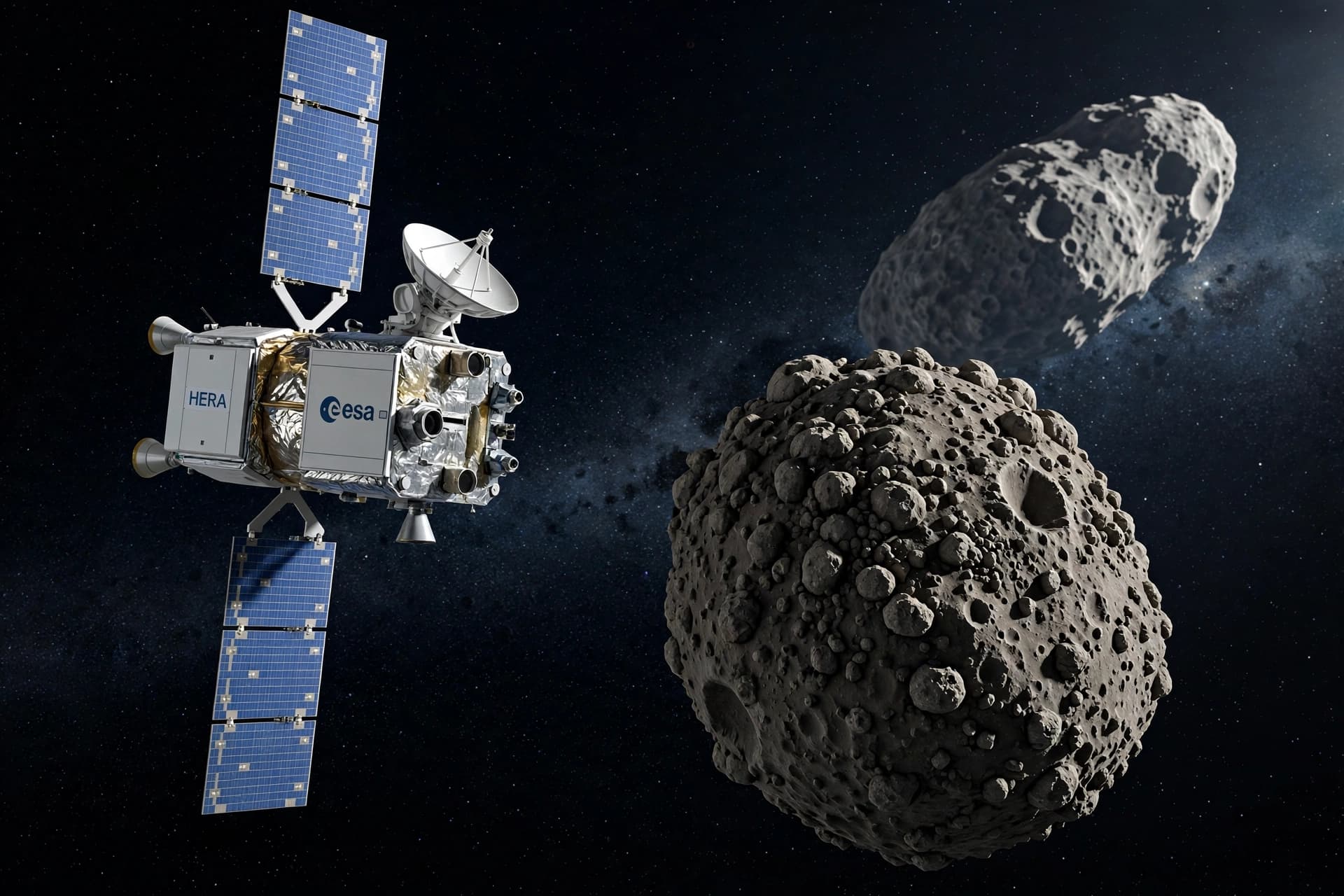
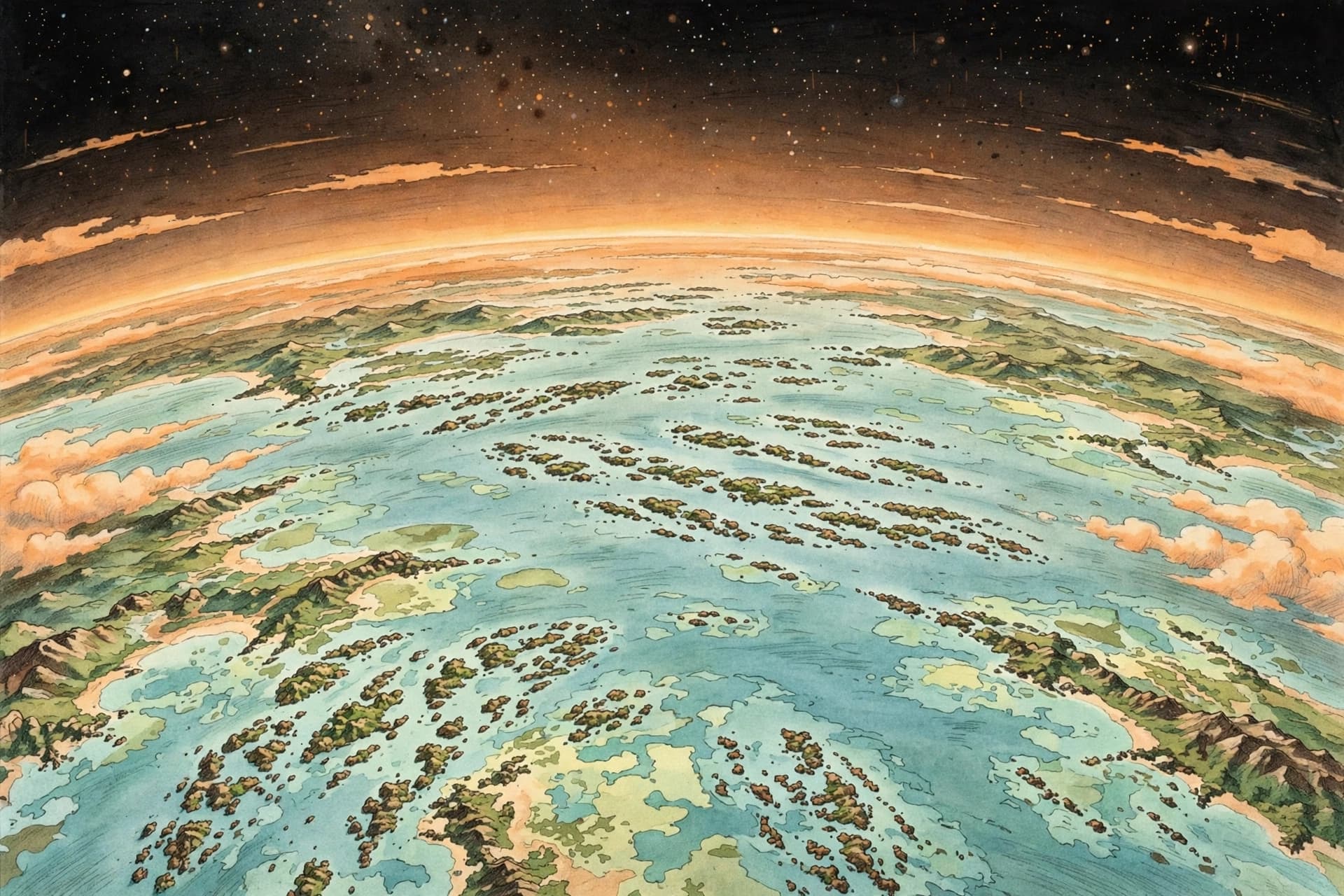
AI Image Disclaimer: The visuals accompanying this article are AI-generated illustrations designed to represent the themes of astrophotography and celestial observation.
Sources: Royal Museums Greenwich, BBC News, The Guardian, Space.com
Published by Banx Network. This article is part of the Banx decentralized media programme, powered by the BXE token on the XRP Ledger.