Guatemala has been plunged into a profound security crisis and a period of solemn national mourning following a wave of coordinated armed ambushes that left 10 police officers dead. The lethal assaults, orchestrated by highly organized criminal gangs, targeted law enforcement personnel in several urban sectors across Guatemala City, directly challenging the state’s executive authority.
The wave of violence erupted in immediate retaliation for a massive government sweep aimed at dismantling illicit networks inside the country’s maximum-security penitentiaries. As tactical units successfully disrupted communication rings run by incarcerated syndicates, external gang factions launched synchronized guerrilla-style operations against vulnerable police checkpoints and mobile patrols.
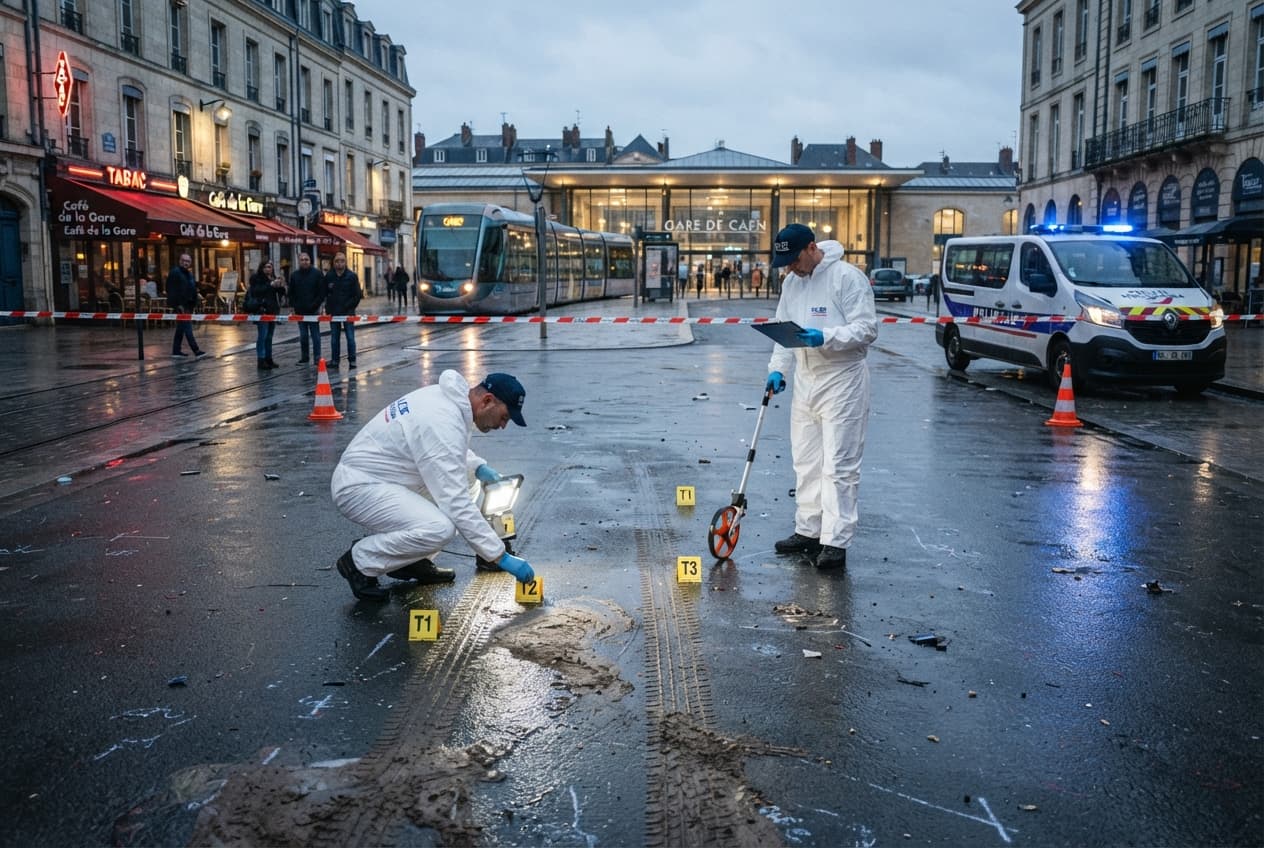
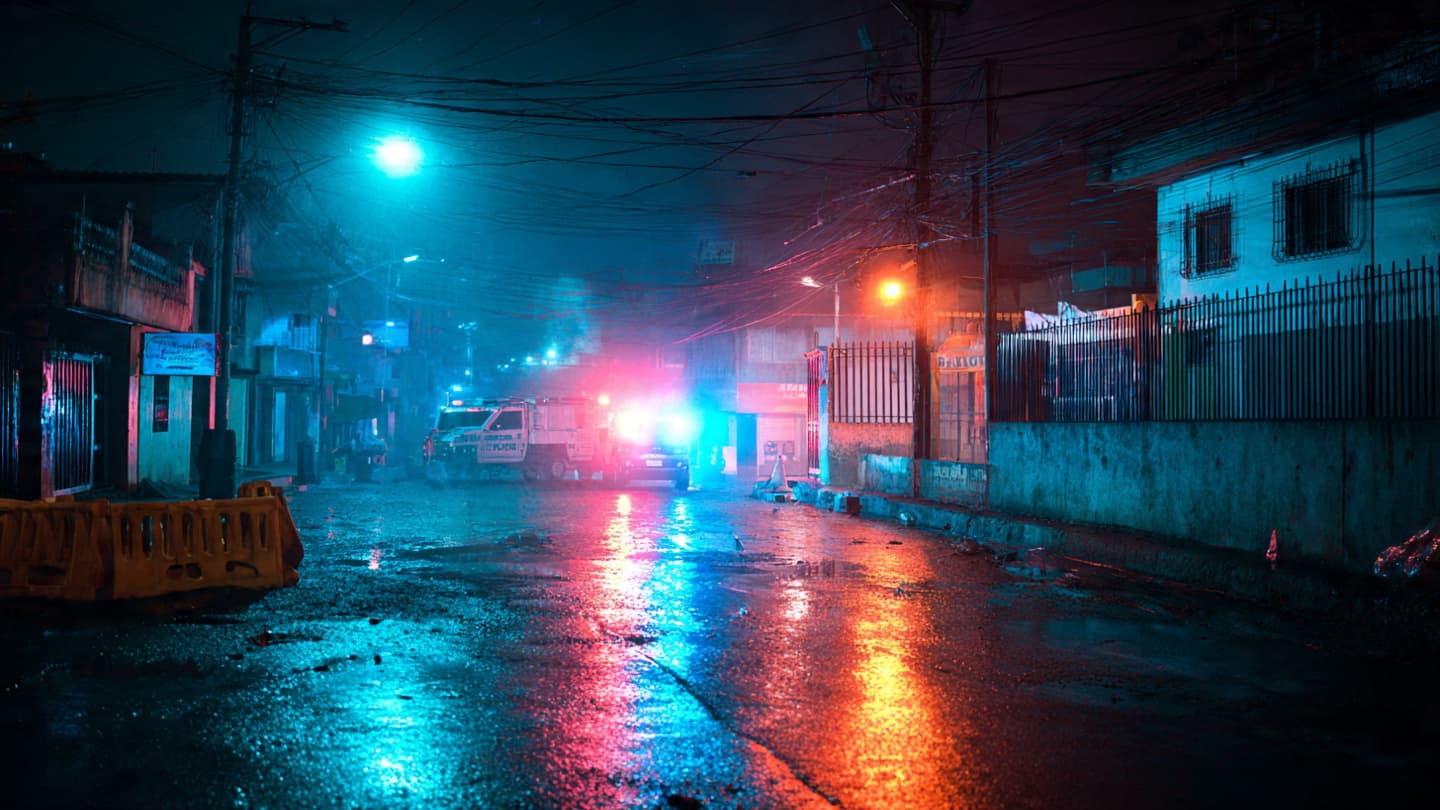
Armed with high-caliber automatic weapons, the assailants executed swift drive-by shootings and tactical blockades, trapping first responders before emergency reinforcement units could be deployed to the coordinate. The sheer scale and precision of the strikes resulted in the immediate deaths of multiple officers on the asphalt streets of the capital city.
In response to the unprecedented casualties, the President of Guatemala summoned an emergency cabinet meeting and formally declared a restrictive, 30-day national state of emergency. This sweeping executive decree temporarily suspends key constitutional guarantees, granting security forces expanded authority to conduct raids and detain suspects without prior judicial warrants.
Interior Ministry officials confirmed that the slain officers were targeted specifically because of their active roles in the ongoing anti-extortion and anti-gang task forces. Paramedics rushed several other wounded personnel to regional military hospitals, where multiple officers remain in critical condition under heavy armed guard.
Defense leaders have directed a massive deployment of the national military to reinforce the National Civil Police, sending armored transport vehicles into gang-controlled enclaves. The joint security task forces have established strict checkpoints along all major arterial routes entering and exiting the capital to intercept fleeing suspects.
Public spaces, municipal schools, and local markets across the metropolitan area remained largely deserted as terrified citizens heeded government advisories to minimize non-essential travel. The sudden escalation of lethal violence has highlighted the extensive arms-trafficking networks that continue to supply street-level syndicates with military-grade weaponry.
International bodies and regional human rights observers have expressed grave concern over the sharp degradation of public safety while urging the state to maintain legal proportionality during its sweeping counter-offensive. Meanwhile, grieving families of the fallen officers gathered at police headquarters for private memorial services, demanding permanent protection for frontline personnel.
The Ministry of Security has vowed that the state will not retreat or negotiate with the organizations responsible for the mass casualties, promising an unyielding judicial prosecution. The situation in Guatemala City remains exceptionally volatile as heavy infantry units continue their tactical neighborhood sweeps under the active emergency decree.
Published by Banx Network. This article is part of the Banx decentralized media programme, powered by the BXE token on the XRP Ledger.