
Key Highlights
- Ten police officers killed in coordinated gang attacks across Guatemala City.
- President declares a 30-day state of emergency to combat escalating violence.
- Military deployed to support police and establish checkpoints in affected areas.
Guatemala is grappling with a severe security crisis following a series of coordinated attacks that resulted in the deaths of ten police officers. These assaults, executed by organized criminal gangs, have sent shockwaves through the nation, prompting a period of national mourning and urgent government action. The attacks occurred in various urban areas of Guatemala City, directly challenging the authority of the state and raising alarms about public safety.
The violence erupted as a direct response to a significant government operation aimed at dismantling criminal networks operating within the country’s maximum-security prisons. As law enforcement agencies successfully disrupted communication channels used by incarcerated gang leaders, external factions retaliated with synchronized assaults on police checkpoints and patrols. Armed with high-caliber weapons, the attackers executed swift drive-by shootings and set up tactical blockades, resulting in the immediate deaths of several officers.
In light of the unprecedented loss of life, President of Guatemala convened an emergency cabinet meeting and declared a 30-day state of emergency. This decree suspends certain constitutional rights, allowing security forces to conduct operations with increased authority, including the ability to detain suspects without judicial warrants. The Interior Ministry confirmed that the targeted officers were actively involved in anti-gang and anti-extortion initiatives, underscoring the risks faced by law enforcement in the line of duty.
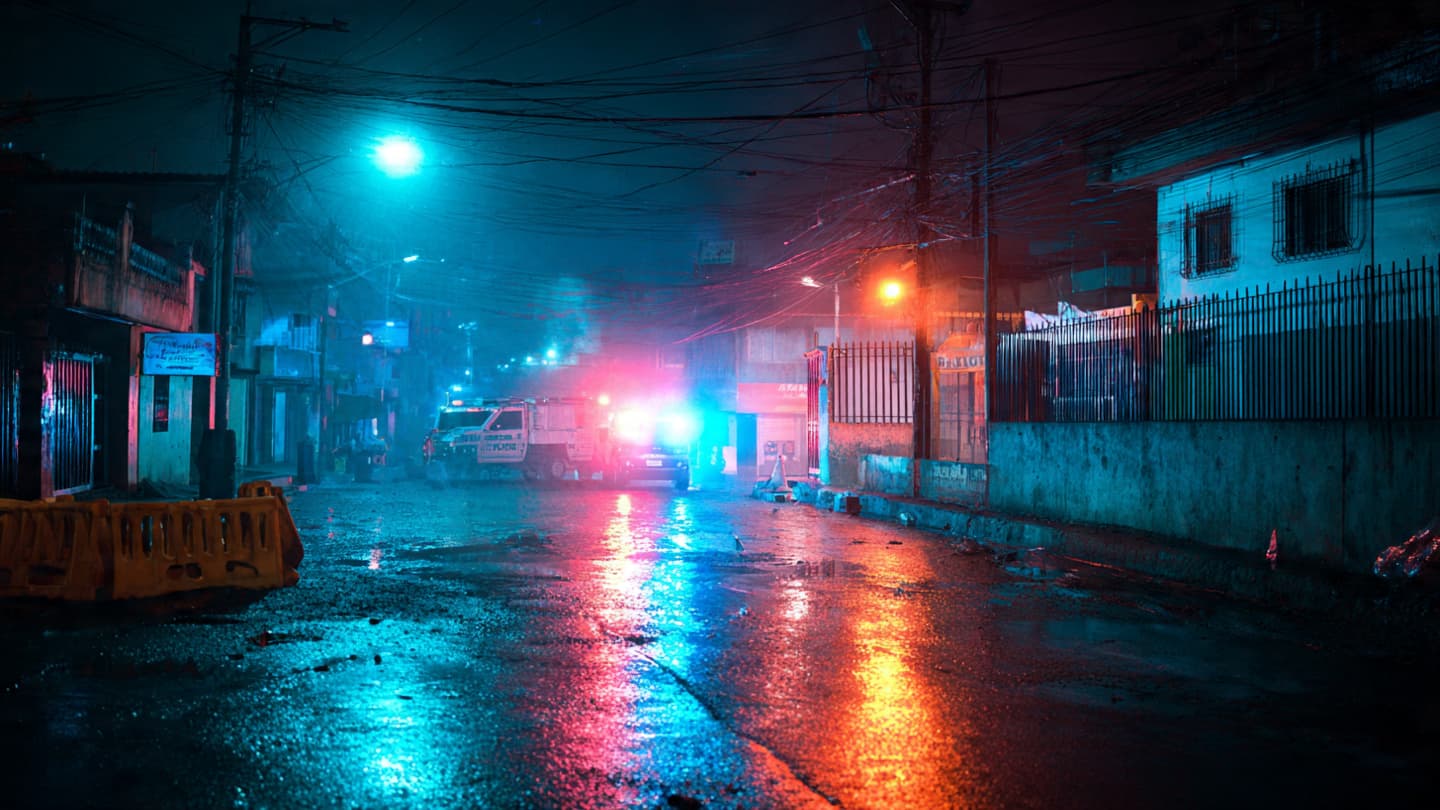
In response to the escalating violence, the Guatemalan military has been deployed to reinforce the National Civil Police. Armored vehicles have been sent into gang-controlled neighborhoods, and strict checkpoints have been established on major routes leading in and out of the capital. These measures aim to intercept fleeing suspects and restore a sense of security to the beleaguered city.
The public reaction has been one of fear and uncertainty, with many citizens heeding government advisories to limit travel. Schools and markets in the metropolitan area have seen a significant drop in activity as residents remain indoors, wary of potential violence. The recent surge in gang-related killings has also highlighted the ongoing issue of arms trafficking, which continues to supply criminal organizations with military-grade weaponry.
International observers and human rights organizations have expressed deep concern over the deteriorating security situation, urging the Guatemalan government to ensure that its response remains proportionate and respects human rights. Meanwhile, families of the fallen officers have gathered at police headquarters to mourn their loss and demand better protection for those serving on the front lines.
The Ministry of Security has pledged that the government will not negotiate with the gangs responsible for these attacks and has committed to pursuing justice for the slain officers. As the situation in Guatemala City remains tense, military and police forces continue their operations under the emergency decree, striving to restore order and safety in the capital.
Published by Banx Network. This article is part of the Banx decentralized media programme, powered by the BXE token on the XRP Ledger.



