The government of Guatemala has officially declared a nationwide state of emergency following a series of violent armed attacks that left at least five people dead in the capital's periphery. The executive declaration comes as public safety networks struggle to contain a sudden, aggressive spike in urban guerrilla tactics employed by rival transnational street gangs.
The lethal incidents occurred in rapid succession across several municipal zones, where gunmen operating from moving vehicles opened fire on crowded public transit stops and local commercial establishments. The synchronized nature of the gunfire indicates a deliberate campaign to destabilize local commerce and intimidate territorial municipal authorities.
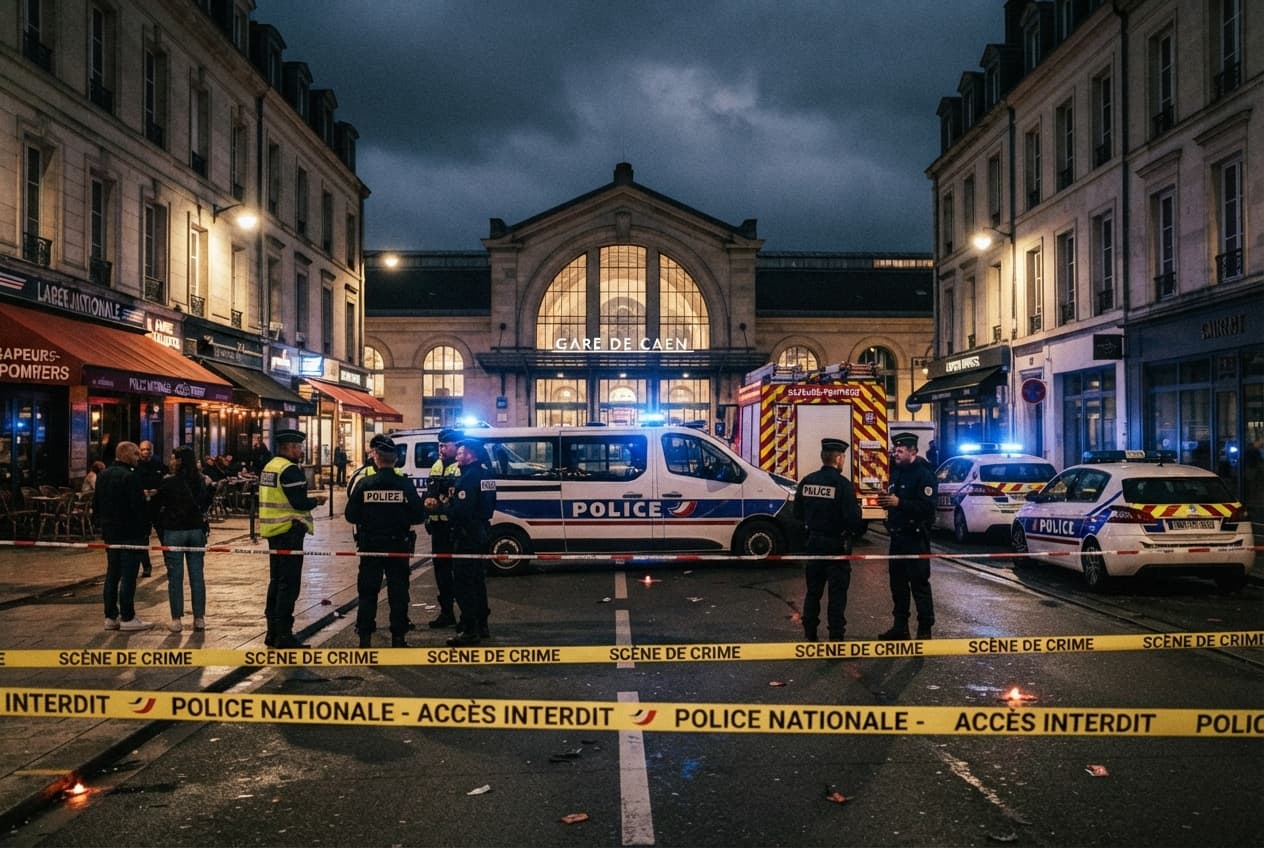
First responders arriving at the primary scene in the Villanueva district discovered three victims deceased on the pavement, while two others succumbed to severe ballistic wounds shortly after arriving at local emergency clinics. Forensic ballistics teams recovered dozens of shell casings belonging to military-grade rifles, highlighting the advanced firepower currently held by the attackers.
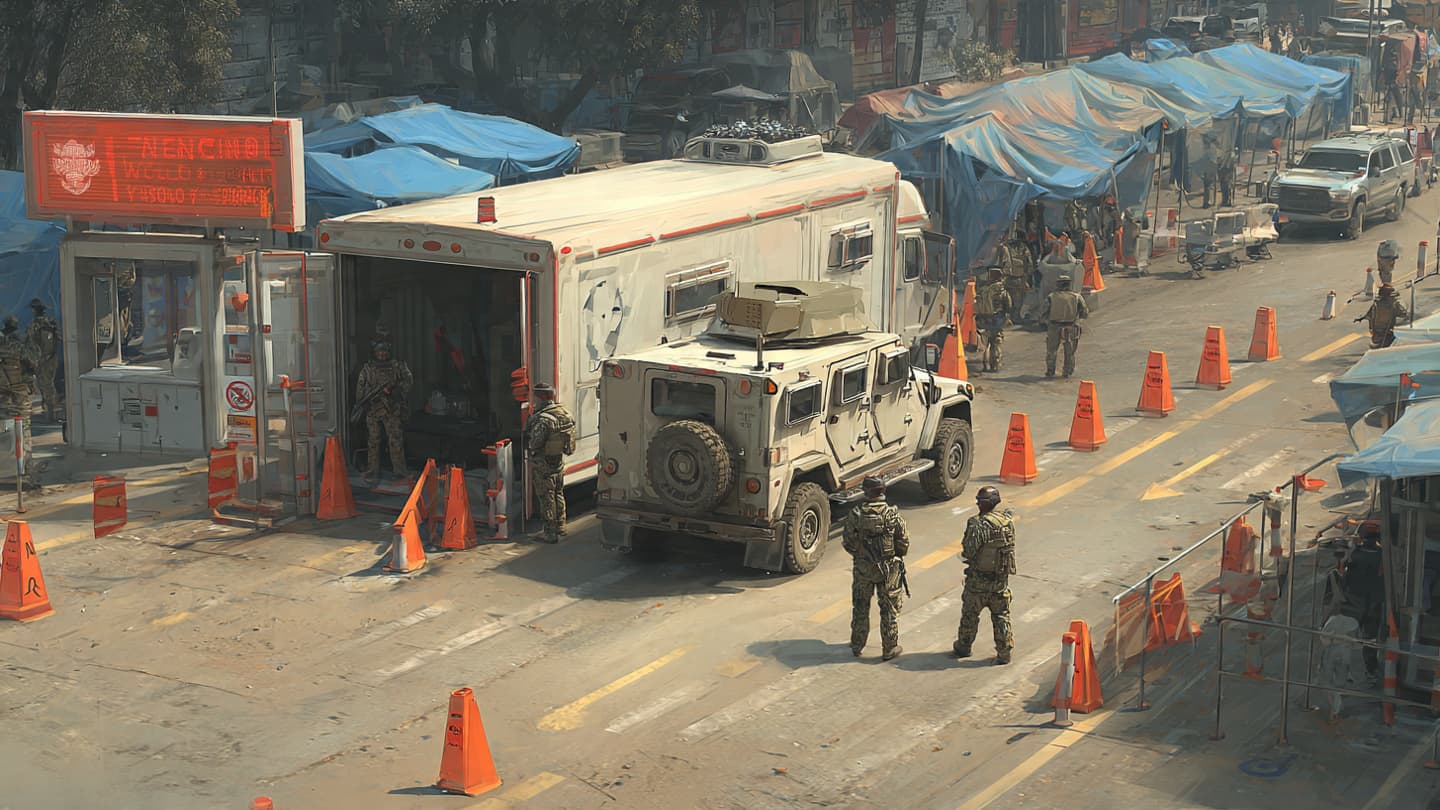
The newly enacted state of emergency grants federal law enforcement units the legal authority to establish arbitrary checkpoints, monitor private communications, and conduct home searches without a judicial warrant. The President defended the aggressive administrative measures during a televised national address, stating that the preservation of civil life required extraordinary defensive interventions.
National Civil Police units, supported by truckloads of regular army infantrymen, have begun carving the capital into defensive sectors to restrict the mobility of the armed syndicates. Operational commanders believe the five homicides were intended to enforce compliance with illegal extortion rackets that target local transport operators.
Local business cartels and transport unions have expressed support for the heightened military presence but remain deeply concerned over the long-term economic impacts of localized curfews. Many small-scale merchants closed their storefronts early, leaving major commercial corridors entirely deserted as rumors of further armed incursions circulated on social networks.
Investigators are currently analyzing public surveillance footage captured near the shooting sites, attempting to trace the ownership records of the abandoned getaway vehicles recovered near the city limits. Federal prosecutors have established an elite, centralized task force to expedite the processing of individuals detained under the new emergency frameworks.
The humanitarian sector has issued cautious statements reminding security forces to respect basic civic rights during the implementation of the state of emergency. However, the prevailing public sentiment in the capital remains dominated by fear and a demand for swift, decisive retaliation against the criminal infrastructure.
As the 30-day emergency mandate takes immediate effect, additional military reserves are being mobilized from rural bases to reinforce the metropolitan defensive grid. The capital remains locked down under heavy security as families of the five victims prepare for private burials amid a highly militarized urban landscape.
Published by Banx Network. This article is part of the Banx decentralized media programme, powered by the BXE token on the XRP Ledger.