There are moments in a city’s rhythm when an ordinary evening becomes a kind of quiet reckoning. In Portland this past week, that moment arrived not with thunderous upheaval, but with candles held against the early dusk, soft light reflecting off faces marked by concern, contemplation, and sorrow. What began as a response to a startling incident of federal force unfolded into gatherings that drew neighbors together — some searching for calm, others voicing long-held frustrations — all beneath the winter sky that seemed too still for the emotions in the streets.
Last Thursday, a U.S. Border Patrol shooting in the Hazelwood neighborhood of Portland left two people wounded during what federal authorities described as a “targeted vehicle stop.” The Oregon Police Bureau and local officials reported the victims were identified as Venezuelan nationals who were hospitalized and in stable condition. The Department of Homeland Security said the agents fired in self-defense; local authorities and community members questioned aspects of the official account and called for a thorough and transparent investigation.
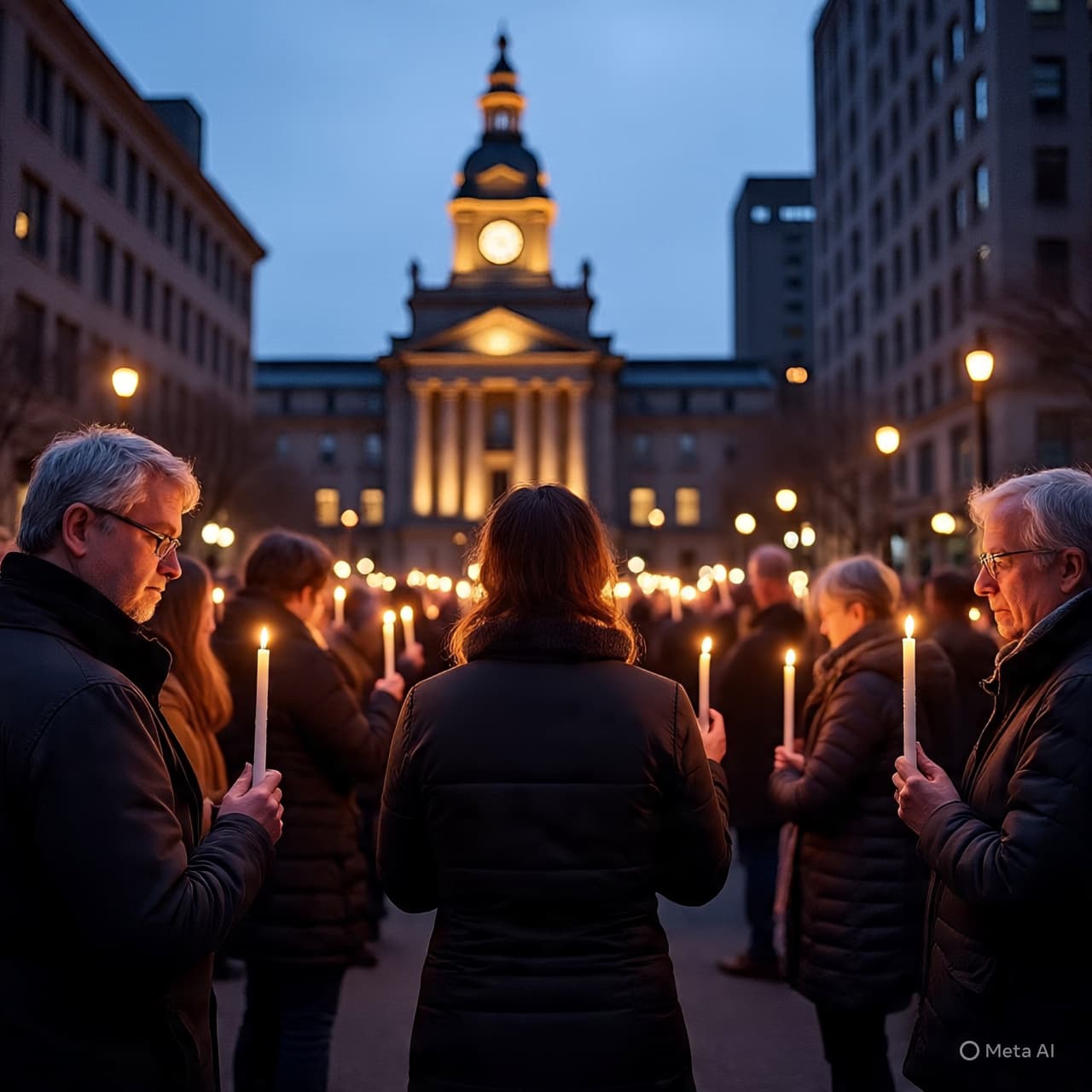
In the days that followed, the city felt the weight of that event in gatherings both hushed and resolute. On the evening of January 8, dozens of residents gathered outside Portland City Hall for a candlelight vigil. People stood close together, clutching candles that flickered in the crisp air, their collective calm contrasting with the tension of the week. Some carried signs that honored the injured and decried the use of force, while others simply listened to one another, sharing stories and prayers in quiet solidarity.
The vigils were not isolated from the broader conversation unfolding across the United States. In Minneapolis earlier in the week, the fatal shooting of a woman by an ICE agent had ignited protests under the banner “ICE Out For Good,” with events planned in cities from New York to San Diego to Portland itself. The dual incidents — one fatal, one injuring two people — have intensified discussions about immigration enforcement and the role of federal agents in local communities.
But in Portland, those discussions took shape not only in large citywide demonstrations but also in smaller community-driven moments. In one instance, a march through downtown drew people of all ages, many expressing frustration with federal policy and concern for immigrant and undocumented residents who feel especially vulnerable during heightened enforcement. Others spoke of a desire for accountability and respectful dialogue between community members and law enforcement.
City officials, including the Portland police chief, appealed for calm as protests continued into the weekend, urging residents to make their voices heard without allowing tension to escalate into violence. Local leaders emphasized the importance of peaceful engagement and reflective conversation even as emotions ran high in the wake of the shooting.
As evening fell on the city’s parks and plazas, candles still lit and conversations still unfolded, there was a sense that this moment would be remembered not for a single turning point but for how neighbors gathered — in silence, in song, in protest, and in vigil — to wrestle with what had happened and what it means for their community. In these quiet gatherings, a collective reflection took shape, echoing a broader pattern of civic engagement that stretches far beyond Portland’s borders.
AI Image Disclaimer Images in this article are AI-generated illustrations, meant for concept only.
Sources OPB OregonLive / The Oregonian Reuters Time The Guardian
Published by Banx Network. This article is part of the Banx decentralized media programme, powered by the BXE token on the XRP Ledger.