
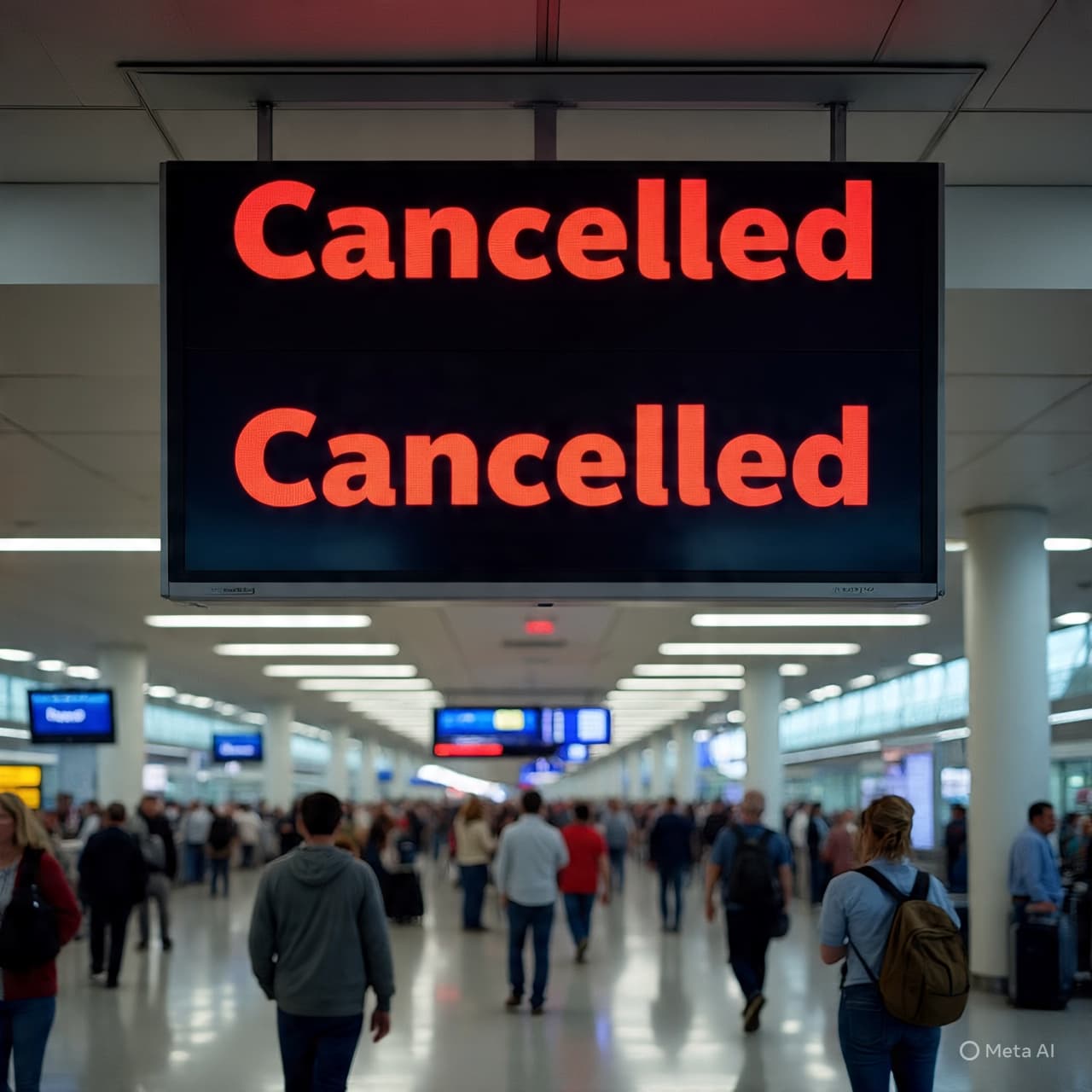
There are journeys we plan with excitement, charting routes through glittering airports and destinations that promise new horizons. Yet sometimes the skies we take for granted become unsettled — like a sea stirred by far-off winds — and travelers find themselves asking not where the plane will take them, but what to do when the departure screen simply says “Cancelled.” The current conflict in the Middle East, which has led to widespread airspace closures and flight disruptions, has turned once-familiar terminals into limbo for many, prompting questions and a need for calm, clear guidance.
When your flight is cancelled — often due to airspace closures over the Gulf and surrounding regions — the first thought may be frustration or anxiety. In these moments it helps to remember one guiding principle: let the airline make the cancellation official, rather than cancelling yourself. If you choose to cancel your own ticket before the carrier does, you might lose important rights to a refund or rebooking, and your travel insurance is unlikely to cover war-related disruptions.
As regional carriers like Emirates, Etihad, and Air Arabia suspend most flights to and from hubs in the UAE and neighboring countries, many passengers are finding themselves in crowded lounges, eyes glued to departure boards and inboxes waiting for updated notifications. Major carriers are notifying affected passengers by email and SMS before they even reach the airport, so staying connected and monitoring your booking closely can prevent unnecessary travel to terminals where no flights are currently operating.
When an airline cancels your flight, aviation consumer protection laws in many regions require that the carrier offer either a full refund or rebook you on the next available flight without additional charges. This applies whether you were booked through the airline directly or through a travel agent. In Europe and the UK, regulations like EU261 or UK261 generally mandate refunds or rebooking — though additional compensation isn’t typically offered in cases deemed “extraordinary circumstances,” such as war-related disruptions.
Government authorities in affected countries are also stepping in to support stranded passengers. The UAE, for example, has announced plans to cover hotel stays and meal expenses for visitors left in limbo by the airport closures and flight cancellations. Such measures aim to ease the inconvenience and provide a degree of comfort while normal operations remain suspended.
If your flight hasn’t yet been cancelled but you are traveling soon, one tried-and-true piece of advice is to check directly with your airline or travel agent before traveling to the airport, rather than relying solely on social media or unofficial sources. Delays and changes can happen at short notice when military tensions affect airspace.
Travel insurance is another layer worth understanding, but with caution. Most standard policies exclude coverage for “acts of war” or large-scale military conflict, meaning that cancellation or disruption linked directly to hostilities often isn’t covered. However, many insurance plans still provide help for medical emergencies, lost luggage, or unexpected accommodation costs, so reading your policy carefully can help you know what protections you do have.
In this time of disrupted skies, patience mixed with preparedness can make all the difference. Keep digital and physical copies of your booking, maintain up-to-date contact details with your airline, and follow official travel advisories from government or embassy channels. Above all, let the formal word of the airline guide your decisions — because in the midst of uncertainty, the most grounded actions are those taken with clear information and a steady mind.
AI Image Disclaimer “Visuals are created with AI tools and are not real photographs.”
Sources The Guardian, Reuters, Gulf News / Arabian Business, Euronews travel coverage, global travel advisory reporting.
Published by Banx Network. This article is part of the Banx decentralized media programme, powered by the BXE token on the XRP Ledger.


