

Key Highlights
- Canadian scientists are investigating Omega Block weather patterns.
- The research aims to understand impacts on North American weather extremes.
- Improved forecasting could aid emergency planning and public health.
Canadian scientists are turning their attention to the skies as they investigate the potential for Omega Block weather patterns to develop across North America. This research comes in the wake of Europe experiencing prolonged heat linked to this atmospheric phenomenon, raising questions about similar occurrences in Canada and their implications for local communities.
An Omega Block occurs when a robust high-pressure system becomes trapped between two low-pressure systems, creating a stable atmospheric structure that can persist for extended periods. This phenomenon can lead to unusual weather conditions, including prolonged heat, drought, and other extreme weather events. As climate change continues to influence global weather patterns, understanding these blocks is becoming increasingly critical.
Meteorologists have noted that blocking patterns are not uncommon in the Northern Hemisphere. Historical data indicates that North America has experienced similar events in the past, which have contributed to extreme heat, wildfires, and extended dry spells in various regions. The current research aims to assess how frequently these patterns occur and whether climate change is affecting their intensity or duration.
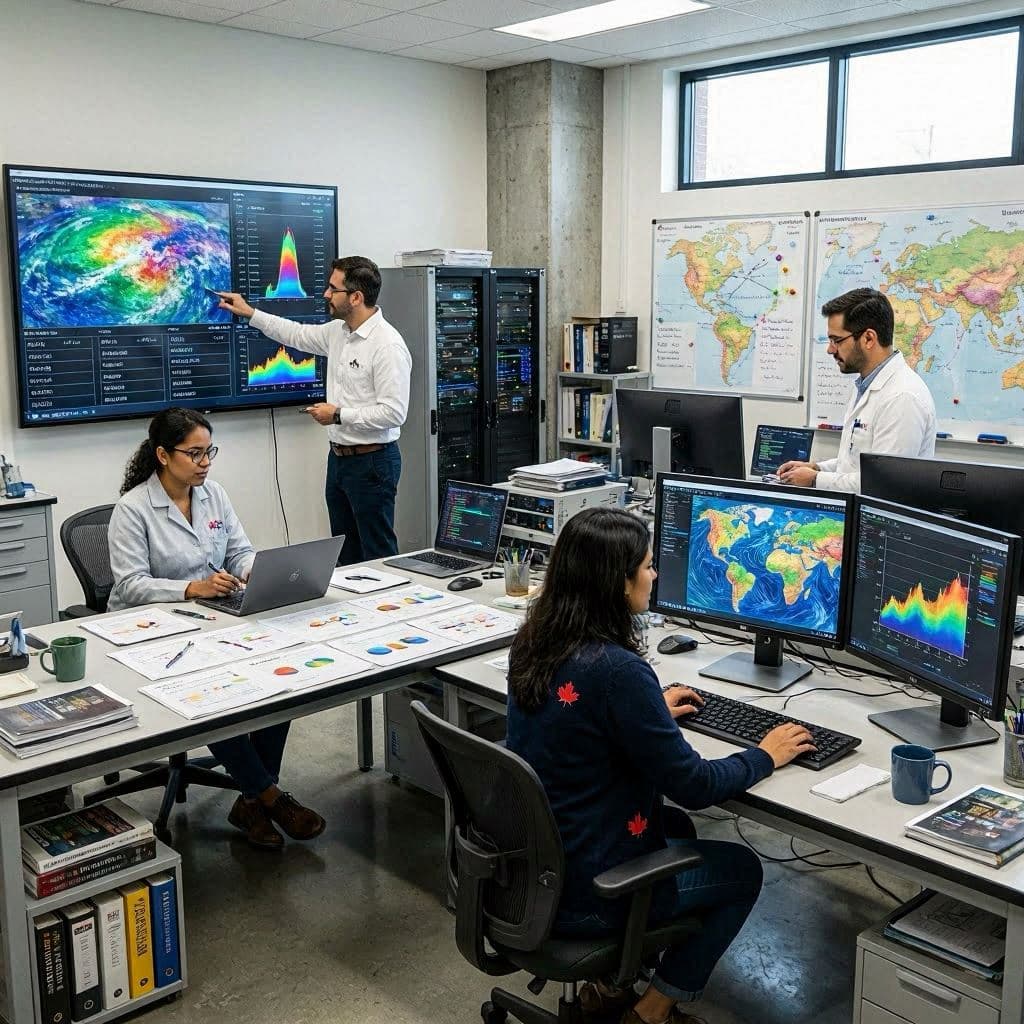
To conduct their research, Canadian climate scientists are utilizing advanced climate models, satellite observations, and historical weather records. This comprehensive approach allows them to analyze the frequency of Omega Block patterns and their potential impacts on weather extremes. The findings could provide valuable insights into how these atmospheric configurations may evolve in the context of a warming planet.
Understanding atmospheric blocking is particularly vital for Canada, a country characterized by diverse weather conditions across its vast geographic landscape. Enhanced forecasting capabilities could significantly benefit emergency planning, agricultural management, and public health preparedness, especially as communities brace for the possibility of more frequent and severe weather events in the future.
While climate experts caution against attributing any single weather event solely to long-term climate change, ongoing research continues to explore how rising global temperatures may interact with naturally occurring atmospheric processes. The collaboration among international researchers is also noteworthy, as it fosters a deeper understanding of large-scale weather dynamics that affect multiple continents.
As Canadian scientists delve deeper into the complexities of Omega Block patterns, they emphasize the importance of strengthening forecasting capabilities. This proactive approach is essential for communities as they prepare for the potential challenges posed by more frequent and prolonged extreme weather events in the years to come.
Published by Banx Network. This article is part of the Banx decentralized media programme, powered by the BXE token on the XRP Ledger.




