Key Highlights
- U.S. sanctions disrupt daily life for ICC judge Kimberly Prost.
- Prost labels sanctions an attack on international justice.
- She and other judges are suing the Trump administration over the sanctions.
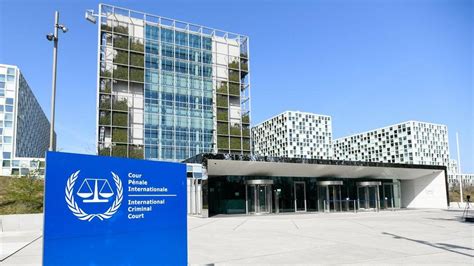
Canadian International Criminal Court (ICC) judge Kimberly Prost has publicly condemned the U.S. sanctions imposed on her, stating that they have severely disrupted her everyday life, including her access to banking and credit services. Prost characterized these sanctions as an attack on international criminal justice and the rule of law, warning that they jeopardize accountability for victims of atrocity crimes. This statement comes in the wake of sanctions imposed by the Trump administration, which were enacted following Prost's involvement in authorizing an investigation into alleged war crimes in Afghanistan.
The sanctions against Prost were part of a broader strategy by the Trump administration to exert pressure on the ICC, which it has criticized for its investigations into U.S. military actions. Prost, along with two other ICC judges, has taken legal action against the U.S. government, arguing that the sanctions interfere with their judicial responsibilities and undermine the integrity of the ICC. This lawsuit highlights the tension between national interests and international legal obligations, raising questions about the future of accountability for war crimes.
Prost's comments reflect a growing concern among legal experts and human rights advocates regarding the implications of such sanctions on the independence of international judicial bodies. The ICC, established to prosecute individuals for genocide, war crimes, and crimes against humanity, relies on the cooperation of member states to function effectively. Sanctions that target judges and officials can create a chilling effect, discouraging them from pursuing cases against powerful individuals or nations.
In her statement, Prost emphasized that the sanctions not only affect her personally but also have broader implications for victims seeking justice. "These measures risk leaving victims of atrocity crimes without the accountability they deserve," she stated, underscoring the potential consequences of political actions on the pursuit of justice.
The international community has reacted with concern to the U.S. sanctions, with many calling for a reevaluation of the relationship between the U.S. and the ICC. Critics argue that such actions undermine the principles of international law and the pursuit of justice for victims of serious crimes. As the legal battle unfolds, the implications of these sanctions will likely resonate beyond the courtroom, affecting the ICC's ability to operate and fulfill its mandate.
As the situation develops, it remains to be seen how the U.S. government will respond to the legal challenges posed by Prost and her colleagues. The outcome could set a significant precedent for the relationship between national governments and international judicial institutions, potentially reshaping the landscape of international justice.
Published by Banx Network. This article is part of the Banx decentralized media programme, powered by the BXE token on the XRP Ledger.