
Key Highlights
- Meeting in Tokyo:Canadian Defence Minister David McGuinty met with Japanese counterpart Shinjiro Koizumi.
- Interest in GCAP:McGuinty expressed Canada's desire to learn more about the Global Combat Air Programme.
- Future of GCAP:The program aims to develop a next-generation stealth fighter by 2035.
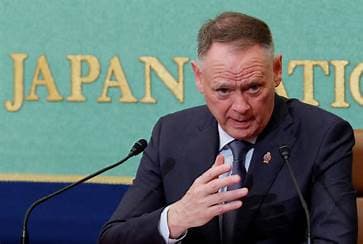
Canadian Defence Minister David McGuinty recently met with Japan's Minister of Defense, Shinjiro Koizumi, in Tokyo to discuss the Global Combat Air Programme (GCAP). This meeting marks a significant moment as it is the first time a senior Canadian official has publicly acknowledged interest in the GCAP initiative. McGuinty emphasized that Canada is keen on understanding more about the program and will relay the information back to his team for further assessment.
The Global Combat Air Programme, launched in 2022, is a collaborative effort between the United Kingdom, Italy, and Japan. The initiative aims to develop a next-generation stealth fighter jet, which is expected to be operational by 2035. In addition to the fighter, the program includes plans for advanced combat drones and enhanced data-sharing capabilities among partner nations.
During the press briefing, McGuinty described GCAP as a "promising initiative," highlighting its potential to strengthen defense collaboration among allied nations. The Canadian government has been exploring various avenues to enhance its defense capabilities, and participation in GCAP could be a strategic move in this direction.
However, any potential involvement from Canada would require the agreement of the three founding partners of the program. This aspect underscores the complexities of international defense collaborations, where multiple stakeholders must align their interests and objectives.
The discussions between McGuinty and Koizumi come at a time when global security dynamics are shifting, and nations are increasingly looking to bolster their defense partnerships. The GCAP initiative represents a forward-looking approach to air combat, integrating cutting-edge technology and collaborative strategies to address emerging threats.
As Canada evaluates its role in the GCAP, the implications of such a partnership could extend beyond military capabilities, potentially influencing diplomatic relations and defense policies in the Asia-Pacific region. The outcome of these discussions will be closely watched by defense analysts and policymakers alike, as they could signal a new chapter in Canada's defense strategy.
Published by Banx Network. This article is part of the Banx decentralized media programme, powered by the BXE token on the XRP Ledger.



