
Key Highlights
- Canada condemns Israel's plans to occupy southern Lebanon, emphasizing sovereignty.
- Over 1,072 deaths reported in Lebanon due to Israeli attacks since March.
- International calls for adherence to humanitarian laws amid escalating conflict.
Canada has issued a strong condemnation of Israel's preparations to occupy southern Lebanon, asserting that the sovereignty and territorial integrity of Lebanon "must not be violated." This statement comes in response to Israel's announced plans for a significant ground invasion that could extend up to 30 kilometers into Lebanese territory. The situation has escalated dramatically, with the Canadian government expressing deep concern over the humanitarian implications of such military actions.
Since the beginning of March, the conflict has resulted in a staggering death toll in Lebanon, with at least 1,072 individuals reported killed and nearly 3,000 wounded. The ongoing violence has also displaced over a million people, raising alarms about a potential humanitarian crisis. As Israel's ground incursion appears imminent, the urgency for international intervention and support for affected civilians has become increasingly critical.
The Canadian Ministry of Global Affairs has reiterated its solidarity with the Lebanese government and its citizens. In a statement released on Wednesday, the ministry urged all parties involved to adhere to international law and prioritize the protection of civilians. It emphasized the importance of refraining from attacks on essential infrastructure, health workers, and peacekeepers, highlighting the need for a humanitarian approach amidst the conflict.
Echoing Canada's concerns, France's Minister for Foreign Affairs, Jean-Noel Barrot, has called for Israel to halt its planned occupation of southern Lebanon. He warned that such actions would have severe repercussions for civilians, further complicating an already dire situation. The international community is increasingly vocal about the need for restraint and dialogue to prevent further escalation.
Israel's military strategy reportedly includes establishing control over a security zone extending to the Litani River. This plan aims to prevent displaced Lebanese residents from returning home until security for northern Israeli residents is assured. Israeli officials have drawn parallels to previous conflicts, suggesting a potential replication of tactics used in Gaza, which raises significant concerns about the humanitarian impact on Lebanese civilians.
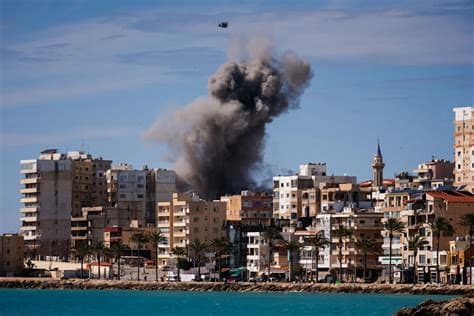
The Lebanese government has condemned the recent attacks, including airstrikes on critical infrastructure such as the Qasmiyeh Bridge. Officials assert that these strikes are precursors to a larger ground invasion, intensifying fears of widespread destruction and loss of life. As casualties continue to mount daily, unrest is also reported in northern Israel due to retaliatory actions, further complicating the regional dynamics.
The unfolding crisis underscores the complexity and severity of the ongoing conflict, highlighting the urgent need for international diplomatic engagement. As the situation deteriorates, the call for a peaceful resolution becomes increasingly vital to prevent further loss of life and to restore stability in the region.
Published by Banx Network. This article is part of the Banx decentralized media programme, powered by the BXE token on the XRP Ledger.



