Energy projects often move slowly across the political landscape, much like rivers shaping stone over long periods of time. Debates surrounding pipelines, environmental policy, and economic growth rarely settle quickly, especially in Canada, where natural resources remain deeply tied to national industry and regional employment. This week, attention turned toward Enbridge as the company signaled growing openness to a new oil pipeline proposal following developments tied to carbon policy discussions.
Reports indicated that Enbridge has become more receptive to the possibility of a new Canadian oil pipeline after what observers described as a compromise involving carbon-related considerations. The discussions reflect broader efforts to balance energy infrastructure expansion with climate commitments and emissions policies.
Pipeline debates in Canada have long involved competing priorities between economic development, environmental protection, and provincial interests. Energy companies argue that improved transportation infrastructure can strengthen export capacity and market stability, while environmental advocates continue raising concerns about emissions and ecological risks.
Industry analysts noted that carbon policy adjustments may create conditions that make future projects more politically and financially viable. Governments and energy firms across North America have increasingly explored ways to combine fossil fuel production with emissions-reduction strategies.
Enbridge, one of Canada’s largest pipeline operators, has played a central role in continental energy transportation for decades. Company officials have repeatedly emphasized the importance of maintaining reliable supply networks while adapting to evolving environmental regulations.
The renewed discussion also arrives during a period of ongoing global attention toward energy security and commodity markets. Oil-producing nations and infrastructure companies continue navigating pressure to maintain supply while responding to climate-related expectations from governments and investors.
Some analysts believe future projects may depend heavily on agreements involving carbon capture technologies, emissions targets, or offset programs designed to reduce environmental impact. Such compromises have become increasingly common in major industrial negotiations.
Canadian political leaders have often faced the challenge of supporting resource-sector employment while also advancing national climate objectives. As a result, infrastructure proposals frequently become part of larger conversations about the country’s long-term economic direction.
Enbridge has not announced a final commitment regarding any specific new pipeline development, but the company’s changing tone suggests that discussions surrounding energy expansion and carbon policy are continuing to evolve together.
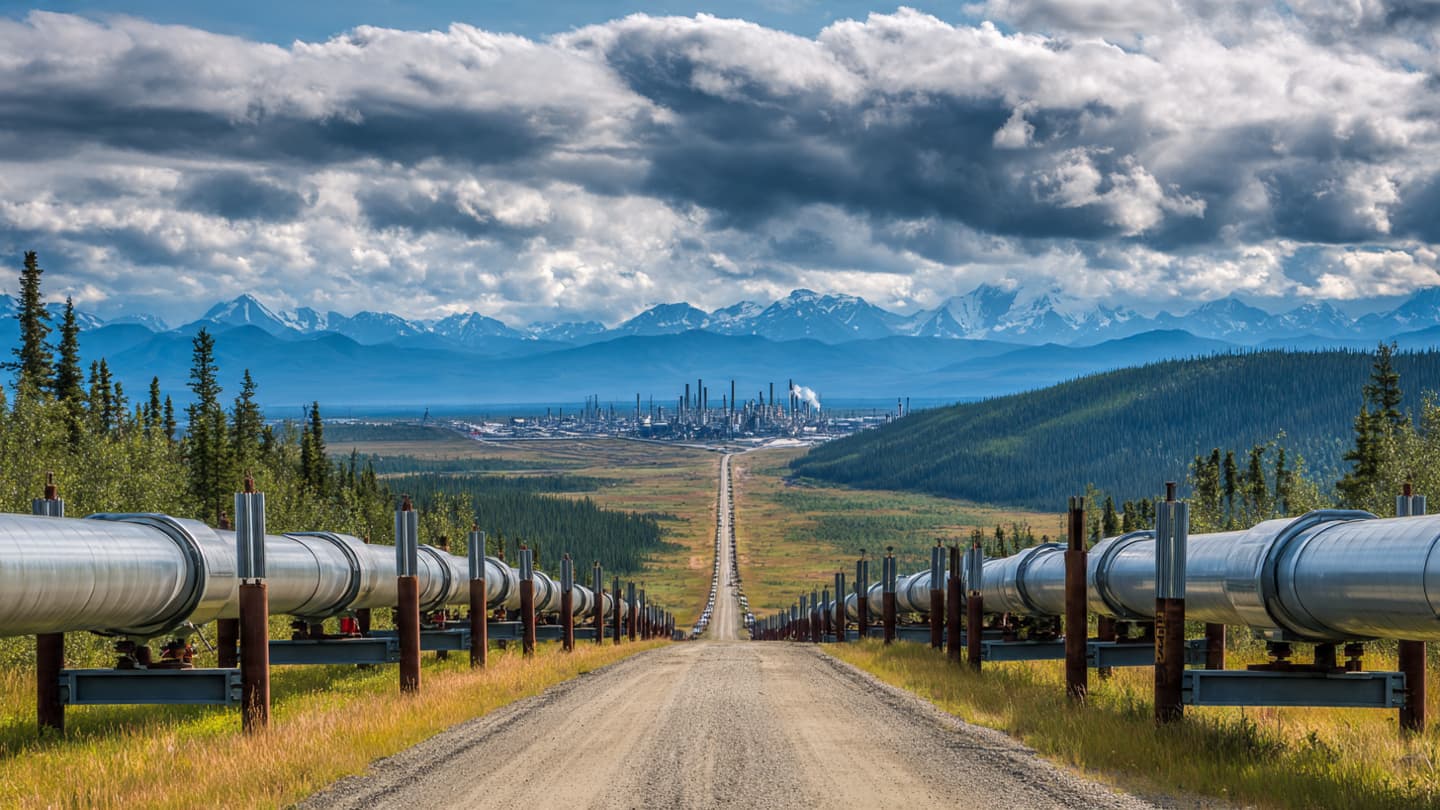
AI Image Disclaimer: Illustrative energy-sector visuals in this article may include AI-generated industrial scenes for editorial presentation.
Sources: Reuters, Bloomberg, Financial Post, CBC News
Published by Banx Network. This article is part of the Banx decentralized media programme, powered by the BXE token on the XRP Ledger.