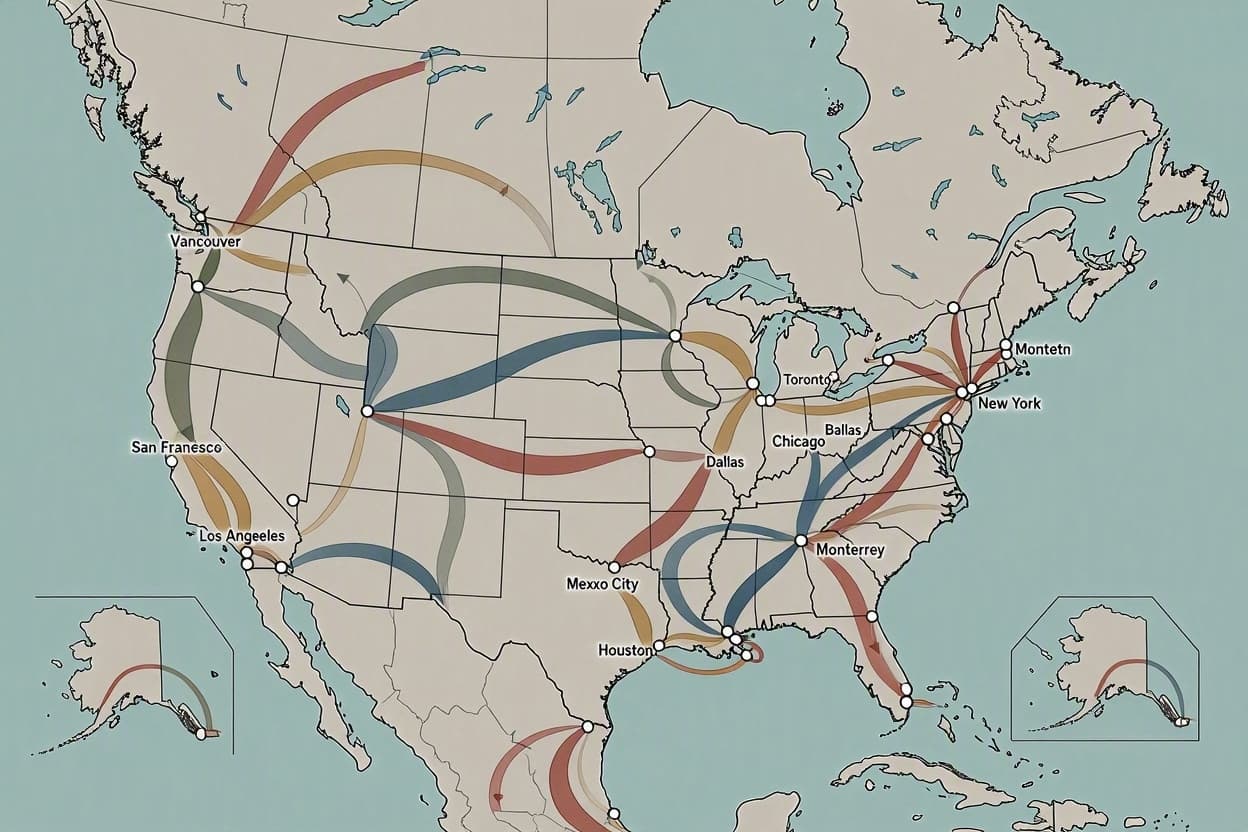
In the intricate dance of North American diplomacy, where economic interests and national identities intertwine, a new rhythm has emerged. Prime Minister Mark Carney’s recent stance on trade negotiations with the United States has done more than just stall talks; it has placed Canada squarely into the political discourse of the upcoming U.S. midterm elections. By framing the trade dispute as a matter of sovereignty and mutual respect, Carney is effectively inviting American voters to consider the cost of protectionism. It is a bold strategic move, one that seeks to turn a bilateral disagreement into a domestic political issue south of the border, challenging the narrative that tariffs are a painless tool of leverage.
The collapse of recent trade discussions, triggered by U.S. demands that Ottawa viewed as undermining its sovereignty, has led to a tit-for-tat escalation. With the U.S. imposing steep tariffs on Canadian goods, Carney has promised retaliatory measures that are precise and targeted. The goal is not merely economic retribution but political signaling. By ensuring that the economic pain of these tariffs is felt in key U.S. constituencies, the Canadian government hopes to influence voter sentiment in states where industrial and agricultural jobs are at stake. This approach transforms trade policy from a technical negotiation into a campaign issue.
For American voters, particularly in swing states, the implications are tangible. Higher prices for lumber, aluminum, and energy products may begin to appear on household bills and construction projects. Carney’s strategy relies on the assumption that when consumers feel the pinch, they will question the policies that caused it. By making the consequences of the trade war visible and immediate, Canada is betting that economic self-interest will outweigh rhetorical nationalism in the voting booth. It is a gamble on the rationality of the electorate, hoping that practical concerns will drive political choices.
This dynamic marks a shift in how Canada engages with its largest trading partner. Rather than accepting a subordinate role, Ottawa is asserting itself as an equal partner willing to defend its interests vigorously. Carney’s background in central banking and international finance lends credibility to his economic arguments, allowing him to speak the language of global markets with authority. His message is clear: cooperation yields prosperity, while confrontation brings shared hardship. This narrative resonates with business leaders and moderate voters who value stability and predictability.
The U.S. administration, meanwhile, faces the challenge of managing domestic fallout. While tariffs may appeal to a base focused on national strength, they alienate industries dependent on cross-border supply chains. As the midterms approach, politicians in affected districts may find themselves caught between loyalty to party leadership and the needs of their constituents. Canada’s actions thus serve as a catalyst, forcing a reckoning with the real-world impacts of trade policy. It is a subtle form of diplomacy, using economic leverage to shape political outcomes.
Critics argue that such tactics risk long-term relationships, potentially hardening attitudes rather than softening them. However, supporters contend that clarity is preferable to ambiguity. By drawing a firm line, Carney is establishing boundaries that define the future of the relationship. This assertiveness is seen by many Canadians as necessary, reflecting a desire for a partnership based on mutual benefit rather than unilateral dominance. It is a redefinition of neighborly relations in an era of increasing geopolitical complexity.
As the election cycle intensifies, the focus will remain on the economic indicators that matter most to voters. Jobs, prices, and growth will be the metrics by which policies are judged. Canada’s role in this equation is no longer passive; it is an active participant in the democratic process of its southern neighbor. The outcome of the midterms may well depend on how Americans weigh the costs of conflict against the benefits of cooperation.
Mark Carney’s strategy of placing Canada on the U.S. ballot is a high-stakes maneuver in modern diplomacy. By linking trade disputes to electoral consequences, he challenges American voters to consider the broader implications of protectionist policies. Whether this approach yields the desired political shift remains to be seen, but it undoubtedly ensures that Canada’s voice is heard in the halls of power south of the border.
AI Image Disclaimer: Please note that any accompanying visuals for this article are AI-generated representations intended for illustrative purposes only.
Sources: The Toronto Star The Guardian Al Jazeera The Hill Americas Quarterly
Published by Banx Network. This article is part of the Banx decentralized media programme, powered by the BXE token on the XRP Ledger.