

Key Highlights
- Canada joins the Global Combat Air Programme as the first observer nation.
- The initiative is a collaboration between Britain, Italy, and Japan.
- Canada will have access to program developments without financial commitments.
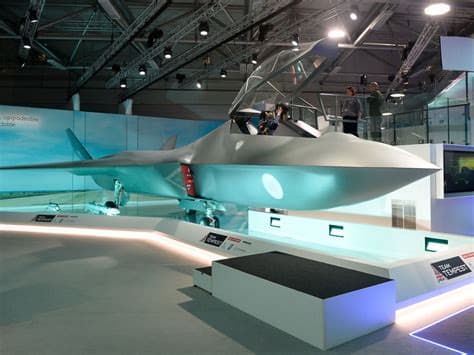
Canada has officially joined the Global Combat Air Programme (GCAP) as the first observer nation, marking a significant step in international defense collaboration. This next-generation fighter jet initiative is spearheaded by a coalition of Britain, Italy, and Japan, aiming to develop advanced stealth capabilities by 2035. The announcement was made during a meeting hosted by Britain's Defence Secretary Wes Streeting, who welcomed his counterparts from Canada, Japan, and Italy to discuss the future of the program.
As an observer nation, Canada will gain privileged access to the developments within the GCAP, including insights into capability work and opportunities for industrial collaboration. However, this involvement comes without any financial obligations, allowing Canada to participate in the program's advancements while managing its defense budget effectively. This strategic partnership is expected to enhance Canada's defense capabilities and foster closer ties with its allies in the aerospace sector.
The GCAP initiative aims to deliver a next-generation fighter jet that incorporates cutting-edge technology and stealth features, positioning the participating nations at the forefront of modern aerial combat. The program is led by key industry players, including BAE Systems from the UK, Mitsubishi Heavy Industries from Japan, and Leonardo from Italy. These companies are tasked with developing the fighter jet's design and technological framework, ensuring that the aircraft meets the evolving demands of air warfare.
The inclusion of Canada as an observer nation is seen as a pivotal move, reflecting the country's commitment to strengthening its defense partnerships and enhancing its military capabilities. This collaboration aligns with Canada's broader defense strategy, which emphasizes modernization and interoperability with allied forces. By engaging in the GCAP, Canada not only secures access to advanced military technology but also positions itself as a key player in international defense initiatives.
Looking ahead, the GCAP is set to play a crucial role in shaping the future of air defense for the participating nations. With a target date for the fighter jet's operational capability set for 2035, the program is expected to evolve rapidly, incorporating the latest advancements in aerospace technology. As Canada embarks on this new chapter in defense collaboration, the implications for its military readiness and strategic partnerships will be closely monitored by defense analysts and policymakers alike.
In conclusion, Canada's role as the first observer nation in the Global Combat Air Programme underscores its commitment to international defense collaboration and modernization. As the program progresses, the insights gained from this partnership will likely influence Canada's future defense strategies and capabilities.
Published by Banx Network. This article is part of the Banx decentralized media programme, powered by the BXE token on the XRP Ledger.




