Key Highlights
- Visa Denial:Canada will not issue visas to Russian and Belarusian athletes for the World Junior Championship.
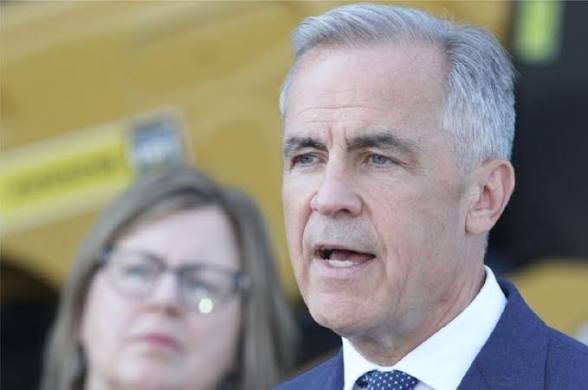
- Official Statement:Prime Minister Mark Carney confirmed that Russian players “will not be there.”
- Neutral Participation:Athletes competing as neutrals may still be allowed entry into Canada.
Canada has officially announced that it will utilize its immigration powers to prevent Russian and Belarusian athletes from entering the country to compete under their national symbols at the upcoming World Junior Championship. This decision was confirmed by Prime Minister Mark Carney, who stated unequivocally that Russian players “will not be there.” The announcement comes in the wake of a recent ruling by the Court of Arbitration for Sport, which ordered Russia's reinstatement to international competition.
Hockey Canada has expressed its support for the government's decision, emphasizing the importance of maintaining a stance against the ongoing geopolitical tensions stemming from Russia's actions. The International Ice Hockey Federation (IIHF) is currently in discussions with various national federations and tournament organizers to navigate the implications of this ruling and the broader context of international sports.
While the denial of visas applies to athletes representing Russia and Belarus, officials have indicated that there may still be a pathway for athletes who wish to compete as neutrals. This could allow some players to participate in the tournament without the representation of their national teams, a move that aims to balance competitive integrity with the realities of international relations.
The decision has sparked a range of reactions within the sports community, with some praising the move as a necessary stance against aggression, while others argue it could further isolate athletes who are not directly involved in political conflicts. The IIHF's consultations with federations will be crucial in determining how the tournament will proceed and what measures will be implemented to ensure compliance with international regulations.
As the World Junior Championship approaches, the implications of this decision will likely resonate beyond the ice, influencing discussions around sportsmanship, nationalism, and the role of international governing bodies in addressing geopolitical issues. The situation remains fluid, and stakeholders are closely monitoring developments as they unfold.
Published by Banx Network. This article is part of the Banx decentralized media programme, powered by the BXE token on the XRP Ledger.