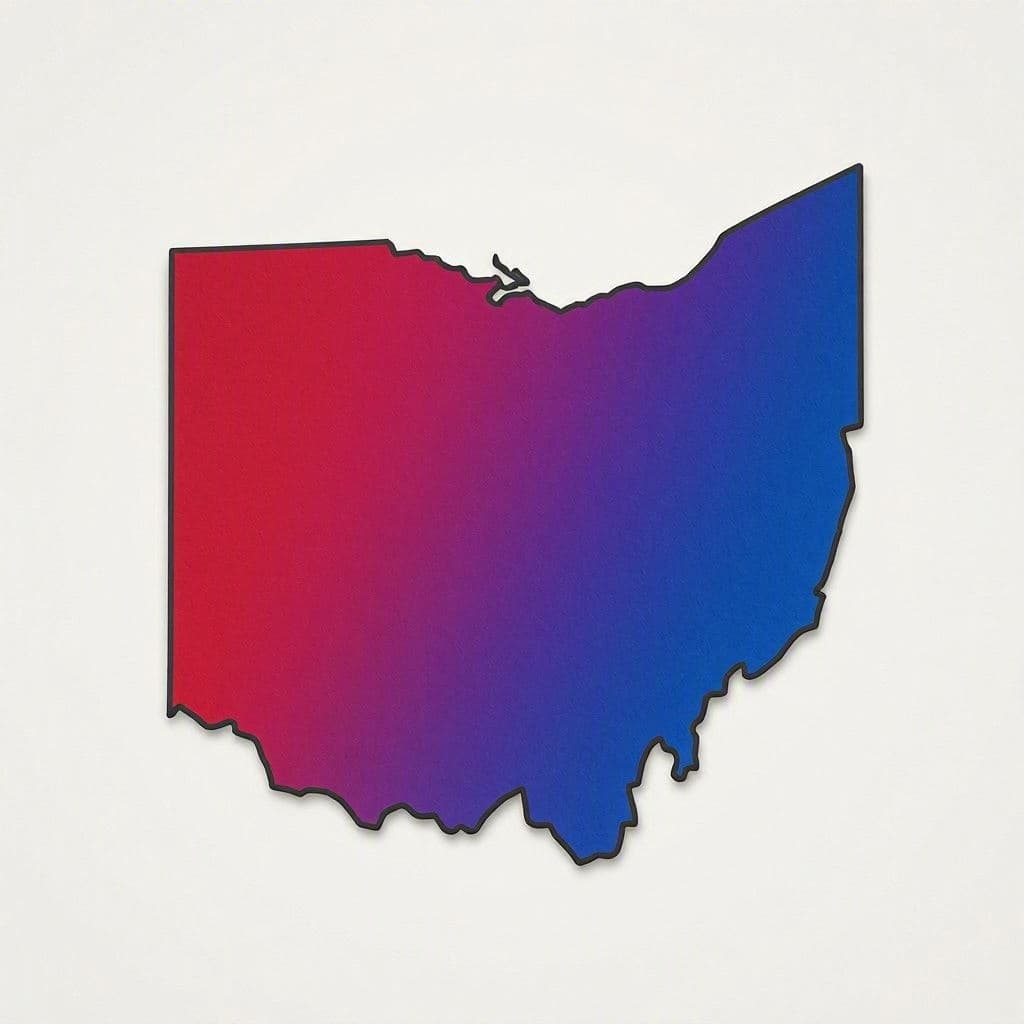
In the heart of the Midwest, where the rust belt meets the cornfields, a political awakening is stirring. Ohio, once a reliable bellwether and swing state, has drifted toward the Republican column in recent years, but signs suggest that this alignment may be shifting. Voter anger, fueled by economic uncertainty and political polarization, is creating an opening for Democrats to reclaim ground. As the 2026 midterm elections approach, the Buckeye State is once again becoming a battleground where every vote carries weight and every voice matters.
Recent polls indicate a tightening race in key Ohio contests, including the Senate seat held by Republican Jon Husted and the governor’s mansion. Former Senator Sherrod Brown’s potential successors and Democratic challengers are gaining traction, driven by a coalition of suburban moderates and working-class voters dissatisfied with the current political climate. This resurgence of competitive dynamics suggests that Ohio’s "purple" past may not be entirely buried.
The sources of voter discontent are varied, ranging from inflation and cost-of-living concerns to perceptions of democratic erosion. Many Ohioans feel that their interests have been overlooked by national parties, leading to a sense of alienation that transcends traditional partisan lines. This frustration has created an opportunity for candidates who can articulate a vision of practical governance and empathetic leadership.
Democrats are capitalizing on this mood by focusing on local issues such as healthcare access, education funding, and infrastructure repair. By grounding their campaigns in the daily realities of Ohioans, they hope to rebuild trust and demonstrate relevance. Meanwhile, Republicans are working to consolidate their base and defend their record, arguing that their policies have delivered stability and growth.
The role of independent voters will be crucial in determining the outcome. Historically, these swing voters have decided Ohio’s electoral fate, and their current ambivalence reflects a broader national trend of disengagement from extreme partisanship. Candidates who can appeal to this center, offering compromise and competence, are likely to find success in the upcoming elections.
National parties are investing heavily in Ohio, recognizing its symbolic and strategic importance. A Democratic victory in the state would signal a broader realignment in the Midwest, potentially influencing races in neighboring states like Pennsylvania and Michigan. Conversely, a Republican hold would reinforce the party’s strength in the region and validate its current strategy.
Community organizations and grassroots movements are also playing a vital role, mobilizing voters and facilitating dialogue. These local efforts are essential for translating national trends into tangible political action, ensuring that voter anger is channeled into constructive participation. The energy on the ground is palpable, suggesting a high level of engagement in the coming months.
As election day nears, the question remains whether Ohio will return to its swing state roots or solidify its red identity. The answer lies in the hands of its voters, who are increasingly demanding accountability and results. The outcome will not only shape Ohio’s future but also offer insights into the evolving nature of American politics.
Ohio’s potential return to purple status highlights the fluidity of political allegiances in an era of rapid change. As voters express their frustrations and hopes, they are reshaping the landscape of power. The 2026 midterms will serve as a critical test of whether anger can be transformed into a mandate for renewal.
AI Image Disclaimer: Visuals accompanying this article are AI-generated illustrations designed to complement the narrative and do not depict real-time events.
Sources: New York Times State News Network Britannica Center for Politics USA Facts
Published by Banx Network. This article is part of the Banx decentralized media programme, powered by the BXE token on the XRP Ledger.