In moments of technological change, nations often find themselves standing at a crossroads between possibility and responsibility. Artificial intelligence, once discussed mainly in research laboratories and technology conferences, is increasingly becoming part of strategic conversations about national security and defense.
Recent reports indicate that President Donald Trump has expressed support for accelerating the deployment of advanced artificial intelligence systems within the U.S. military. The initiative reflects broader efforts to maintain technological competitiveness as global powers invest heavily in AI capabilities.
Officials and defense planners have argued that artificial intelligence could improve decision-making, logistics, intelligence analysis, and operational efficiency. As military environments become increasingly data-driven, AI is viewed as a tool that can process vast amounts of information more rapidly than traditional systems.
The discussion arrives amid growing international competition in emerging technologies. Governments around the world have expanded investments in artificial intelligence, cybersecurity, and advanced computing, viewing them as important components of future economic and strategic strength.
Supporters of increased AI adoption within defense institutions emphasize the potential benefits of faster analysis and improved situational awareness. They argue that advanced systems may help military personnel respond more effectively to complex challenges.
At the same time, experts continue to discuss questions surrounding oversight, accountability, and ethical safeguards. The rapid evolution of AI has encouraged policymakers to consider how innovation can proceed alongside appropriate governance mechanisms.
Industry leaders, defense contractors, and research institutions are expected to play significant roles in developing and testing future systems. Collaboration between government and private-sector organizations remains a central feature of many AI initiatives.
The broader conversation reflects how technology increasingly shapes national priorities. As artificial intelligence advances, governments continue evaluating how best to integrate new capabilities while maintaining operational responsibility.
U.S. defense agencies are expected to continue assessing AI programs as part of long-term modernization efforts. Further announcements regarding implementation and investment may emerge in the months ahead.
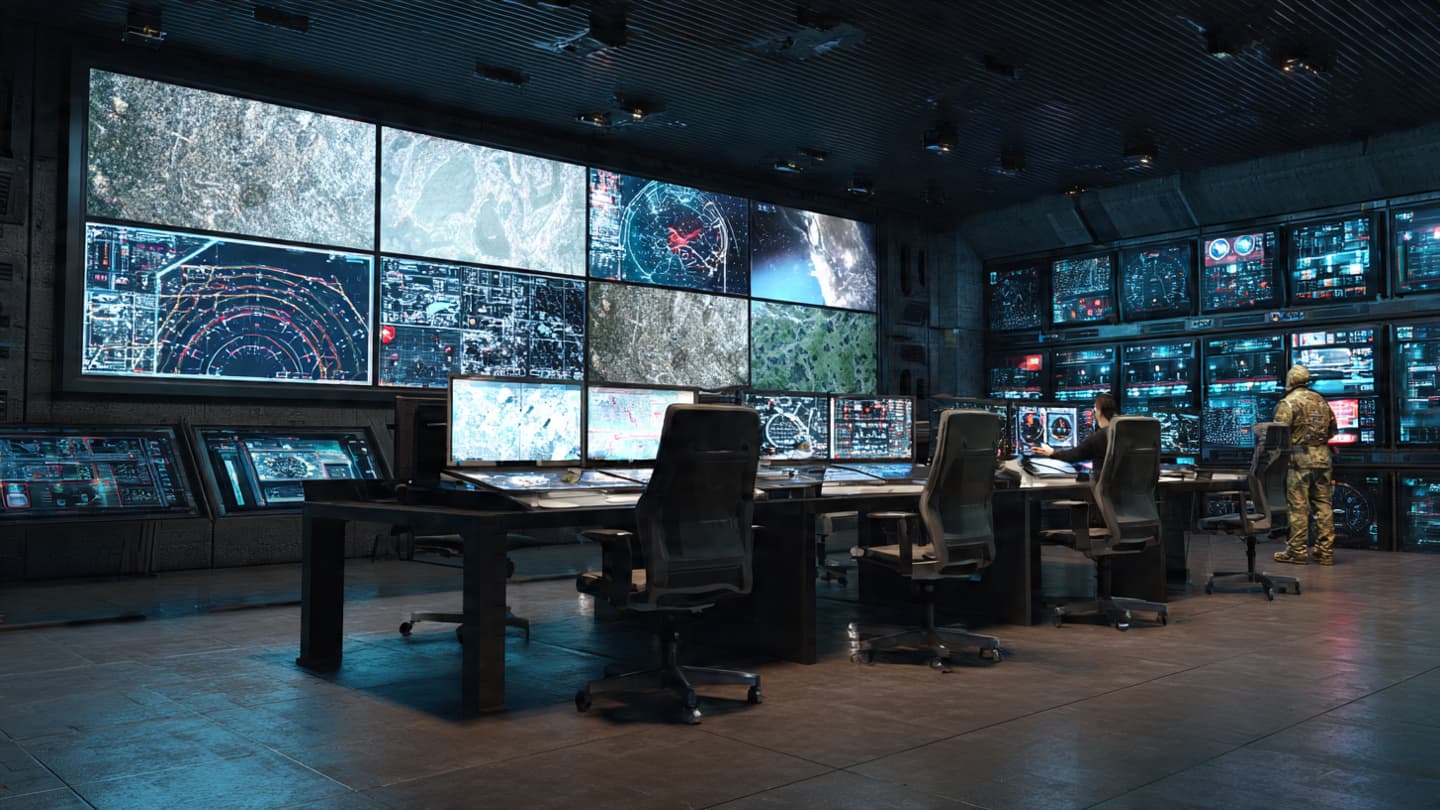
AI Image Disclaimer: This accompanying image is AI-generated and intended solely as a visual representation of the topic.
Sources: Reuters, The White House, Axios, Tom's Hardware
Published by Banx Network. This article is part of the Banx decentralized media programme, powered by the BXE token on the XRP Ledger.