
History often shows that conflicts can evolve when alliances become more visible. Relationships that once appeared distant can quickly move to the center of events when geopolitical tensions intensify.
The Houthi movement in Yemen announced missile attacks targeting Israel, describing the operation as support for Iran amid the ongoing regional confrontation. The statement marked a significant development in the broader crisis.
International media reported that Israeli defense systems were activated following the missile launches. Security agencies continued monitoring developments while evaluating potential risks.
The announcement drew attention because it linked military actions directly to regional alliances. Analysts noted that such declarations can influence both strategic calculations and diplomatic efforts.
The Houthis have previously positioned themselves as part of a broader regional network aligned with Iran. Their latest actions reinforced perceptions of growing interconnectedness among regional conflicts.
Security experts caution that the expansion of military activity across multiple fronts increases uncertainty for governments, businesses, and civilians alike.
Meanwhile, international organizations and several governments continued urging restraint. Diplomatic initiatives remained focused on reducing tensions and preventing further escalation.
As events continue to unfold, policymakers are closely watching whether regional alliances will shape future developments or create additional challenges for ongoing diplomatic efforts.
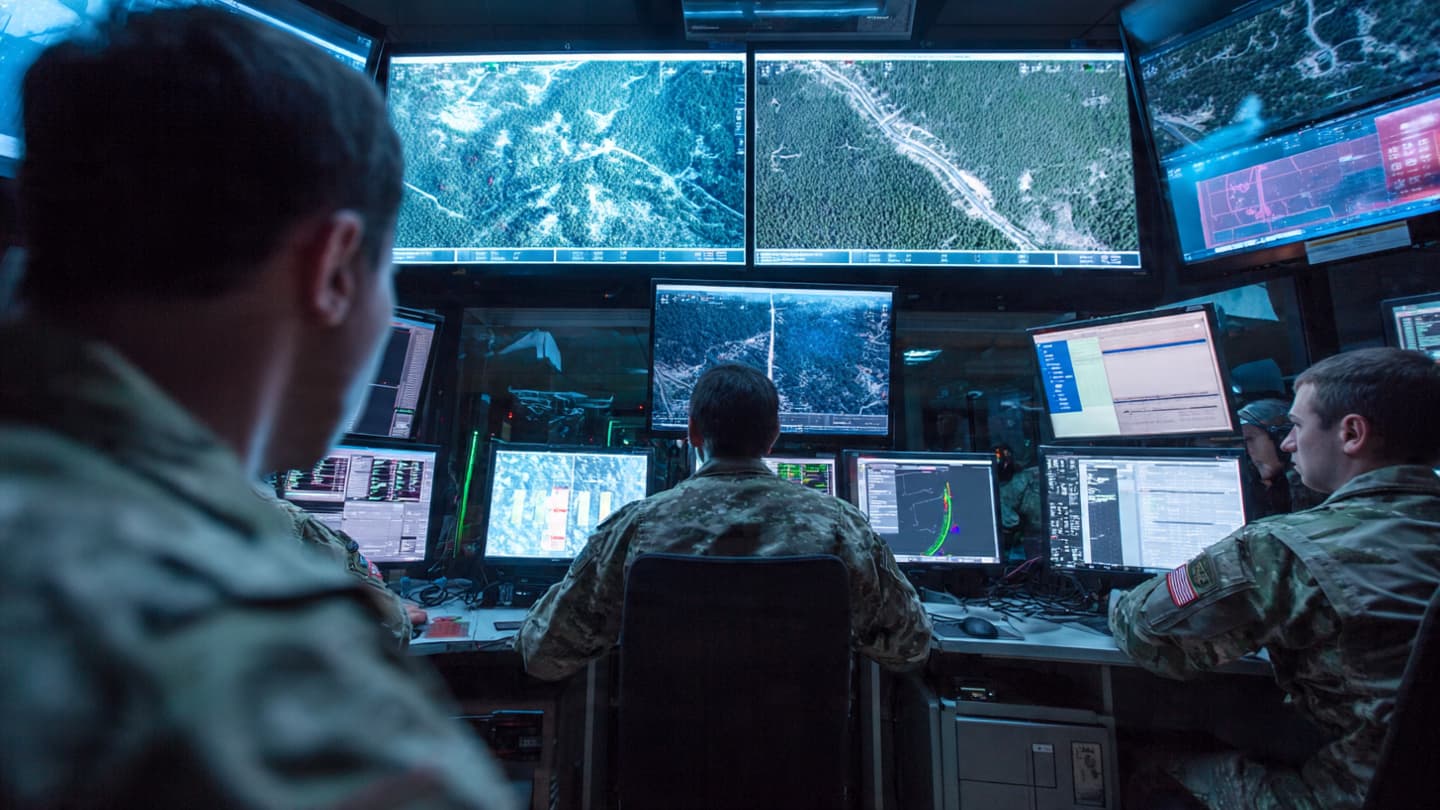
AI Image Disclaimer: The accompanying illustration is AI-generated and provided only as a visual representation of the topic.
Sources: Reuters, Euronews, Anadolu Agency
Published by Banx Network. This article is part of the Banx decentralized media programme, powered by the BXE token on the XRP Ledger.



.jpg&w=3840&q=75 "Intelligence Agencies Suspect Russia Is Developing Anti-Satellite Weapon to Target Starlink")