

Key Highlights
- U.S. and Iran officials meet in Switzerland to discuss nuclear program.
- Talks aim to address regional security and maritime tensions.
- Future discussions are planned despite unresolved major differences.
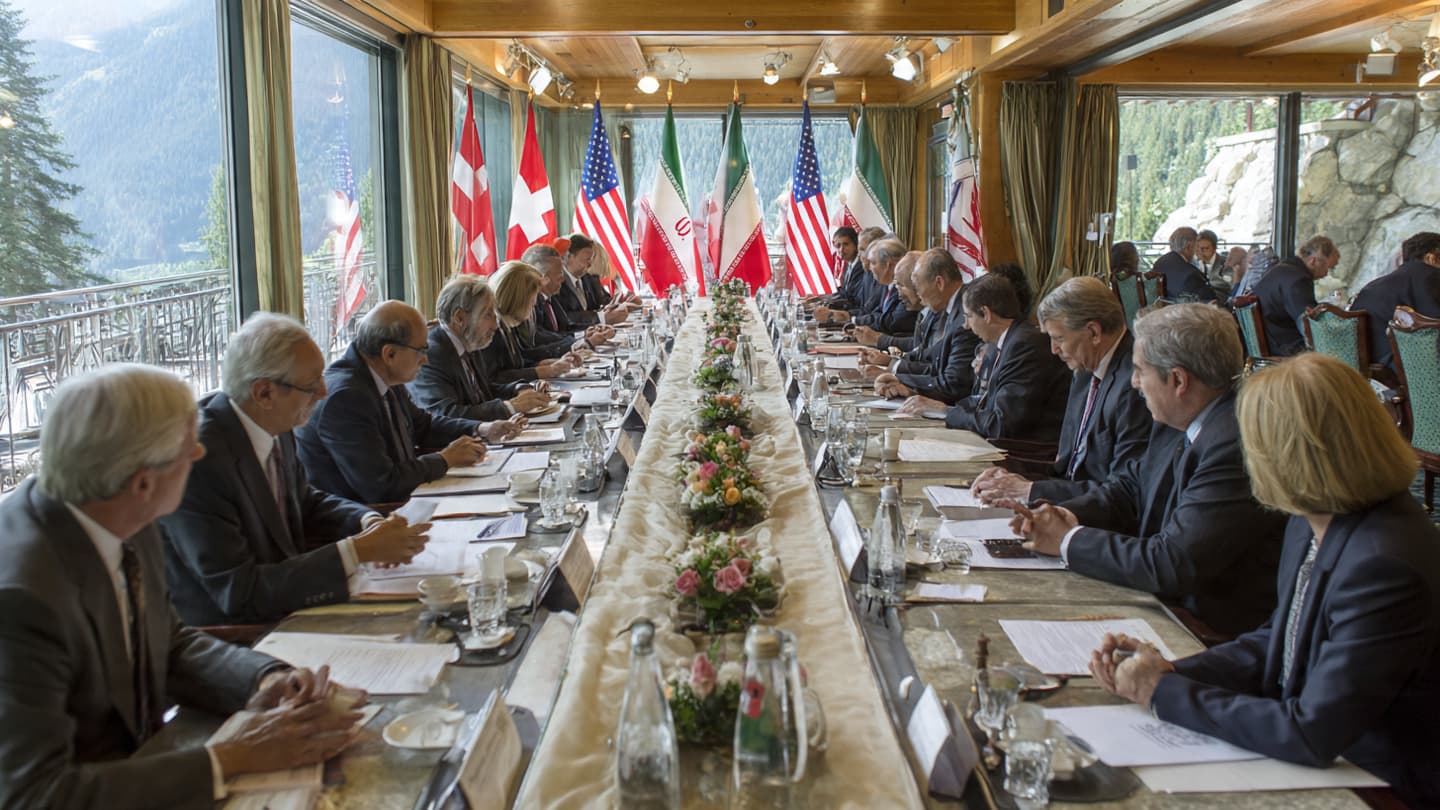
In diplomacy, progress often moves like a river beneath winter ice—quiet, slow, and sometimes difficult to see from the surface. Against a backdrop of regional uncertainty, officials from the United States and Iran have once again gathered in Switzerland, seeking to revive dialogue over Tehran's nuclear program and broader security concerns in the Middle East.
The latest round of discussions comes after months of heightened tensions across the region, particularly surrounding maritime security in and around the Strait of Hormuz. This waterway remains one of the world's most strategically significant shipping routes, carrying a substantial portion of global energy supplies. The ongoing geopolitical dynamics have made the stakes of these negotiations particularly high.
Representatives from both countries described the talks as constructive, although major differences remain unresolved. Diplomats involved in the negotiations indicated that recent meetings have helped establish a framework for future discussions rather than produce an immediate breakthrough. This cautious optimism reflects a shared understanding that while immediate results may not be forthcoming, the act of engaging in dialogue is itself a critical step forward.
Switzerland has long served as neutral ground for sensitive diplomatic engagements involving Washington and Tehran. Its role once again highlights the importance of maintaining channels of communication even when political disagreements persist. The Swiss government has facilitated these discussions, emphasizing its commitment to fostering peace and stability in the region.
Analysts note that nuclear negotiations extend beyond technical discussions about uranium enrichment. They also involve wider questions concerning regional stability, sanctions, energy markets, and international security arrangements. The complexity of these issues underscores the challenges faced by negotiators, who must navigate a landscape fraught with historical grievances and competing interests.
The renewed engagement has drawn close attention from neighboring countries, many of which have expressed hope that sustained diplomacy could reduce the risk of escalation. International organizations have similarly emphasized dialogue as the preferred path toward long-term stability. The potential for a diplomatic resolution is seen as a crucial factor in maintaining peace in a region often characterized by conflict.
Energy markets have reacted cautiously to developments. Investors continue to monitor negotiations closely, aware that any significant diplomatic progress or setback could influence oil prices and global trade patterns. The interconnectedness of global economies means that the outcomes of these talks could have far-reaching implications beyond the immediate parties involved.
While no comprehensive agreement has yet emerged, officials from both sides have suggested that additional meetings are likely in the coming weeks. Observers say maintaining diplomatic momentum may prove as important as any individual negotiating session. The ongoing dialogue serves as a reminder that even during periods of tension, diplomacy remains an essential instrument for managing complex international relationships.
For now, the talks in Switzerland represent a reminder that even during periods of tension, diplomacy remains an essential instrument for managing complex international relationships.
Published by Banx Network. This article is part of the Banx decentralized media programme, powered by the BXE token on the XRP Ledger.




