Throughout history, nations have sought ways to strengthen their independence and resilience. In the modern era, that pursuit increasingly revolves around technology. From semiconductors and artificial intelligence to cloud computing and cybersecurity, technological capabilities have become central to economic competitiveness and strategic security. France’s growing focus on technological independence reflects this evolving reality.
The concept of technological sovereignty has gained prominence across Europe. Policymakers are examining how dependence on external suppliers and platforms can create vulnerabilities, particularly during periods of geopolitical uncertainty or market disruption.
France believes that strengthening domestic capabilities can help reduce such risks. Investments in research, innovation, and industrial development are intended to support a more self-reliant technology ecosystem capable of competing globally.
Artificial intelligence remains one of the primary areas of focus. The rapid expansion of AI applications is transforming industries and creating new economic opportunities. French policymakers aim to ensure that domestic companies and research institutions play an active role in shaping this transformation.
Semiconductor production represents another strategic priority. Modern economies depend heavily on advanced chips, making secure access to these components increasingly important. Recent supply chain challenges reinforced concerns about concentration within global production networks.
Cybersecurity has also become a major consideration. As digital infrastructure grows more important, protecting systems, networks, and sensitive information has emerged as a critical element of economic resilience. Investments in cybersecurity capabilities are viewed as essential to maintaining confidence in digital systems.
The effort extends beyond government initiatives. Universities, research institutions, startups, and private companies all contribute to the broader objective of strengthening technological capacity. Collaboration among these groups is considered vital for long-term success.
Supporters argue that technological independence does not imply isolation. Rather, it involves developing sufficient domestic capabilities to participate confidently in global markets while reducing exposure to strategic vulnerabilities.
As competition for technological leadership intensifies worldwide, France continues to position innovation at the center of its economic strategy. The path toward greater independence will require sustained investment and collaboration, but policymakers believe it represents an important step toward ensuring future resilience and competitiveness.
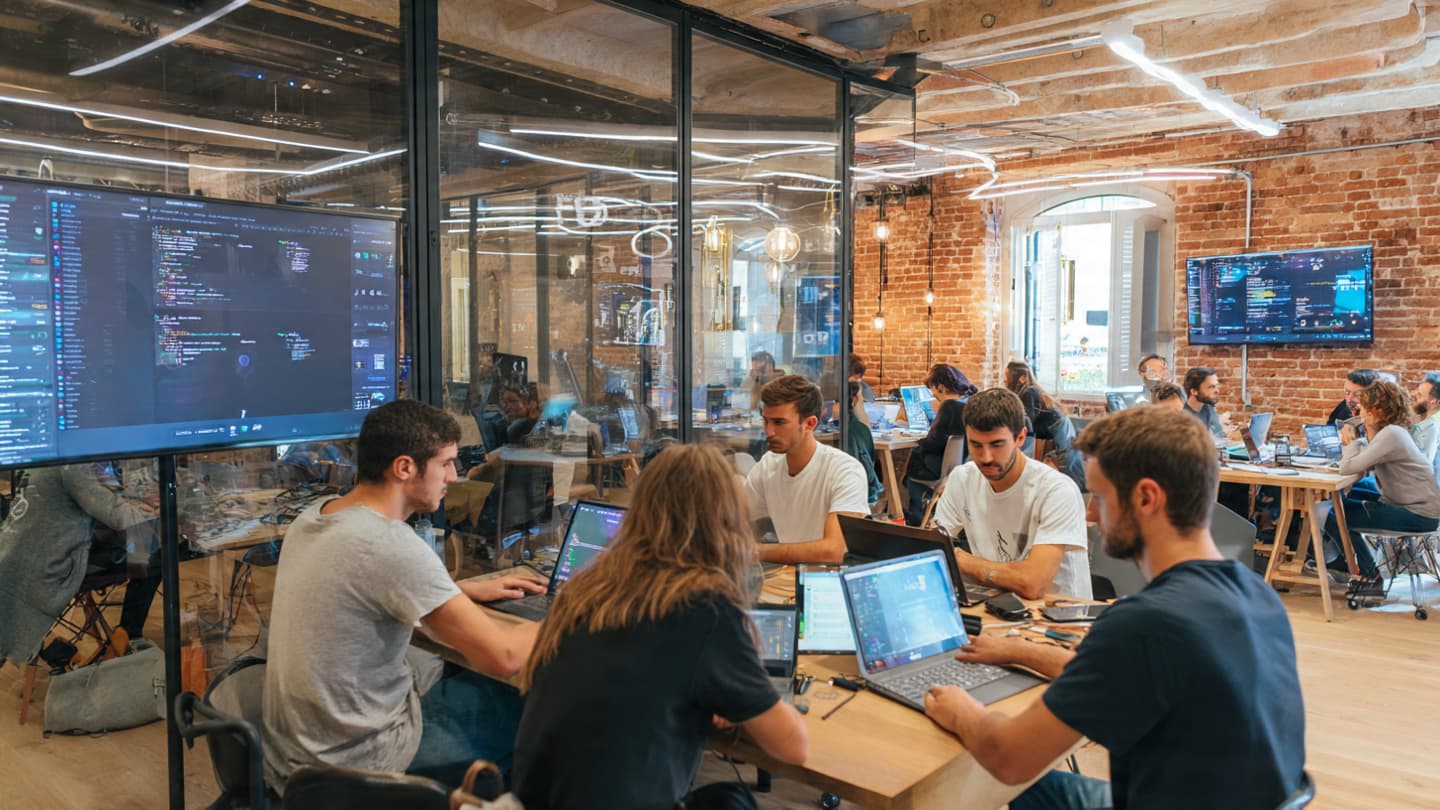
AI Image Disclaimer Illustrations were produced with AI and serve as conceptual depictions.
Source Check Credible sources identified:
Reuters Bloomberg Financial Times Les Echos CNBC
Published by Banx Network. This article is part of the Banx decentralized media programme, powered by the BXE token on the XRP Ledger.