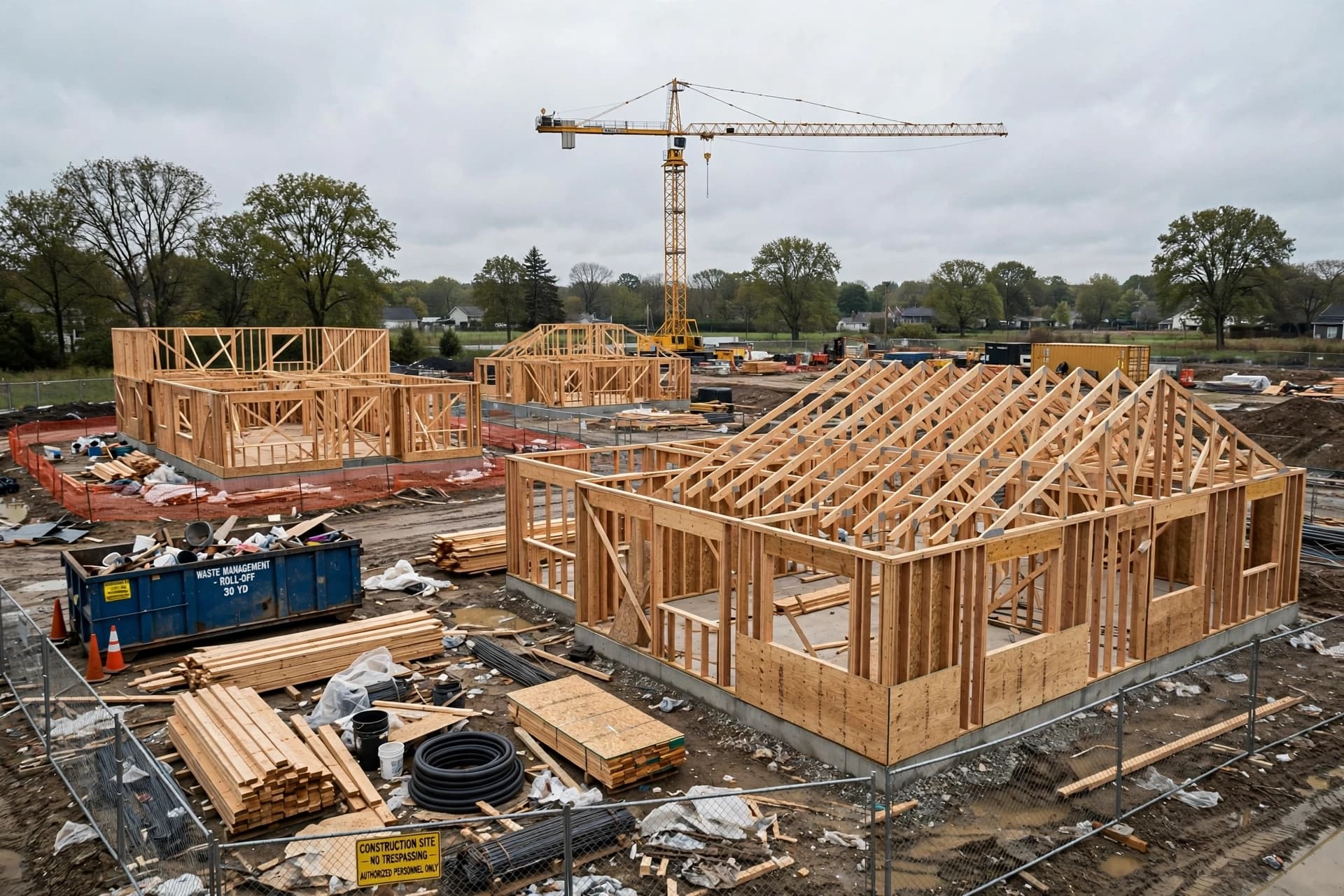
In the low light of early dawn, a quiet construction site can resemble a still life — cranes and steel bathed in gentle shadows, the promise of shelter hanging like dew on every beam. But imagine that stillness replaced with motion, that quiet moment giving way to the hum of activity so swift it feels almost dreamlike. In China, where the rhythms of urban growth have often moved with both urgency and imagination, a new chapter in housing construction seems to unfold at the pace of a heartbeat.
Over less than a single day, a 10-story residential structure rose from the ground in Changsha, assembled by a Chinese construction firm using a modular system that has been likened to fitting together large, pre-made building blocks. Rather than the incremental build-up of bricks and mortar over months or years, this approach draws on segments constructed off-site in factories and then brought together with precision cranes on location. In this instance, the structure — often described as completed in roughly 28 hours — stood assembled as the sun dipped and rose again, a testament to a method of building that blends speed with pre-planning and industrial coordination.
The technique behind this rapid assembly is rooted in modular construction, a process where most of the components — walls, floors, even fittings — are manufactured in controlled environments before being transported to the site. Once there, these elements are bolted together much like large pieces of a puzzle. Advocates of modular systems point to efficiencies of time and materials: weather delays are minimized, labor can be optimized, and much of the work takes place where conditions are predictable.
This isn’t an isolated curiosity. In 2015, a 57-story skyscraper came together in Changsha within about three weeks using similar prefabrication principles. And in early 2024, a 26-story residential tower was erected in just five days, highlighting how these methods continue to advance and scale.
Yet, as with any rapid innovation, questions — gentle and earnest — have surfaced about how such speed can translate into long-term housing solutions. Observers note that while the physical assembly can appear breathtakingly swift, the planning, manufacturing, and preparation of modular units may take far longer. And beyond technical logistics, there are broader considerations about design quality, local adaptation, and how well such projects integrate into the social fabric of communities.
In a world grappling with housing shortages and affordability challenges, the image of overnight towers can stir both wonder and reflection — a symbol of possibility and a reminder that lasting solutions often live in the space between imagination and implementation.
Officials connected with the project frame it as part of a broader push to explore new building technologies that could help address housing demands more efficiently. The focus remains on expanding supply while balancing quality, safety standards, and long-term resilience.
AI Image Disclaimer (Rotated) *Visuals are created with AI tools and are not real photographs; they serve as conceptual imagery.*
Source Check
Wikipedia (Prefabricated building) Construction Digital China Daily (reported related rapid modular construction) TrendHunter (reported rapid assembly) Medium/Write A Catalyst (context on the 28hr build)
Published by Banx Network. This article is part of the Banx decentralized media programme, powered by the BXE token on the XRP Ledger.