
Diplomacy often resembles the careful restoration of an old bridge. Each conversation adds a plank, each agreement strengthens a support beam, and every moment of uncertainty tests the structure's ability to hold. In the Middle East, where tensions have frequently challenged diplomatic progress, recent statements from Iran reflect the delicate balance surrounding regional agreements.
Iranian officials have called on the United States to ensure that Israel complies with commitments linked to ongoing diplomatic arrangements and ceasefire understandings. The request comes amid heightened international attention focused on reducing tensions and preventing further instability.
According to statements from Tehran, guarantees are viewed as an important element in preserving confidence between parties involved in the broader regional process. Iranian leaders have argued that commitments must be accompanied by practical mechanisms capable of supporting implementation.
The United States remains a central diplomatic actor in many Middle Eastern negotiations. Washington has historically played a role in facilitating communication, supporting mediation efforts, and coordinating with regional partners during periods of crisis.
Israel has consistently emphasized its security concerns while maintaining that any agreements must address threats it perceives as significant. Officials have frequently stated that long-term stability depends on both security guarantees and adherence to negotiated terms.
Regional analysts note that trust remains one of the most difficult challenges in Middle Eastern diplomacy. Decades of conflict, competing interests, and unresolved disputes have often complicated efforts to transform temporary understandings into lasting arrangements.
International organizations and foreign governments continue encouraging restraint from all parties. Many diplomatic initiatives currently underway seek to reduce the risk of renewed military escalation while creating opportunities for broader political dialogue.
Economic considerations also influence the situation. Prolonged instability can affect trade routes, energy markets, investment decisions, and humanitarian conditions across multiple countries connected to the region.
As diplomatic discussions continue, attention remains focused on how commitments are implemented in practice. The effectiveness of any agreement will ultimately depend not only on official statements but also on actions taken by those involved in the weeks and months ahead.
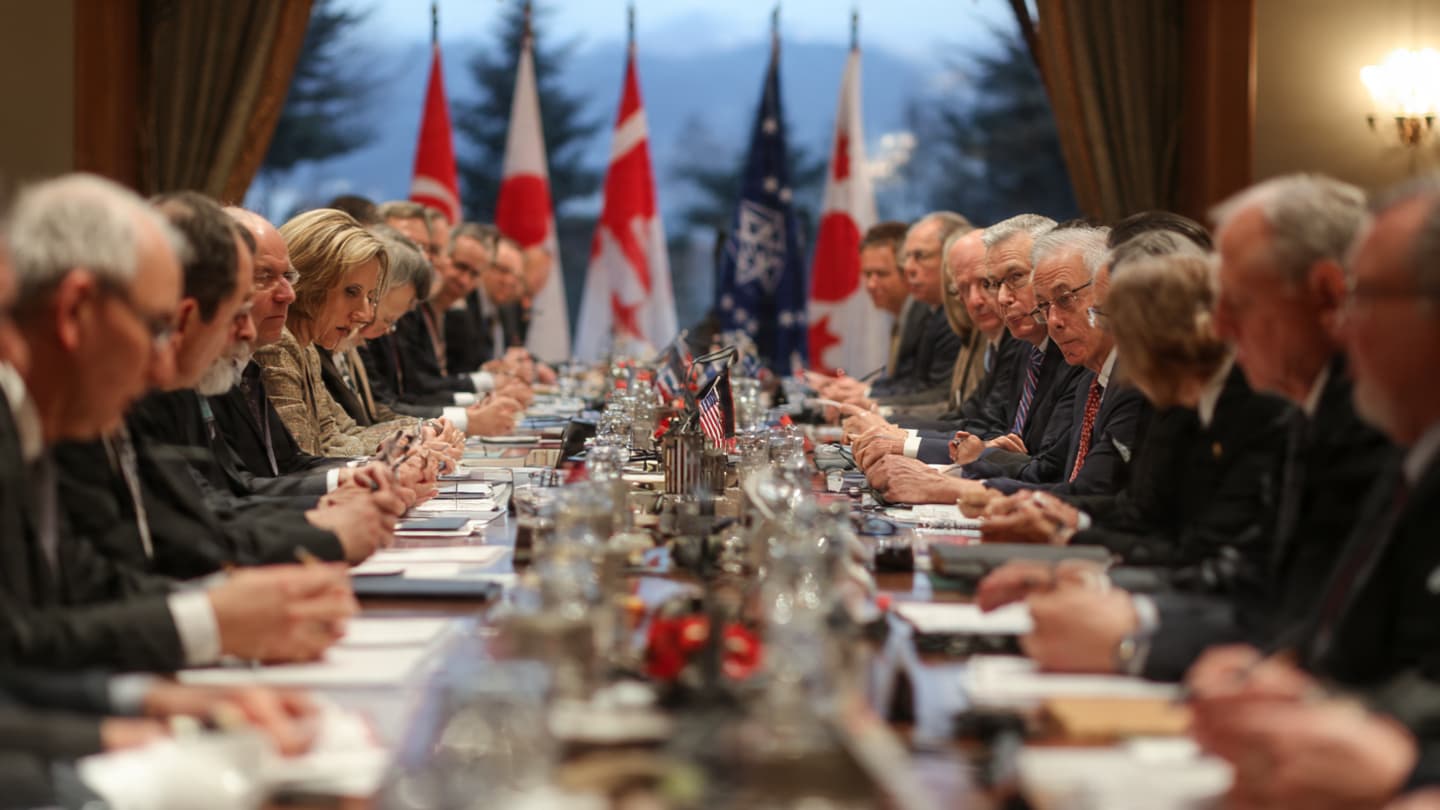
AI Image Disclaimer: The images associated with this article are AI-generated visual interpretations created for illustrative purposes and do not represent actual photographs.
Sources Verification Check Verified through:
Reuters Associated Press (AP) Al Jazeera BBC News Financial Times
Published by Banx Network. This article is part of the Banx decentralized media programme, powered by the BXE token on the XRP Ledger.


