There are times in human affairs when the stillness of dawn feels poised on the threshold of change, as though a whispered hope might unfurl into the light with the sun. In the early hours of late February, that sense of transition mingled with the impact of explosions over distant horizons, where the violence of warfare intersected with declarations of freedom. From rural backyards to bustling capital cities, observers found themselves straining to understand how a fleeting moment in time could resonate with both ancient yearning and the harsh clangor of current events.
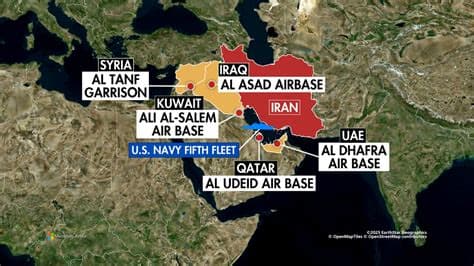
In a video address posted on social media, President Donald Trump spoke in measured yet resolute tones about what he characterized as “major combat operations” against the Islamic Republic of Iran — a campaign that he and allied partners have dubbed Operation Epic Fury. In those remarks, he described the onset of coordinated military action, encompassing strikes aimed at Iranian missile infrastructure, naval sites, and other strategic targets. The imagery his words invoked was stark and forceful, yet layered with an appeal that reached beyond battlefields toward the hearts of millions.
Amid the weight of impact projections and tactical assessments, one phrase in particular traced the arc of Trump’s remarks: “the hour of your freedom is at hand.” It was an evocative line, spoken not to soldiers but to the broader population of Iran, urging them to stay sheltered as operations unfolded and to “take over” their own government once the military campaign concluded. For some listeners, this passage carried hope; for others, it prompted deep reflection on what liberty can mean in the midst of conflict.
The underlying narrative echoed with the complexity of modern international engagement. Trump framed the operations not merely as a defensive act but as part of a broader effort to neutralize what his administration described as “imminent threats” stemming from prolonged hostility, missile development, and nuclear ambitions. There were reminders of decades of friction and contested diplomacy woven into each sentence of his address, underscoring how intertwined historical memory and current policy can be.
For many outside the region, the juxtaposition of lofty notions like freedom with stark talk of destruction and regime change provoked questions about the nature of such appeals when voiced amid the roar of military engagement. What does it mean for liberty to be named when the thunder of ordnance fills the skies? Can the promise of a new beginning be disentangled from the human costs of present conflict, or are they forever linked in the lived experiences of those most affected? These contemplations hovered quietly even as the world watched the unfolding events with a mixture of concern and curiosity.
In the calm that often follows a period of reflection, it is also crucial to record the facts as they now stand: President Trump announced a joint U.S.–Israeli military campaign against Iran, stating that the operations aim to protect American security interests and eliminate potential threats. He described the objective as encompassing defense against missile capabilities and broader destabilizing activities, and called on members of Iran’s armed forces to lay down their arms with assurances of immunity — or face severe consequences. The situation remains highly fluid, with reactions from global leaders and regional governments continuing to unfold
AI Image Disclaimer “Visuals are created with AI tools and are not real photographs, intended only for concept.”
Sources AP News Reuters AFP The Washington Post The Jerusalem Post
نُشر بواسطة Banx Network. هذا المقال جزء من برنامج الوسائط اللامركزية من Banx، مدعومًا برمز BXE على شبكة XRP Ledger.