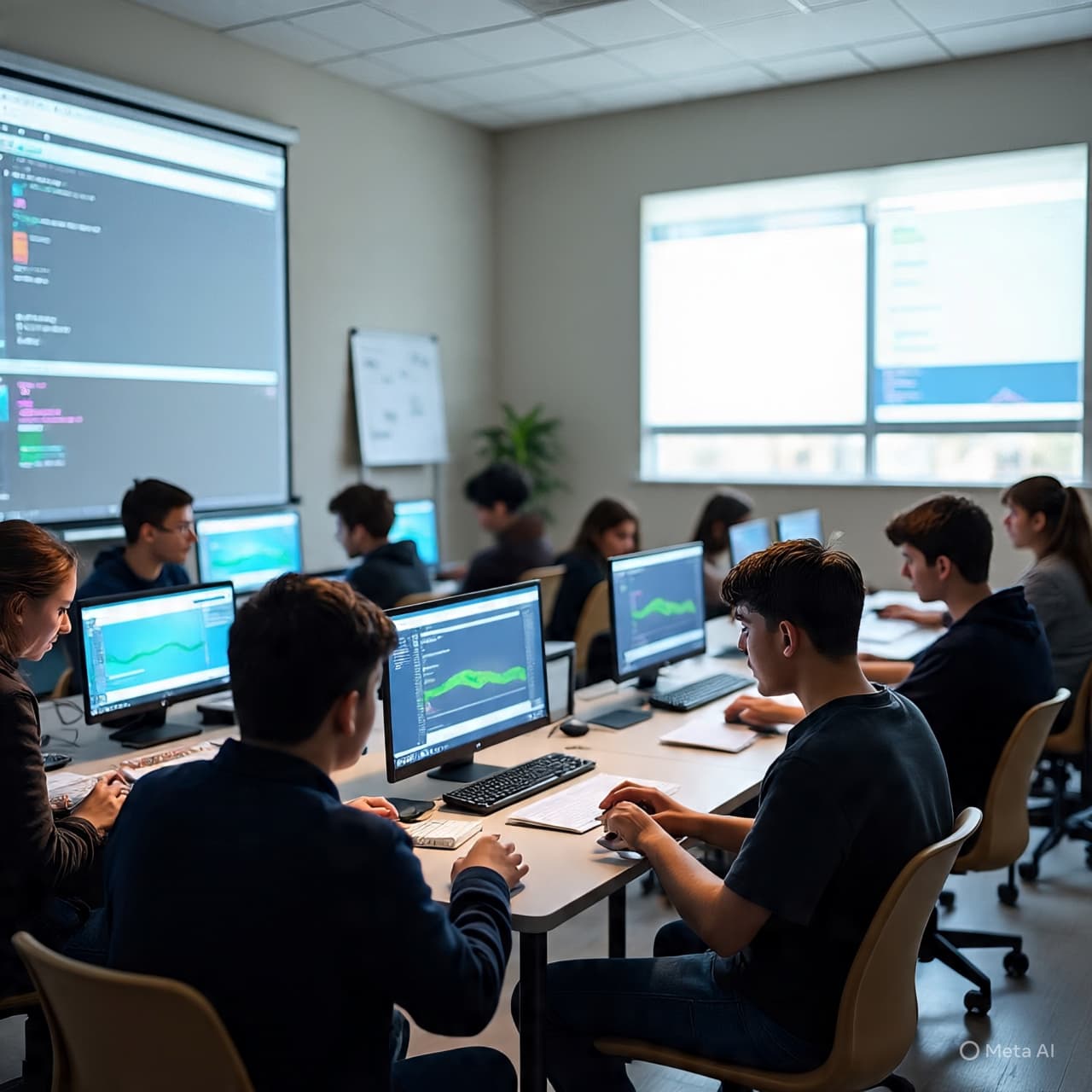
There are seasons in life when ambitions feel like sparks caught between fingers — fleeting, warm, and full of promise. For many young creators and thinkers, video games are such sparks: worlds of light and sound that inspire them long before they understand how to shape them. To study game development through a diploma program can feel like stepping into that realm of fireflies, gently learning not just how games play but how they are born, piece by purposeful piece. A Game Development Diploma opens this path. It is both a workshop and a workshop of the mind — a place where paintbrush meets code, where imagination glides into systems, and where stories are woven into interactive experiences. Across programs offered globally, students engage in core skills including game design fundamentals, programming, and visual storytelling, building a foundation to transform creative ideas into interactive realities.
In Australia, one such diploma introduces learners to the heart of game design and development, from 2D asset creation to basic game programming and design principles. Students are taught how to wield industry-standard tools and collaborate with peers, fostering both the technical know-how and the creative confidence needed to begin working in the games world or continue into further study. Across Malaysia, a three-year game development diploma guides students through a broad spectrum of topics: problem solving and programming fundamentals, 3D animation and artificial intelligence, and game production. These modules entwine theory and hands-on practice, aiming to nurture versatile practitioners ready for roles such as junior game programmer, character artist, and level designer.
Elsewhere, programs like those at ACM Guildford or Singapore Polytechnic frame their curricula around collaborative projects, playtesting sessions, and workshops where students not only learn the technical language of code but also the artful language of gameplay, narrative, and design thinking. Across varied institutions, the emphasis is on learning by building — crafting playable prototypes, solving design puzzles, and presenting work in portfolios that speak to both creativity and competence.
What makes a diploma in game development especially resonant is how it blends creative expression with logical structure. It acknowledges that games are not just products of code but expressions of human curiosity and storytelling. Students in these programs may learn Unity or Unreal game engines, scripting languages like C# or C++, and the principles of user experience along with level design. They discuss play mechanics beside physics fundamentals, whispering stories into algorithms that will later awaken on screens.
For many, the diploma also serves as a bridge — a supportive entry point offering both practical skills and pathways to bachelor’s degrees in game design or interactive media. It respects the dual nature of game creation: grounded in craft, yet buoyed by imagination. Through structured assignments and team projects, young developers learn not only how to build games, but how to collaborate — a reminder that even solitary play begins and ends with shared joy.
In educational terms, a Game Development Diploma is an accredited credential that typically spans one to three years and equips students with entry-level competencies for careers in a vibrant and evolving industry. Graduates can pursue roles such as game designer, junior programmer, technical artist, or animator, and many find that this foundational qualification opens doors to more advanced studies or studio opportunities.
AI Image Disclaimer “Illustrations were produced with AI and serve as conceptual depictions.”
Sources Torrens University Australia overview of a Diploma of Game Design & Development. UNIMY Malaysia’s Diploma in Game Development program details. ACM Guildford Games Development Diploma description. MAGES Institute Diploma in Game Design & Technology curriculum. Singapore Polytechnic Diploma in Games Design and Development summary.
Published by Banx Network. This article is part of the Banx decentralized media programme, powered by the BXE token on the XRP Ledger.