

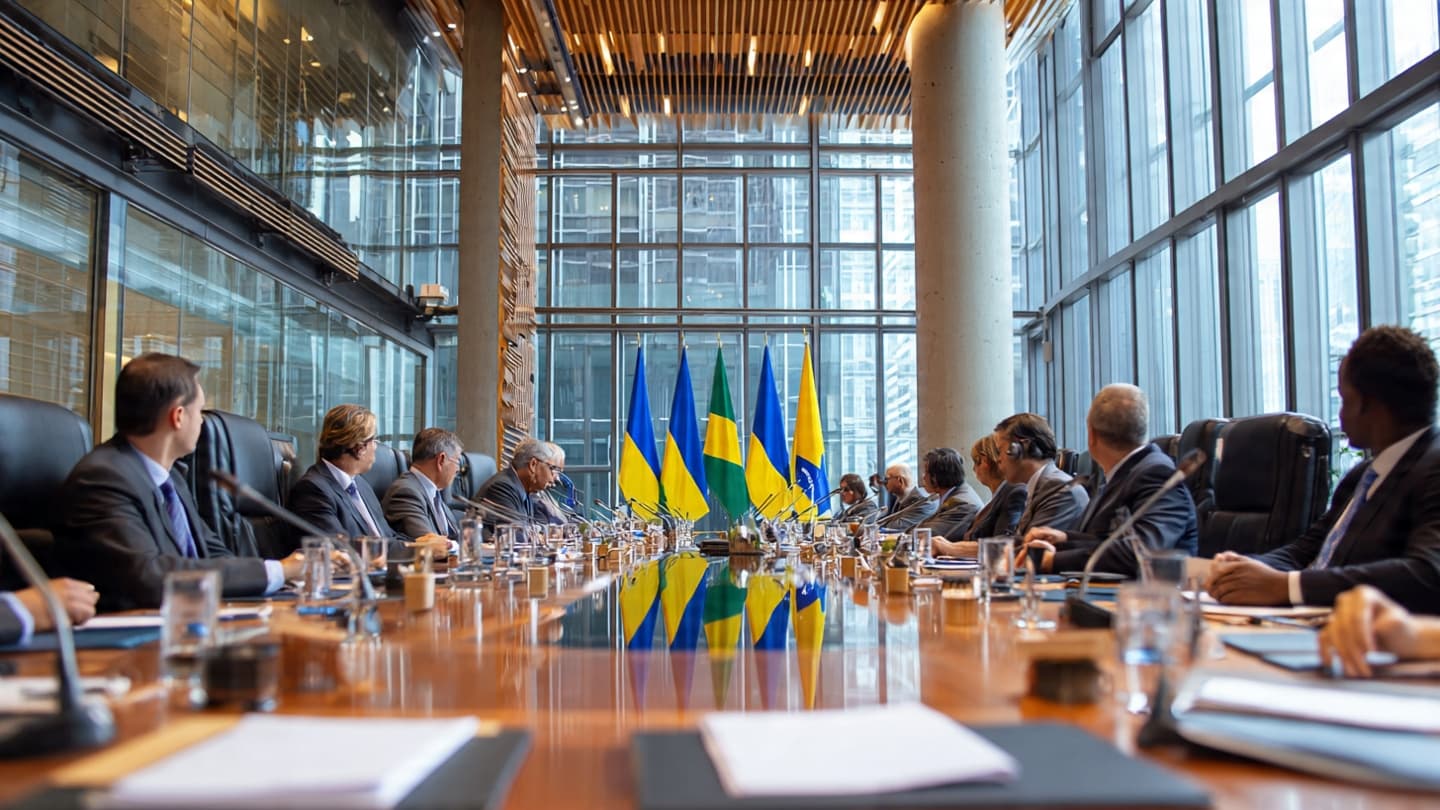
Key Highlights
- Brazil proposes a diplomatic initiative to support peace efforts in Ukraine.
- Ukrainian officials show willingness to engage with Brazil's proposal.
- The conflict has significant global implications, affecting food and energy markets.
Brazil's recent proposal to support peace efforts in Ukraine underscores the growing influence of emerging global powers in international diplomacy. As the conflict continues to escalate, Brazil's initiative offers a potential pathway for dialogue, aiming to reduce the human and economic toll of war. This development is particularly significant as many nations seek innovative solutions to address the ongoing crisis.
Ukrainian officials have expressed a willingness to consider Brazil's diplomatic overture, reflecting a broader trend where countries outside the immediate conflict zone are stepping up to facilitate discussions. This shift highlights the importance of diverse voices in international diplomacy, especially as traditional power dynamics evolve.
Since the onset of the Ukraine conflict, various governments and international organizations have been actively exploring avenues for negotiation. While military actions often dominate media coverage, diplomatic efforts are quietly taking place through a series of conferences, consultations, and informal discussions aimed at fostering peace.
Brazil has strategically positioned itself as a key player in global mediation efforts. By engaging with a range of international partners, the country aims to contribute to discussions that seek to alleviate tensions and promote peaceful resolutions. This approach not only enhances Brazil's diplomatic profile but also emphasizes the value of multilateral engagement in addressing complex global issues.
Supporters of diplomatic engagement argue that involving multiple stakeholders can create additional opportunities for dialogue. Countries that maintain relationships with various parties may find themselves in a unique position to facilitate communication when direct negotiations become challenging. This perspective is particularly relevant in the context of the Ukraine conflict, where entrenched positions can hinder progress.
The ramifications of the conflict extend far beyond Ukraine, impacting global food supplies, energy markets, and economic planning across continents. As such, many nations view peace efforts as not merely a regional concern but a pressing international priority. The interconnectedness of today's world means that stability in one region can have far-reaching effects on global security and economic health.
Analysts caution that achieving meaningful progress in peace negotiations often requires patience and persistence. The complexities involved—ranging from security concerns and territorial disputes to political commitments and humanitarian issues—demand careful navigation. However, new diplomatic proposals like Brazil's can inject momentum into stalled discussions, providing opportunities for stakeholders to reassess their positions and explore common ground.
While the acceptance of Brazil's offer does not guarantee a breakthrough, it signifies that diplomatic channels remain open. In a conflict that continues to shape global affairs, every effort to foster dialogue contributes to the ongoing quest for stability and peace. As nations grapple with the consequences of the Ukraine conflict, Brazil's initiative may serve as a crucial step toward a more collaborative approach to international diplomacy.
Published by Banx Network. This article is part of the Banx decentralized media programme, powered by the BXE token on the XRP Ledger.




