In the gentle tumble of autumn leaves, there’s a subtle reminder that even things we take for granted can shift with changing seasons. The U.S. dollar — a steadfast anchor in the world’s financial seas for decades — has found itself in such a season of change, slipping to its weakest point in nearly four years. For many investors and markets alike, this descent has evoked a quiet pause — a moment to reflect on how intertwined confidence and currency really are.
The Bloomberg Dollar Spot Index recently slid toward the lowest levels seen since March 2022, extending a multiday decline that reflects a broader unease in global markets. The dollar’s retreat comes amid a swirl of factors: talk of coordinated moves to support foreign currencies such as the Japanese yen, persistent doubts about Washington policymaking, and longer‑term concerns over fiscal credibility and political cohesion in the United States. These elements have stitched together an experience of uncertainty that has rippled through currency markets from Tokyo to London.
There is a subtle poetry in this moment of transition: a reserve currency, long so dominant that its strength felt almost inevitable, appears to be negotiating its own path through shifting global winds. Investors, always attuned to both drift and direction, are weighing a suite of risks that extend beyond traditional economic indicators. Discussions about a possible change in leadership at the Federal Reserve, debates around fiscal policy, and even geopolitical flashes have all helped to temper the glow of U.S. assets in the eyes of global capital.
Across markets, other currencies have responded in kind. The euro and sterling have touched multi‑year highs against the dollar, buoyed by improving economic signals and relative stability in some European economies. In Asia, the yen’s strength has been spurred by a mixture of domestic policy and international speculation about coordinated currency support. In these movements, there’s a broader narrative of rebalancing — a reminder that currency values are not only shaped by absolute performance but by comparative confidence between nations and markets.
For those who watch the dance of foreign exchange, the fluctuations in gold prices tell a complementary story. As the dollar has weakened, precious metals — often sought as havens in uncertain times — have surged, signaling that some investors are seeking alternative anchors amid shifting economic tides. These reactions are not just financial data points; they are collective expressions of how communities of market participants perceive risk and refuge.
Yet beneath all the numbers and charts lies a simpler human theme: trust. For much of the post‑war era, the dollar has been not just a currency but a symbol of stability — the linchpin of global trade and reserves. When its value weakens, it doesn’t just adjust portfolios; it invites reflection on how global economic leadership changes over time. In soft conversations among investors, analysts speak of “structural drags” on the dollar — from fiscal deficits to political polarization — as forces that have gradually reshaped perceptions.
It’s important to appreciate that even in moments of ebb, foundational realities remain. The dollar still underpins a vast share of global trade finance and foreign exchange reserves, and investors’ longer‑term commitments to U.S. assets are far from extinguished. Yet the current climate of unpredictability has underscored the interconnectedness of economic policy, political discourse and international confidence.
In straightforward market terms, the latest data shows the dollar’s recent slide has triggered stronger relative performance in other currencies, elevated precious metals, and ongoing debates about monetary and fiscal policy in the United States. Looking forward, analysts will be watching both domestic policy developments and broader global economic conditions to gauge whether this phase of dollar weakness is a temporary ebb or part of a longer turning tide.
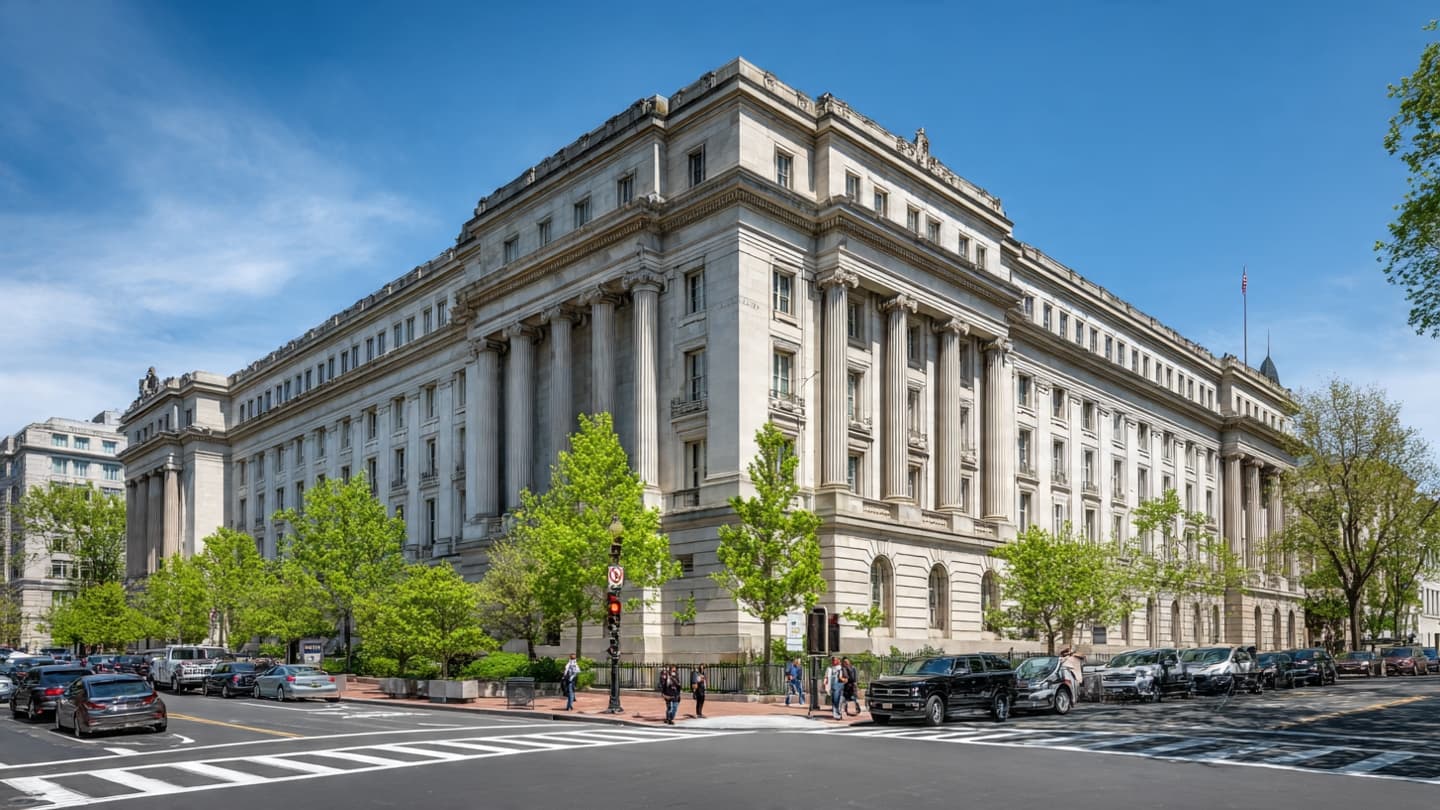
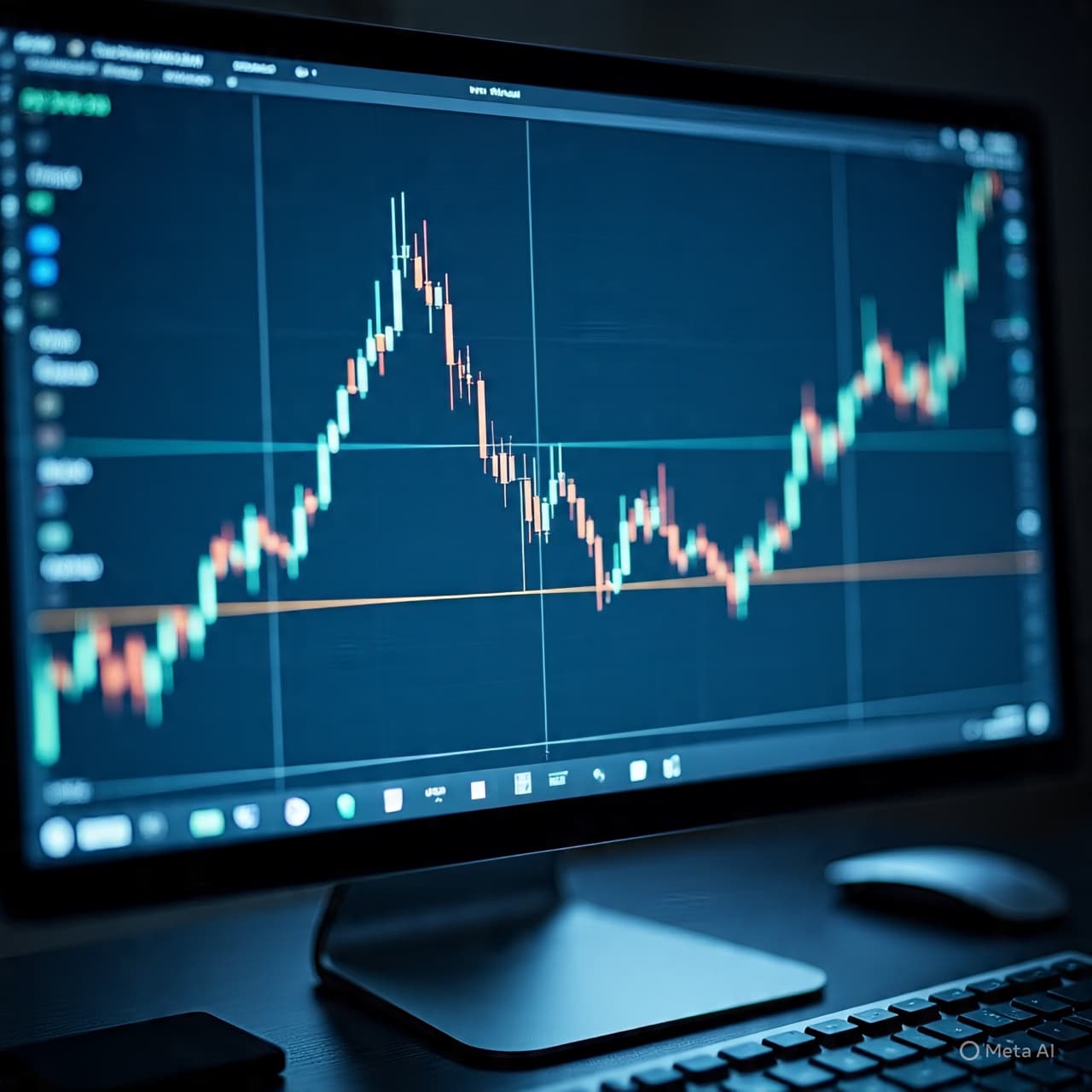
AI Image Disclaimer “Illustrations were produced with AI and serve as conceptual depictions.”
Source Check Credible mainstream/niche sources reporting this story include:
• Financial Times
• Bloomberg via Yahoo Finance
• Reuters (background commentary)
• Investment Week market analysis
• Economies.com currency news
Published by Banx Network. This article is part of the Banx decentralized media programme, powered by the BXE token on the XRP Ledger.