Opening: As ocean temperatures continue to rise, scientists are increasingly focused on how coral reefs—among the most fragile marine ecosystems—can endure intensifying marine heatwaves. New research highlights that the future survival of corals may depend not just on protection efforts, but on careful selection of traits that enhance resilience to thermal stress.
Body: Coral bleaching, a process triggered when corals expel the symbiotic algae that provide them with energy, has become more frequent and severe due to global warming. Marine heatwaves, once rare, are now occurring with greater intensity, placing reefs under sustained stress. Scientists studying coral adaptation emphasize that certain biological traits—such as heat tolerance, growth rate, and recovery capacity—play a crucial role in determining how well corals can survive these events.
Recent studies suggest that conservation strategies must move beyond traditional protection and incorporate targeted interventions. This includes identifying and cultivating coral species or genotypes that naturally exhibit stronger resistance to heat stress. Efforts such as selective breeding, assisted gene flow, and coral gardening are being explored to enhance reef resilience. However, researchers caution that these approaches must be implemented strategically to maintain ecological balance and genetic diversity.
Field experiments and long-term monitoring programs have shown that not all corals respond equally to rising temperatures. Some species demonstrate remarkable adaptability, while others decline rapidly. Understanding these differences allows scientists to prioritize which corals to propagate and restore in vulnerable reef systems. At the same time, broader environmental measures—such as reducing carbon emissions and improving water quality—remain essential to support these targeted interventions.
Closing: The path to preserving coral reefs appears to lie at the intersection of science and stewardship, where careful selection and informed action shape resilience. As oceans continue to warm, the decisions made today will influence whether coral ecosystems persist as vibrant habitats or fade into memory.
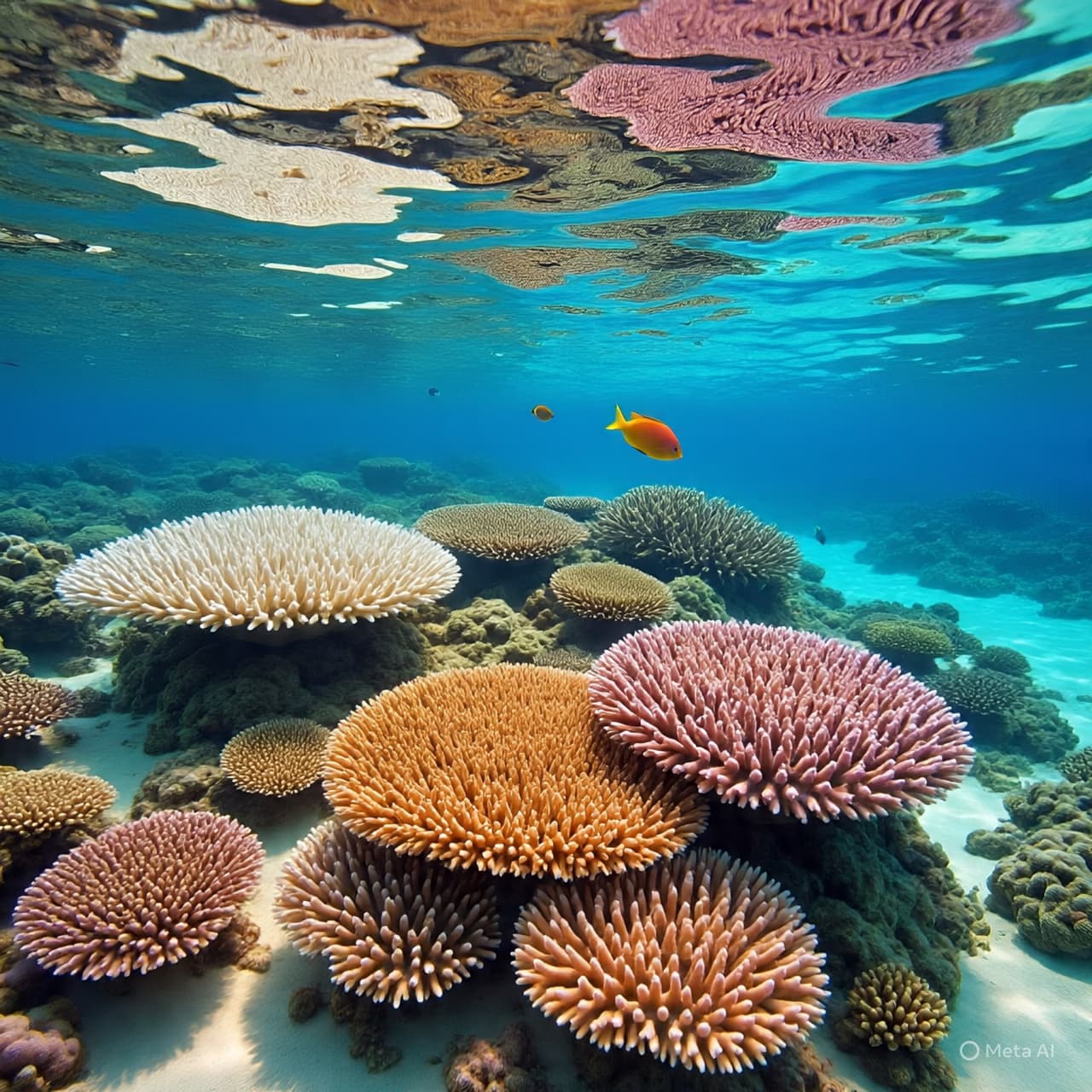
AI Image Disclaimer: Images in this article are generated using artificial intelligence for illustrative purposes.
Sources: Reuters BBC NOAA (National Oceanic and Atmospheric Administration) Peer-reviewed marine biology journals
Published by Banx Network. This article is part of the Banx decentralized media programme, powered by the BXE token on the XRP Ledger.