
Key Highlights
- Ocean Coverage:The ocean covers over two-thirds of the Earth's surface, yet remains largely unexplored.
- Monitoring Technologies:Researchers in France are developing advanced ocean monitoring technologies.
- Biodiversity Focus:Understanding marine biodiversity is crucial for effective conservation efforts.
[Advancements in Ocean Monitoring]
The ocean, which covers more than two-thirds of the Earth’s surface, is a vast and largely unexplored frontier. Beneath its waves lies a world of immense ecological importance, supporting biodiversity, regulating climate systems, and sustaining communities globally. In recent years, researchers in France have been at the forefront of advancing ocean monitoring technologies aimed at enhancing scientific understanding and bolstering marine conservation efforts.
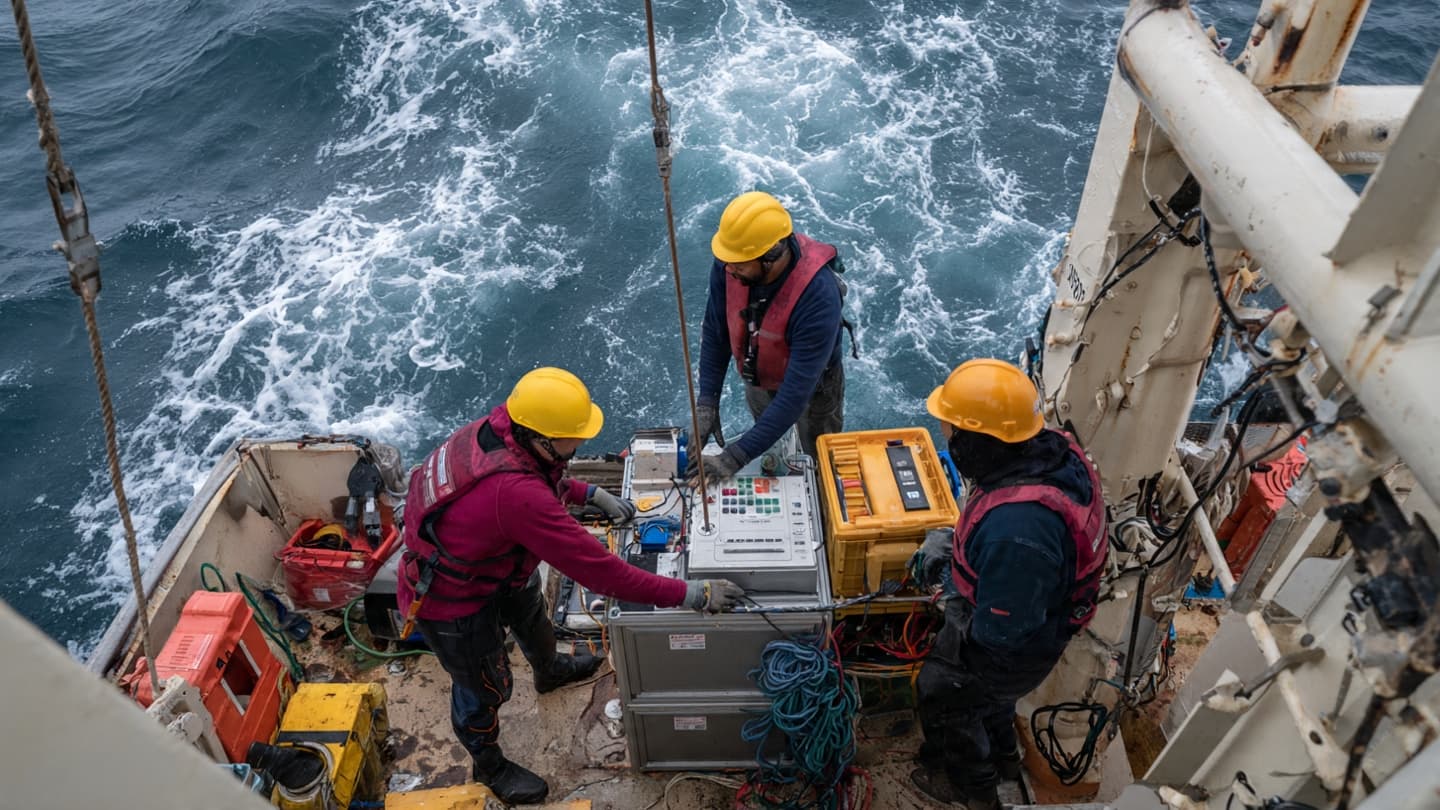
Ocean monitoring encompasses the collection of data regarding environmental conditions, marine species, and ecosystem dynamics. Scientists utilize a combination of instruments, satellites, underwater sensors, autonomous vehicles, and research vessels to gather information from diverse marine environments. This multifaceted approach allows for a comprehensive understanding of the ocean's complex systems.
Accurate data collection is vital for understanding environmental changes affecting marine ecosystems. Factors such as ocean temperatures, currents, salinity levels, and biological activity all play a significant role in determining ecosystem health. Continuous monitoring enables researchers to identify trends, assess risks, and refine predictive models, which are essential for effective conservation strategies.
A major focus of current research is marine biodiversity. Scientists are striving to understand how various species interact with their environments and how ecological systems respond to changing conditions. Advanced monitoring technologies provide valuable insights that were previously difficult to obtain, allowing for a more nuanced understanding of marine life.
Autonomous underwater vehicles (AUVs) have emerged as crucial tools in this research. These robotic systems can navigate through remote marine areas, collecting measurements and imagery over extended periods. Their capabilities significantly enhance scientific observation while minimizing operational limitations, making them indispensable in oceanographic studies.
Complementing ocean-based instruments, satellite technologies offer large-scale perspectives on environmental conditions. By integrating multiple sources of information, researchers can construct comprehensive pictures of marine ecosystems and track their evolution over time. This integration is vital for understanding the broader implications of environmental changes on marine life.
The benefits of improved monitoring extend to conservation planning. Accurate data supports informed decisions regarding protected areas, fisheries management, habitat restoration, and environmental protection initiatives. Scientific evidence empowers policymakers and conservation organizations to allocate resources effectively, ensuring that conservation efforts are both targeted and impactful.
International collaboration is essential in ocean research, as marine systems often cross national boundaries. Cooperation among institutions and countries fosters shared data and joint research efforts, strengthening the collective understanding of global ocean processes. This collaborative approach is crucial for addressing the challenges posed by the scale and complexity of marine environments.
Despite the advancements, challenges remain due to the vast distances, extreme conditions, and technological requirements inherent in marine research. Researchers must continually overcome these obstacles to expand scientific knowledge. The ongoing work in French laboratories and research institutions reflects humanity’s broader relationship with the ocean. Protecting marine ecosystems begins with understanding them. Through innovation and scientific exploration, researchers are illuminating the hidden dynamics of the seas, ensuring that future decisions are grounded in deeper knowledge and greater awareness.
Published by Banx Network. This article is part of the Banx decentralized media programme, powered by the BXE token on the XRP Ledger.



